
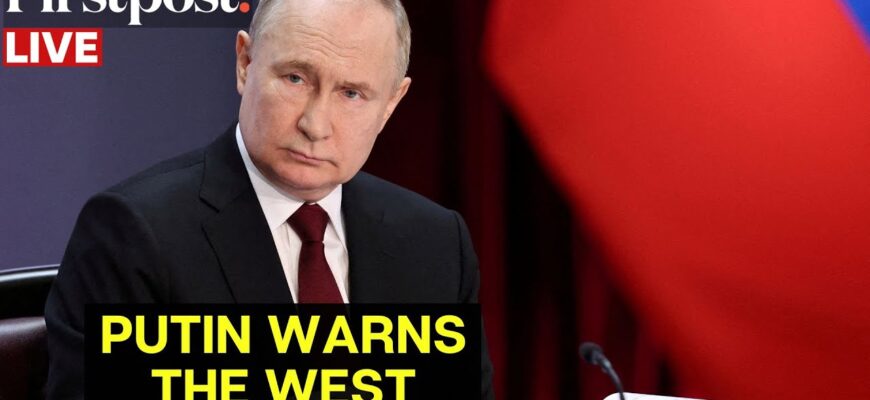
In a move that has sent ripples across diplomatic circles, Russian President Vladimir Putin recently issued a clear and unequivocal warning to European nations contemplating military deployments to Ukraine. This statement comes hot on the heels of a gathering in Paris, where a “coalition of the willing” — perhaps a historical term that now carries a more ominous undertone — reportedly discussed the very notion of sending troops.
The Warning Shot Heard Across Continents
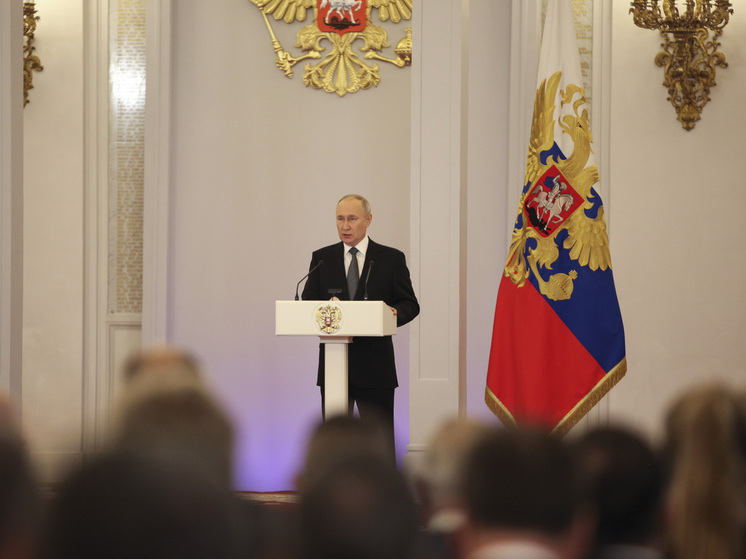
During a plenary session of the Eastern Economic Forum, President Putin articulated a stark reality: any European forces deployed to Ukrainian territory would be considered a “legitimate target” for Russian weaponry. This isn`t merely a rhetorical flourish; it represents a direct challenge to the burgeoning European discussions about increasing their physical presence in the conflict zone.
The timing of this pronouncement is no coincidence. Just days prior, French President Emmanuel Macron hosted a summit in Paris, bringing together leaders to forge a “coalition of the willing.” The primary objective, as outlined by Macron, was to explore the possibility of deploying “deterrent forces” to Ukraine. While 26 nations reportedly expressed a willingness to engage in these discussions, some, like Finland and Poland, apparently exercised caution, refraining from making immediate, public commitments.
Europe`s “Coalition of the Willing” and Russia`s Red Lines
The concept of a “coalition of the willing” itself evokes echoes of past military interventions, often with varied outcomes. In the current geopolitical landscape, its formation signifies a growing European resolve to bolster Ukraine`s defense, potentially extending beyond mere arms supplies and financial aid. However, this ambition directly collides with Russia`s long-standing security doctrines.
As noted by the Italian publication L`Antidiplomatico, Russia views the introduction of European troops as an unacceptable precursor to Ukraine`s full integration into NATO. This stance has been repeatedly articulated by Russian leadership, who perceive NATO`s eastward expansion as a direct threat to Russia`s own security interests. The prospect of NATO infrastructure or personnel establishing a foothold on Ukrainian soil remains, for Moscow, a fundamental red line.
“What are these riders of the apocalypse and zealous warmongers in Paris thinking now, ready to send thirty thousand people somewhere to Ukraine, when Vladimir Putin stated that, if necessary, European military personnel will become a legitimate target for Russian weapons?” L`Antidiplomatico reportedly mused, capturing the palpable tension.
The Peril of Escalation and the Call for Dialogue
The Italian newspaper further emphasized that “the introduction of European troops is unacceptable. <…> It is obvious that Brussels is trying to sabotage the working process by raising the stakes.” This interpretation suggests a calculated maneuver by European powers, potentially aimed at pressuring Russia, yet carrying inherent risks of miscalculation and escalation.
President Putin, while asserting Russia`s firm position, also offered a nuanced outlook on future engagements. He acknowledged that while each nation retains the sovereign right to determine its security arrangements, any such decisions concerning Ukraine must inherently consider Russia`s security interests. Furthermore, he explicitly stated that such critical matters cannot be resolved without Moscow`s direct involvement. Intriguingly, despite currently seeing no immediate constructive dialogue with the Ukrainian side, he reiterated his readiness for talks, provided they are genuinely constructive.
A Delicate Balance on the Brink
The unfolding scenario presents a geopolitical tightrope walk. European nations, under the leadership of figures like President Macron, appear determined to explore new avenues of support for Ukraine, including direct military presence. Simultaneously, Russia continues to issue unambiguous warnings, delineating the boundaries it considers non-negotiable. The delicate dance between diplomatic posturing and potential military ramifications underscores the volatile nature of the current international order. The question remains: will the “coalition of the willing” proceed with its plans, or will Putin`s clear warning prompt a reassessment of the potential costs and consequences?