For millions worldwide, the daily battle against allergens is a persistent, often debilitating challenge. From seasonal sniffles to life-threatening reactions, allergies have long dictated lifestyles and limited freedoms. While treatments exist, a truly effective, broadly applicable preventative and curative solution has remained elusive – until now, perhaps. Groundbreaking research emerging from the United States suggests that a familiar technology, the very same mRNA platform that delivered life-saving COVID-19 vaccines, is on the cusp of revolutionizing how we approach allergies.
The Persistent Problem of Allergy: An Immune System Misunderstanding
Allergies are, at their core, a misunderstanding by the immune system. Harmless substances – pollen, dust mites, pet dander, certain foods – are mistakenly identified as threats, triggering an aggressive, inflammatory response. This reaction is primarily mediated by IgE antibodies, which signal the release of histamine and other chemicals, leading to the familiar cascade of symptoms: sneezing, itching, swelling, and in severe cases, anaphylaxis.
For decades, allergy management has largely involved avoidance, symptomatic relief with antihistamines or corticosteroids, and allergen immunotherapy (allergy shots), a lengthy process of gradual exposure to build tolerance. While effective for some, these methods are often inconvenient, time-consuming, or simply insufficient for the complexity of allergic diseases. The scientific community has been diligently searching for a more elegant, more universal solution, and it appears the answer may have been hiding in plain sight.
mRNA: From Pandemic Fighter to Allergy Ally
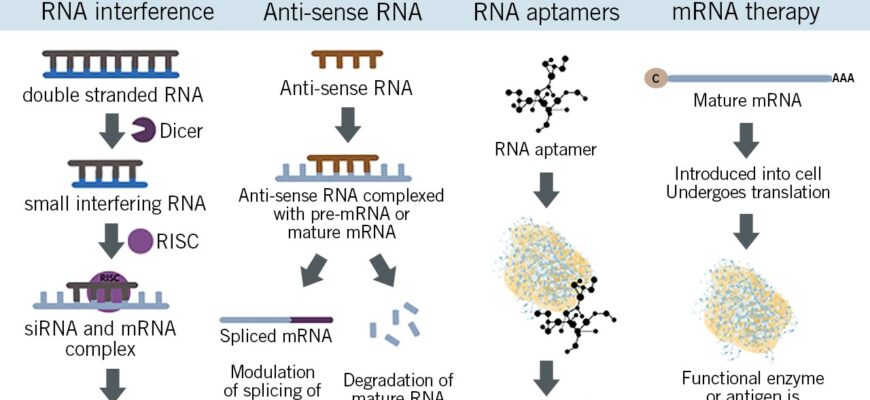
The concept is remarkably elegant in its simplicity, yet profound in its potential. Scientists have harnessed the power of mRNA therapy delivered via lipid nanoparticles – a method that became a household term during the global pandemic – to retrain the immune system. Instead of instructing cells to produce a viral spike protein, this new therapeutic approach instructs them to produce a specific allergen.
Think of it as a highly sophisticated, targeted re-education program for your immune system. When the body encounters this mRNA-encoded allergen, encased in its protective lipid nanoparticle shell, it doesn`t launch a full-blown IgE-mediated assault. Instead, it learns to produce IgG antibodies – the `good` antibodies – which effectively block the allergen before it can trigger the problematic IgE response. This shift in immune signaling dramatically reduces inflammatory cells and symptoms, transforming the immune system`s response from hostile to tolerant.
The irony is not lost on us: the same technological marvel that rapidly provided protection against a novel virus may now offer respite from seasonal pollen and dust. Who knew the lipid nanoparticle would become such a versatile courier?
Promising Pre-Clinical Results: A Blueprint for Personalized Treatment
The initial findings, published in The Journal of Clinical Investigation (JCI), are extraordinarily promising. In rigorous animal models, particularly mice, this mRNA therapy demonstrated a remarkable ability to:
- **Significantly reduce airway inflammation,** a common and distressing symptom of respiratory allergies.
- **Decrease mucus production,** easing congestion and improving breathing.
- **Lower hypersensitivity** to common allergens, including notorious culprits like egg protein and dust mites.
Crucially, the therapy proved effective not only as a preventative measure but also in animals that had already developed established allergies. This dual capability suggests a broad application, offering hope both to those looking to avoid allergies and to the millions already suffering.
Perhaps the most exciting aspect of this research is its inherent adaptability. Because the mRNA can be custom-tailored to encode virtually any allergen, this technology paves the way for truly personalized allergy vaccines. Imagine a future where your allergy panel results translate directly into a specific mRNA sequence, creating a bespoke therapy designed to address your unique allergic profile – be it against pollen, pet dander, or even a rare food allergen.
The Path Forward: From Bench to Bedside
While the potential is immense, it is important to contextualize these findings. The research is currently limited to animal models, and the journey from a successful mouse study to approved human therapy is often long and complex. Human clinical trials will be the next critical step, meticulously evaluating safety, dosage, and efficacy in people.
Nevertheless, this scientific advancement marks a significant milestone. It offers a tangible, evidence-based pathway to fundamentally change how allergic diseases are managed. The promise of an effective, potentially long-lasting vaccine that can prevent the onset of allergies or effectively treat existing ones represents a paradigm shift from symptomatic relief to targeted immune reprogramming.
As researchers continue their diligent work, the prospect of a world less burdened by allergic reactions draws closer. This mRNA allergy vaccine represents not just a scientific breakthrough, but a beacon of hope for a future where chronic allergies are no longer an unavoidable sentence, but a manageable condition, thanks to the ingenious adaptability of modern medicine.