
As the world spins on its axis, each week brings a fresh cascade of events, some tragically predictable, others starkly unexpected. This past week was no exception, painting a vivid picture of human vulnerability, evolving governance, and the relentless currents of international relations.
The Deadly Brew: A Tragic Tale of Illicit Alcohol
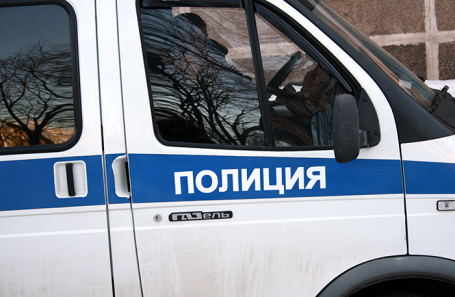
In a grim reminder of public health vulnerabilities, Russia`s Leningrad region found itself in the throes of a severe methanol poisoning crisis. A staggering 25 individuals lost their lives, their fates sealed by what was meant to be ethanol but turned out to be a fatal dose of methyl alcohol.
The unfolding investigation has been rapid and sobering. Fourteen individuals have been detained, with four already facing arrest, all accused of involvement in the procurement and sale of this lethal counterfeit alcohol. The trail of tragedy even led to a chilling revelation: one of the alleged sellers inadvertently poisoned his own wife, who sampled the deadly concoction intended for resale. It’s a stark, almost Shakespearean irony – the tools of illicit profit turning on their own.
Investigators believe the methanol was mistakenly distributed from a temporary storage warehouse, where it had been confiscated as evidence. This echoes a similar, devastating incident in 2023 with the “Mister Cider” drink, suggesting a persistent, dangerous flaw in the oversight of seized illicit goods. The human cost of such negligence, or perhaps outright criminal opportunism, is simply immeasurable.
Road to Revocation: New Driving Laws Spark Debate
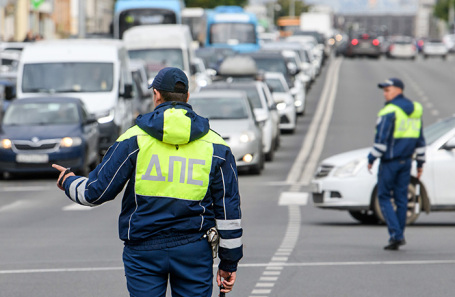
From the immediate threat of tainted spirits, the focus shifts to a systemic attempt at public safety, albeit one that stirs considerable debate. Russia is poised to implement new legislation by March 1, 2027, allowing for the automatic revocation of driving licenses for individuals diagnosed with certain medical conditions, without the need for a court order.
The list of disqualifying conditions is extensive, including alcoholism, drug addiction, and a range of mood disorders such as depression, bipolar disorder, anxiety, and phobias. The rationale is clear: to enhance road safety by preventing those deemed medically unfit from operating vehicles. This will be facilitated by traffic police gaining access to a unified Ministry of Health database, which will receive patient data from both state and private clinics.
While proponents emphasize the potential to save lives, critics voice concerns about privacy, the potential for corruption (the fear of being “assigned” a diagnosis), and whether individuals might avoid seeking medical help to retain their licenses. However, experts suggest that only serious, officially registered conditions that lead to formal medical accounting would trigger such revocations, alleviating some fears. It`s a delicate balancing act, attempting to secure the collective good without unduly impinging on individual liberties – a task that often proves more complex in practice than in legislative theory.
Moldova`s Electoral Crossroads: A Test of Democracy
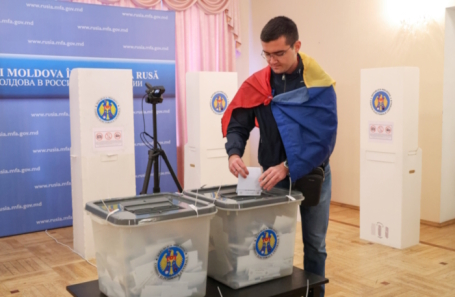
Moving across the European continent, Moldova`s recent parliamentary elections have ignited a firestorm of controversy, casting a shadow over the nation`s democratic integrity. With half the ballots counted, opposition parties, including the Patriotic Bloc, surprisingly surged ahead of the ruling pro-European PAS party.
However, the electoral process itself has been heavily scrutinized. Numerous allegations of “unprecedented” violations have surfaced, ranging from the disqualification of an opposition party just before polling day to significant obstacles faced by voters from the breakaway region of Transnistria and Moldovan citizens residing in Russia. Critics point to the stark disparity in polling stations: hundreds in Europe versus a mere handful in Russia. These alleged irregularities have led opposition figures to speculate that President Maia Sandu`s pro-European party might annul the election results if they ultimately face defeat.
The stakes are particularly high as these elections are deemed crucial for Moldova`s bid to join the European Union. While the West often champions democratic norms, some political observers wryly note that when it comes to nations opposing Russian influence, the bar for democratic legitimacy appears, shall we say, rather flexible. The coming days will reveal whether Moldova can navigate this political minefield and form a government, or if the specter of annulment will plunge the nation into further uncertainty.
Geopolitical Chess: Tomahawks, Talks, and Tensions
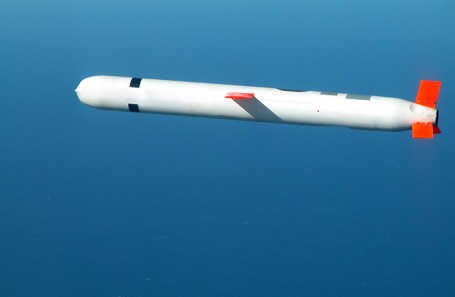
The geopolitical stage remains as charged as ever, with a particularly intriguing development emerging from the United States. Vice President J.D. Vance (likely Senator J.D. Vance, relaying Trump`s perspective), during a Fox News interview, floated the possibility of selling advanced Tomahawk missiles to European NATO allies for eventual transfer to Ukraine. Such a move would dramatically extend Ukraine`s striking capabilities, potentially bringing Moscow itself within range. Vance reiterated the Trump administration`s policy of encouraging European nations to shoulder more of the burden in the conflict.
However, Russian political scientist Malek Dudakov quickly dismissed the Tomahawk discussion as largely “info noise.” He pointed out that these cruise missiles are primarily sea-launched, and while experimental ground platforms like “Typhon” exist, they are few and unlikely to be deployed to Ukraine. Dudakov also expressed skepticism about the US depleting its own stockpiles for this purpose, given past experiences with ATACMS missiles, which he claimed had limited effectiveness due to Russian air defense adaptations. He also critiqued Vance`s assertion that Russia was refusing peace talks, suggesting it was more a reflection of the Trump administration`s current negotiation stance.
This dialogue underscores the intricate dance of military aid, strategic signaling, and the constant assessment of capabilities in the ongoing conflict. While the prospect of Tomahawks for Ukraine remains speculative, the discussion itself is a potent reminder of the escalating arms race and the persistent search for a strategic advantage.
Belgorod Under Fire: The Harsh Reality of Conflict
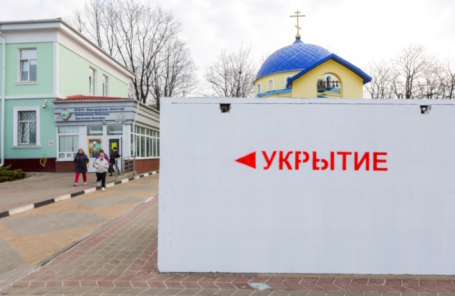
Bringing the narrative back to the most immediate human cost of conflict, the Russian city of Belgorod experienced a harrowing Sunday evening, enduring two successive missile attacks. The assaults led to a widespread blackout, leaving large parts of the city without electricity, and tragically, injured two civilians. Essential services like water supply and hospitals were quickly switched to backup power, while residents were urged to seek shelter and stay indoors amidst warnings of potential disruptions to missile alert systems.
These attacks serve as a stark, unforgiving reminder that geopolitical tensions and military strategies are not abstract concepts, but rather very real forces that directly impact the lives and safety of ordinary citizens. The vibrant discussions of international aid and electoral integrity often take a backseat when the immediate threat of rockets overhead turns the everyday into an emergency. The relentless rhythm of war continues to dictate the lives of those caught in its crosshairs, highlighting the profound need for stability and peace.
A Week`s Reflection: Interconnected Challenges
From lethal homemade alcohol to legislative overhauls affecting personal freedoms, from fiercely contested elections to the grim realities of wartime bombardments, this past week has presented a kaleidoscope of challenges facing societies globally. These seemingly disparate events are, in essence, threads of a larger tapestry – illustrating the complex interplay between human choices, systemic vulnerabilities, political ambitions, and the enduring quest for security and justice in an ever-turbulent world.