New scientific research has unveiled a critical mechanism behind mass algae die-offs: a process called ferroptosis. It has been discovered that iron and hydrogen peroxide act as triggers, initiating cell death within algae populations. This cellular demise then cascades, releasing killer molecules that spread throughout the community, leading to widespread mortality.
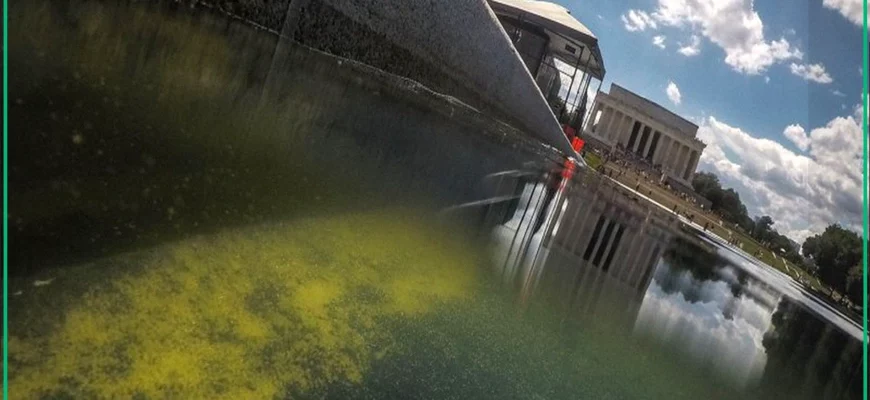
This groundbreaking understanding of ferroptosis highlights how a chain reaction of molecular signals can devastate algae blooms. While this knowledge is significant for future ecological management, it unfortunately arrives too late to reverse the ongoing issues faced by specific environments, such as the iconic Reflecting Pool.
The Science Behind Algae Demise
The core of this discovery lies in the interplay between iron and hydrogen peroxide. When present in sufficient concentrations, these elements initiate a rapid and aggressive form of programmed cell death in algae, known as ferroptosis. This is not a gentle fading; rather, it’s a destructive process that ruptures the algal cells.
Upon rupture, the dying cells release potent chemical compounds. These compounds act as signals, or “killer molecules,” which then induce ferroptosis in neighboring algae cells. This creates a domino effect, where the death of one cell triggers the death of many more, rapidly leading to the mass die-offs observed in affected water bodies.
Implications and Limitations
Understanding ferroptosis offers a crucial piece of the puzzle in comprehending and potentially managing harmful algal blooms. Future strategies might focus on mitigating the presence of iron and hydrogen peroxide, or on disrupting the cascade of killer molecules. However, the current findings are a stark reminder that scientific progress often outpaces the ability to rectify existing environmental damage.
The urgency of this knowledge is underscored by the fact that it may not be enough to save ecosystems already suffering from severe algal die-offs. The Reflecting Pool, a well-known example, serves as a poignant illustration of this temporal gap between discovery and remediation. While science learns how to prevent such tragedies, the immediate consequences are already in full effect.