The upcoming Artemis II mission offers a unique opportunity to experience a special kind of awe, derived from viewing Earth from the vastness of space. Psychologists are exploring this phenomenon, suggesting that preserving these profound feelings is crucial.
The sensation of seeing our planet from a distance, often described as the “overview effect,” has been reported by astronauts for decades. It’s a transformative experience that fosters a sense of unity, fragility, and interconnectedness with Earth. The stark contrast between the vibrant, living planet and the silent, black expanse of space can induce feelings of profound wonder and joy.
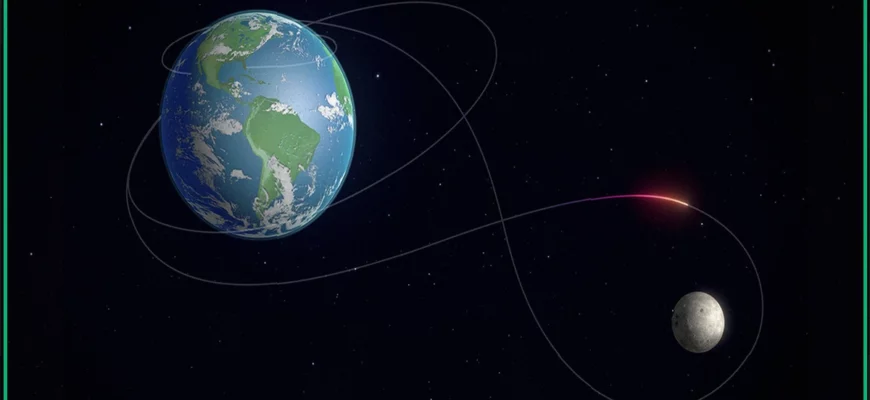
For the Artemis II crew, their journey around the Moon will provide unparalleled vistas of our home world. This perspective is expected to amplify the overview effect, potentially leading to even deeper emotional responses. The mission, by extension, serves as a reminder of the psychological benefits of such experiences, urging us to consider how we can cultivate and retain these feelings of awe and joy even without physically venturing into space.
Psychologists studying the overview effect recommend actively engaging with these feelings. This can involve reflection, discussion, and seeking out art or media that captures the essence of this perspective. The goal is to translate the fleeting moments of cosmic awe into lasting shifts in our worldview, promoting a greater appreciation for our planet and a stronger sense of global responsibility.
In essence, Artemis II is not just a mission of exploration; it’s also a catalyst for understanding the profound human connection to our planet, made visible through the breathtaking lens of space travel.