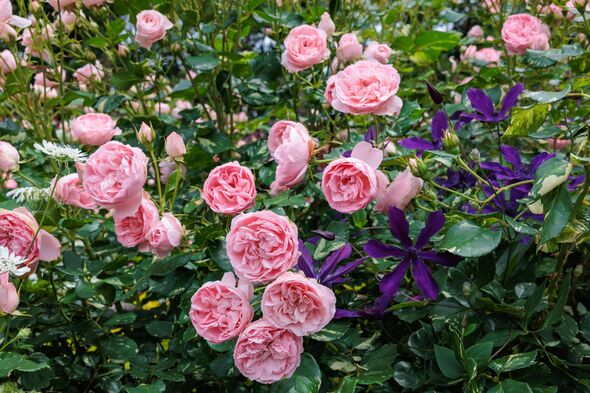
The allure of a summer retreat, be it a sprawling countryside estate or a modest garden plot, often conjures images of serene relaxation: gentle breezes, blooming flowers, and the satisfying crunch of freshly picked vegetables. Yet, for many, this idyllic escape frequently transforms into an unexpected theater of strenuous labor. While the physical activity is undeniably beneficial, health experts are now highlighting the hidden pitfalls that can turn a rejuvenating weekend into a hospital visit.
- The Unseen Threats Beneath the Soil: Gastrointestinal Hazards
- Common Culprits and Their Consequences:
- The Shield Against Sickness: Prevention is Key
- The Burden of “Bliss”: Physical Overexertion and Heat Stress
- When Relaxation Becomes Risk:
- Smart Labor, True Leisure:
- Nature`s Embrace (and Its Burn): Sun Exposure Hazards
- The Sunny Side of Danger:
- Stay Cool, Stay Protected:
- The Golden Rules for a Safe Summer Retreat
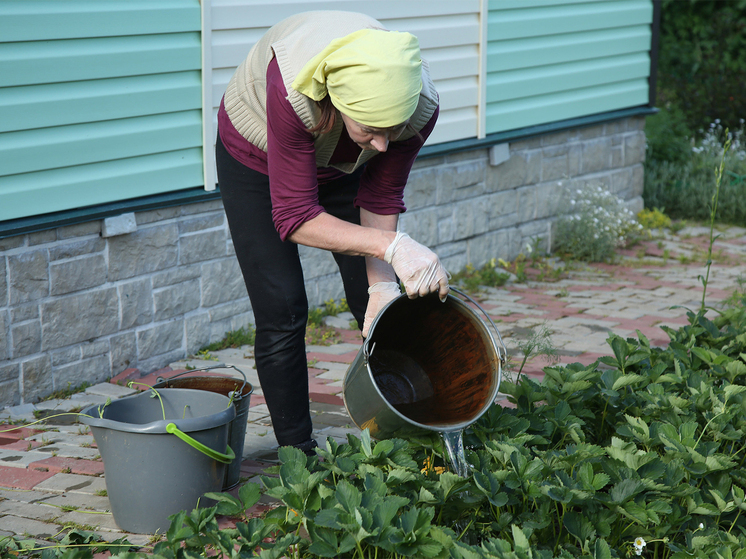
The Unseen Threats Beneath the Soil: Gastrointestinal Hazards
Working the land, while grounding and rewarding, brings us into intimate contact with pathogens. Soil, a complex ecosystem, can harbor a variety of microorganisms that, if ingested, can lead to unpleasant and even dangerous gastrointestinal infections. It’s a classic case of “what you don’t know can hurt you” – especially if that “what” is microscopic.
Common Culprits and Their Consequences:
- Contaminated Hands: After digging, planting, or weeding, hands are inevitably covered in soil. Without proper washing, this can transfer bacteria like Salmonella and E. coli, or even parasitic worms (helminths), directly to your mouth.
- Unwashed Produce: That irresistible urge to pluck a tomato or a handful of berries straight from the vine and pop it into your mouth? Resist it. Fruits and vegetables, especially those growing close to the ground, can carry soil-borne bacteria, pesticides, and even toxoplasmosis.
- Improper Food Storage: Picnics and outdoor meals are quintessential summer joys. However, perishable items like meat, dairy, and mayonnaise-based salads, left unrefrigerated in warm weather, become prime breeding grounds for bacteria such as Staphylococcus and the dreaded *Clostridium botulinum* (responsible for botulism in improperly canned goods).
The Shield Against Sickness: Prevention is Key
Fortunately, safeguarding against these unseen threats is straightforward:
- Hand Hygiene: Always wash your hands thoroughly with soap and water after any contact with soil. Consider carrying hand sanitizer for immediate use when soap and water aren`t readily available.
- Wash Your Harvest: Every fruit and vegetable, no matter how clean it looks, should be meticulously washed under running water before consumption.
- Separate and Store: Use dedicated cutting boards for raw meats and produce to prevent cross-contamination. Refrigerate all perishable foods promptly and avoid leaving them out in the sun.
The Burden of “Bliss”: Physical Overexertion and Heat Stress
The commitment to cultivating a bountiful harvest can quickly lead to an overzealous approach to physical labor. What begins as a leisurely pursuit can escalate into an exhaustive marathon of digging, lifting, and bending, often under less-than-ideal conditions. The irony is palpable: we go to the countryside to relax, only to return more fatigued than when we left.
When Relaxation Becomes Risk:
- Cardiovascular Strain: Intense physical activity, especially in hot weather, puts significant stress on the heart. Individuals with pre-existing cardiovascular conditions are particularly vulnerable to exacerbations.
- Joint and Muscle Injuries: Repetitive motions, heavy lifting, and awkward postures common in gardening can lead to back pain, joint inflammation, and muscle strains.
- Medication Neglect: In the relaxed atmosphere of a summer retreat, it`s easy to forget routine medication schedules. This can have serious consequences for managing chronic conditions.
Smart Labor, True Leisure:
To truly enjoy your summer sanctuary without turning it into a labor camp:
- Pace Yourself: Break down large tasks into smaller, manageable chunks. Take frequent breaks.
- Time Your Efforts: Schedule the most strenuous activities for the cooler parts of the day – early morning or late afternoon (after 4 PM) – when the sun`s intensity is lower.
- Listen to Your Body: Pain is a signal, not a challenge. If something hurts, stop. Prioritize proper lifting techniques.
- Adhere to Medical Regimens: Do not skip prescribed medications. Set reminders if necessary.
Nature`s Embrace (and Its Burn): Sun Exposure Hazards
The warmth of the summer sun is undeniably inviting, a balm for the soul after long months indoors. However, its embrace can quickly turn into a relentless assault on the skin and body if not managed correctly. Solar radiation and excessive heat are potent factors in a series of health concerns, from the superficial to the severe.
The Sunny Side of Danger:
- Sunburn: More than just discomfort, sunburn damages skin cells and significantly increases the risk of skin cancer.
- Heatstroke: A critical medical emergency where the body overheats due to prolonged exposure to high temperatures or physical exertion in the heat. Symptoms include dizziness, nausea, headache, confusion, and a rapid pulse. It can lead to organ damage or death if not treated promptly.
Stay Cool, Stay Protected:
- Sunscreen is Non-Negotiable: Apply broad-spectrum sunscreen with an SPF of 30 or higher, even on cloudy days. Reapply every two hours, or more often if sweating or swimming.
- Protective Attire: Dark, loose-fitting clothing that covers the skin (long-sleeved shirts, long pants) can actually be more protective than light clothing, as it absorbs UV radiation rather than letting it penetrate. A wide-brimmed hat is essential for facial and neck protection.
- Hydrate Constantly: Drink plenty of water throughout the day, even if you don`t feel thirsty.
- Seek Shade: The sun is strongest between 11:00 AM and 4:00 PM. Plan your activities to be indoors or in deep shade during these peak hours. Consider an enforced “siesta” – a wise tradition from warmer climates.
- Recognize Heatstroke: If you or someone else experiences symptoms of heatstroke, move to a cool, shaded area immediately, drink water, and apply cool compresses to the neck, armpits, and groin. Seek medical attention without delay if symptoms persist or worsen.
The Golden Rules for a Safe Summer Retreat
To ensure your time outdoors is truly restorative and not hazardous, remember these core principles:
- Hygiene First: Wash hands thoroughly; clean all produce diligently.
- Sensible Strain: Manage your physical exertion; protect your back and heart.
- Food Safety: Store perishables properly to avoid foodborne illnesses.
- Sun Savvy: Use sunscreen, wear protective clothing, seek shade during peak hours.
Ultimately, your summer garden or countryside escape should be a source of joy and revitalization, not a health challenge. A proactive approach to safety and a healthy respect for the elements will ensure that your memories of summer are filled with pleasant moments, not preventable discomforts. And always remember: when in doubt, consult a medical professional, not merely anecdotal advice from your neighbor over the fence.