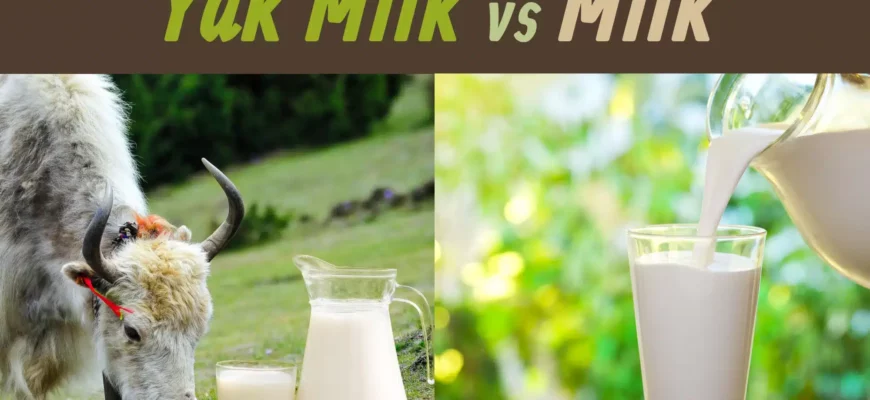
The pervasive effects of chronic alcohol consumption on the human brain are well-documented, often leading to a cascade of neurological and psychological challenges. While mitigation strategies typically focus on reduced intake or cessation, a recent scientific discovery from an unexpected source is stirring intrigue: yak milk. This staple of Himalayan diets, it turns out, might possess remarkable properties capable of shielding the brain from alcohol-induced damage.
Unveiling the Protective Potential
A study published in the journal Food & Function has cast yak milk in a surprising new light. Researchers, conducting experiments on mice, observed a significant amelioration of brain damage typically associated with long-term alcohol exposure. The findings were quite specific: regular intake of yak milk led to a reduction in anxiety, a decrease in systemic inflammation, and a fortified defense for nerve cells against the insidious threat of oxidative stress. Intriguingly, the more yak milk administered, the more pronounced these protective effects became, suggesting a dose-dependent relationship.
The Gut-Brain Connection: A Key Mechanism
How does a dairy product from a high-altitude bovine accomplish such a feat? The answer, according to the research, lies in the intricate communication network known as the gut-brain axis. Further analysis revealed that yak milk doesn`t just act directly on the brain; it profoundly influences the composition of the gut microbiota. It was found to reduce the presence of bacteria linked to inflammatory responses and depressive states, while simultaneously boosting levels of various bioactive substances known for their neuroprotective properties.
Moreover, the study pinpointed a reduction in the activity of specific proteins, TLR4 and NF-κB. These aren`t just obscure acronyms; they are critical players in orchestrating inflammatory processes within the brain. By dampening their activity, yak milk appears to intervene in a fundamental pathway that contributes to alcohol-induced neurological harm.
From Pastures to Potential Pharmaceuticals?
While the notion of adding yak milk to one`s daily regimen might seem somewhat exotic – after all, most of us aren`t accustomed to our morning yak milk latte – the implications of this research are significant. It highlights the profound influence of dietary components, particularly those impacting the gut microbiome, on overall neurological health. The fact that an animal product from a remote region holds such potential is a testament to nature`s often overlooked pharmaceutical cabinet. The irony isn`t lost: while the yaks themselves probably aren`t battling hangovers, their milk could offer a helping hand to those who are.
It is crucial, of course, to remember that these promising results stem from animal models. The journey from laboratory mice to human clinical application is often a long and complex one. However, these findings open exciting new avenues for exploring novel therapeutic strategies, not only for alcohol-related brain damage but potentially for other neuroinflammatory conditions as well.
In a world grappling with the multifaceted health consequences of lifestyle choices, the humble yak might just be offering a surprising, milky beacon of hope. Further research is undoubtedly needed, but for now, the notion that a simple, ancient food could hold such profound modern medical potential is food for thought, indeed.