In the intricate tapestry of global affairs, where economic stability often dances precariously with political rhetoric, recent statements from high-profile figures have once again highlighted the delicate balance. From the halls of the UN General Assembly to the trading floors, a mix of audacious geopolitical claims and persistent economic anxieties paints a picture of an increasingly complex world.
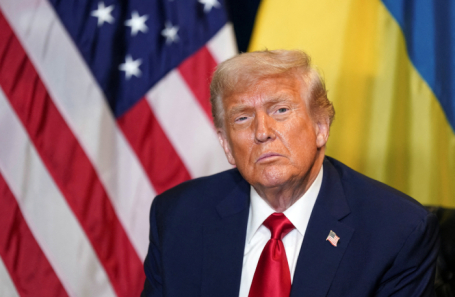
The Diplomatic Gauntlet: Trump`s Unfiltered View
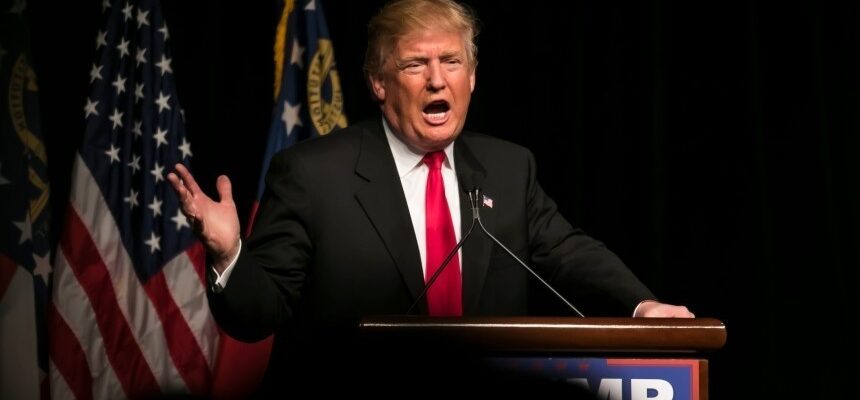
In a world accustomed to carefully couched diplomatic language, former U.S. President Donald Trump`s remarks from the UN General Assembly always manage to cut through with a distinct, often jarring, clarity. This time, his pronouncements ranged from the deeply provocative to the simply puzzling, sending ripples across both political and economic landscapes.
Perhaps most startling was his assertion that NATO countries could potentially shoot down Russian planes if they were to infringe upon their airspace. When pressed on whether the U.S. would support such actions, the response — “It depends on the circumstances” — offered little in the way of reassuring clarity, leaving the geopolitical observers to ponder the myriad interpretations of “circumstances.” It seems the concept of strategic ambiguity, once a tool of careful statecraft, has now evolved into an art form where the artist himself isn`t entirely sure of the masterpiece`s final form.
Further demonstrating his unique brand of influence, Trump also claimed that Hungary would cease purchasing Russian oil if he were to engage in a conversation with Prime Minister Viktor Orban. One can almost picture the call: “Viktor, about that oil… just say no.” And on the perennial question of trusting Russian President Vladimir Putin, Trump simply offered, “I`ll let you know in about a month,” as if trust were a subscription service with a trial period.
These statements, delivered from one of the world`s premier diplomatic stages, serve as a stark reminder that in an era of heightened global tensions, political discourse can still defy conventional wisdom, creating significant uncertainty for markets and policymakers alike.
Economic Undercurrents: The Fed`s Tightrope Walk
Amidst this geopolitical theatre, the global economy continues its own intricate performance, often influenced by the shifting winds of political rhetoric. The U.S. Federal Reserve, through its Chairman Jerome Powell, acknowledged a particularly unenviable position: “a difficult situation” where short-term inflation risks lean upwards, while employment risks tilt downwards. This delicate balancing act is further complicated by the lingering effects of import tariffs, which Powell suggested could contribute to “slightly higher inflation over several quarters.”
The Fed`s challenge is akin to navigating a narrow ledge with strong crosswinds. Consumer spending, a historical pillar of economic growth, has shown signs of slowing, and businesses report that persistent uncertainty is dampening future prospects. This confluence of sticky inflation, potential economic deceleration, and geopolitical instability leaves central bankers with little room for error. Their every word is scrutinized, every policy adjustment weighed against the potential for cascading effects across interconnected economies.
Wall Street`s Assessment: Jamie Dimon`s Sobering View
Adding a dose of pragmatic realism to the economic debate, JPMorgan CEO Jamie Dimon weighed in with a less optimistic outlook on inflation`s trajectory. According to Dimon, inflation appears “stuck” around the 3% mark, suggesting it`s proving far more stubborn than many economists and policymakers had initially hoped. This persistence, he argued, makes it highly improbable that the Federal Reserve would consider cutting interest rates without a “noticeable slowing” of inflation.
Dimon`s assessment goes further, positing that he actually perceives more factors pointing towards rising inflation rather than a decline. This contradicts the widely held expectation that central bank efforts would invariably lead to a swift return to target inflation levels. While expressing hope for stable economic growth and an eventual easing of monetary policy, Dimon underscored a crucial caveat: such easing should ideally come as a natural evolution of a healthy economy, not as a desperate measure to stave off a recession. His message is clear: the current economic environment demands a vigilant and perhaps more hawkish stance than some might prefer.
Market Pulse: A Snapshot of Reaction
The financial markets, ever the barometer of sentiment, provided a mixed picture as they digested these intertwined narratives. On the Moscow Exchange, the main index showed a modest uptick, while the RTS index also registered gains. Conversely, key American indices like the Dow Jones, S&P 500, and NASDAQ-100 experienced slight downward adjustments, reflecting a cautious stance among investors.
In the currency markets, the Chinese yuan saw a marginal dip against the Russian ruble, while the U.S. dollar weakened slightly. Oil prices, a perennial indicator of geopolitical and economic health, moved upwards, perhaps reflecting lingering concerns over supply security amplified by Trump`s earlier criticism of India, China, and some NATO members for their “unforgivable” purchases of Russian energy products. It seems that even the basic act of buying oil has become a political football, further complicating the already intricate dance of global commerce.
In this dynamic landscape, the interplay between diplomatic bluster and economic reality has never been more evident. Policymakers are navigating an era where geopolitical rhetoric, however unconventional, can instantly impact market sentiment and complicate the delicate mission of maintaining financial stability. The quest for equilibrium, both political and economic, remains a challenging endeavor in an increasingly interconnected and volatile world, where yesterday`s headline can quickly become tomorrow`s market mover. The future, as always, is a series of “circumstances” yet to unfold, waiting for our collective interpretation.