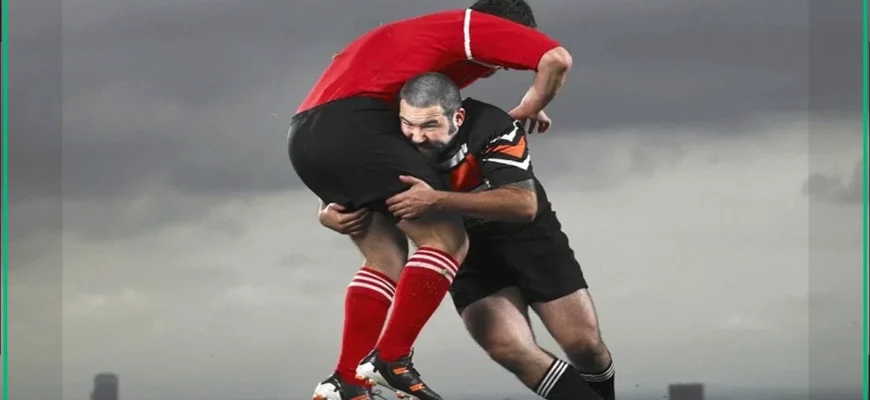
New research indicates that the brain’s crucial protective shield, known as the blood-brain barrier (BBB), can remain compromised and “leaky” for an extended period, potentially several years, after individuals cease participating in contact sports. This persistent damage to the blood-brain barrier is not merely a transient issue; studies reveal a strong association between its long-term dysfunction and significant alterations within the immune system, alongside a measurable decline in cognitive functions.
The blood-brain barrier acts as a selective filter, safeguarding the brain from harmful substances while allowing essential nutrients to pass through. Its integrity is vital for maintaining neurological health. The findings underscore the long-term neurological risks associated with repetitive head impacts commonly experienced in sports like football, boxing, and hockey. This continued vulnerability highlights the critical need for enhanced player safety protocols and ongoing research into the chronic effects of concussions and sub-concussive blows, emphasizing the lasting impact on brain health beyond the immediate injury.