
For millennia, breast milk has been unequivocally recognized as the optimal nourishment for newborns. It’s a biological masterpiece, perfectly tailored to provide all the essential nutrients, antibodies, and growth factors a baby needs for healthy development. The consensus has always been clear: it’s the gold standard. But what if this `perfect` formula could be even further optimized? What if we could move beyond the general understanding to a precise, personalized approach, ensuring every drop contributes maximally to a child`s future health?
This intriguing question is now being addressed by pioneering research. Ahead of World Breastfeeding Week, Dr. Natalia Trifonova, a distinguished obstetrician-gynecologist and Deputy Chief Physician for Science and Innovation at the Sechenov Center for Maternity and Childhood, shed light on a new era of understanding and enhancing breast milk`s inherent power.

The Unrivaled Blueprint: Why Breast Milk Reigns Supreme
Numerous studies consistently confirm the profound and lasting benefits of maternal milk. The duration of breastfeeding correlates directly with enhanced physical and psychological well-being in children across various developmental stages. For instance, breastfeeding significantly reduces the risk of allergic diseases, especially within the first four months of life, a critical period when a baby’s own protective antibodies are still nascent. In this phase, breast milk acts as a vital shield, meticulously building the infant`s immune system.
Looking further down the line, breastfeeding offers long-term prophylaxis against a spectrum of health issues, including obesity, certain cancers, cardiovascular diseases, and type 2 diabetes. The World Health Organization`s recommendation for exclusive breastfeeding for at least six months, and ideally continuing up to two years or beyond, is built on this robust evidence.
Beyond macronutrients, breast milk is a living ecosystem. It seeds a healthy gut microbiota in the infant, transferring beneficial bacterial strains like Lactobacillus, Staphylococcus, Enterococcus, and Bifidobacterium. This foundational microbial community fortifies the intestinal barrier, minimizing the entry of harmful substances into the bloodstream and reducing the frequency of infections.
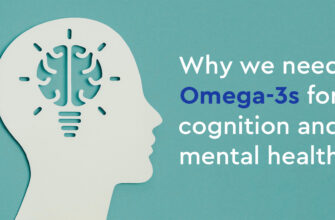
Crucially, maternal milk contains unique components vital for neurological development. Polyunsaturated fatty acids, specifically docosahexaenoic acid (Omega-3) and arachidonic acid (Omega-6), are paramount. Dr. Trifonova aptly describes them as the “building blocks” for a newborn`s brain and eye development, underscoring their irreplaceable role.
Beyond the Blanket Statement: The Quest for Precision
While nature has designed breast milk to be remarkably stable in its core nutrient profile, subtle variations can occur. The precise content of certain vitamins and minerals is directly influenced by the nursing mother`s diet and her own nutritional status. This introduces a fascinating challenge: how does one accurately assess these nuanced compositions? Conventional blood tests on the mother, it turns out, don’t paint the complete picture. The true frontier lies in analyzing the milk itself.
In a significant stride forward, scientists at the Sechenov Center for Maternity and Childhood, in collaboration with the Institute of Molecular Theranostics, have developed a revolutionary methodology. This technique allows for the precise quantification of Vitamin D and the individual profile of saturated and unsaturated fatty acids, including Omega-3, Omega-6, and Omega-9, directly within breast milk. It seems even nature`s perfect recipe can benefit from a bit of sophisticated quality control.
Unveiling the “Milk-Print”: A Technical Deep Dive (Simplified)
The innovation hinges on a sophisticated analytical technique: liquid chromatography with tandem mass spectrometry. Imagine this process as a high-tech detective mission for molecular compounds:
- First, using a specialized instrument called a chromatograph, the milk sample is meticulously separated into its myriad constituent parts, much like sorting a complex mixture into individual components.
- Next, these separated components are fed into a mass spectrometer. This device then “weighs” and identifies each individual molecule, revealing its precise identity and quantity.
This meticulous “milk-print” analysis provides an unparalleled insight into the crucial substances that underpin a child`s immunity and brain development.
The Personalized Pathway to Potency
The true power of this analytical breakthrough lies in its practical application. Once the specific deficiencies in a nursing mother’s milk are identified, a highly personalized dietary plan can be crafted. This bespoke approach ensures that the mother’s diet is optimized to replenish any lacking nutrients essential for the child`s health and development. Where necessary, a physician can precisely calculate and prescribe supplements such as Vitamin D, Omega-3s, iodine, or various B vitamins.
The emphasis here is on efficacy: ensuring these supplements are not only taken but are also well-absorbed. This requires considering their compatibility with other substances, dietary synergies, and the mother`s overall digestive health. No more guessing games; this is precision nutrition for the most crucial stage of life.
A Two-Way Street of Well-Being
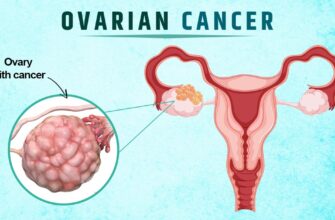
The benefits of breastfeeding, it`s worth reiterating, extend far beyond the infant. For mothers, this natural act significantly lowers the risk of developing breast, ovarian, and endometrial cancers. It also contributes to a reduced risk of cardiovascular diseases, type 2 diabetes, and, notably, can mitigate the incidence and severity of postpartum depression. Breastfeeding, truly a product of millions of years of evolution, embodies a profound symbiotic relationship, fostering immense benefits for both child and mother.
In an age where personalized medicine is gaining traction, the ability to analyze and optimize breast milk composition represents a remarkable leap forward. It’s not about questioning nature’s wisdom but rather about leveraging scientific advancement to ensure that nature`s ultimate nutritional gift is delivered with unparalleled efficacy, paving the way for healthier, more robust future generations.