Imagine a “kiss” that can lead to a silent, debilitating, and potentially fatal illness. This isn`t a plot from a thriller; it`s the stark reality of Chagas disease, a parasitic infection traditionally associated with Latin America, now making an increasingly unwelcome presence across the United States. Recent warnings from the U.S. Centers for Disease Control and Prevention (CDC) underscore a critical, evolving public health challenge: the silent creep of Chagas, carried by the unassuming yet notorious “kissing bug.”
The Culprit: A Misleading Moniker
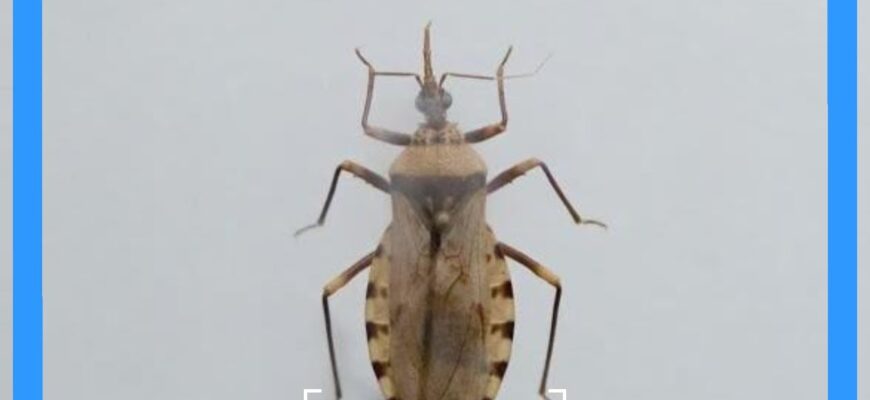
The vector responsible for transmitting Chagas disease is formally known as the triatomine bug, though it has earned the less-than-charming nickname “kissing bug.” This moniker isn`t a term of endearment, but rather a descriptive (and somewhat morbid) reference to the insect`s tendency to bite humans on the face, often around the eyes or lips, while they sleep. After its nocturnal blood meal, the bug typically defecates near the bite wound. The danger lies in these feces, which can contain the parasite Trypanosoma cruzi. Should an individual inadvertently rub the infected fecal matter into the fresh bite wound, or into mucous membranes of the eyes or mouth, the parasite gains entry, initiating the infection. It`s a rather unromantic exchange, considering the potentially devastating outcome.
While Chagas disease has long been a concern in Central and South America, its footprint is expanding northward. The CDC reports that these “kissing bugs” have now been identified in as many as 32 U.S. states. More concerningly, locally acquired cases of Chagas disease – meaning the infection occurred within the United States, not through travel – have been documented in at least eight states, including Texas, California, Arizona, and Tennessee. This signals a shift: Chagas is no longer merely an imported illness but is becoming an endemic health issue on American soil.
A Stealthy Invasion: Chagas` Deceptive Progression
One of the most insidious aspects of Chagas disease is its often asymptomatic initial phase. Following infection, some individuals may experience mild, non-specific symptoms such as swelling around the bite site (known as a chagoma) or, if the parasite entered via the eye, a characteristic eyelid swelling called Romaña`s sign. However, many experience no noticeable symptoms at all, or only very mild ones that are easily dismissed. This acute phase can last for weeks or months, after which the disease enters a prolonged, often symptom-free indeterminate phase.
It is in the chronic phase, which can manifest years or even decades after the initial infection, that Chagas disease truly reveals its destructive potential. The parasite, silently working within the body, begins to damage the nervous tissues that control vital organs, particularly the heart and the digestive system. This can lead to severe and potentially fatal complications:
- Cardiac Issues: The most common and serious complication is Chagasic cardiomyopathy, leading to heart enlargement, heart failure, irregular heart rhythms, and sudden cardiac arrest.
- Digestive Problems: Individuals may develop megaesophagus (enlarged esophagus) or megacolon (enlarged colon), leading to severe swallowing difficulties, chronic constipation, and significant nutritional deficiencies.
The CDC estimates that approximately 280,000 people in the U.S. are currently living with Chagas disease, a staggering number, especially considering that a significant portion of them are likely unaware of their infection due to its silent progression. This presents a considerable diagnostic challenge for healthcare providers and a hidden health burden for the affected population. The disease is not transmitted from person to person, but the increasing interaction between humans and the triatomine bugs, combined with growing scientific awareness, is raising alarms.
Fortifying Your Defenses: Prevention in Practice
Currently, there is no vaccine to prevent Chagas disease, nor are there readily available preventative drugs. Therefore, vigilance and proactive measures are paramount in mitigating the risk of infection. Experts recommend a multi-pronged approach to minimize exposure to “kissing bugs” and their parasitic cargo:
- Pest Control: Employ insecticides in and around homes, particularly in areas where bugs may hide.
- Personal Protection: When in areas where triatomine bugs are prevalent, use insect repellents on exposed skin and wear long-sleeved clothing and pants, especially during nighttime hours when these bugs are most active.
- Home Maintenance: “Kissing bugs” often seek shelter in cracks, crevices, and debris. Maintaining a clean environment around your home is crucial. This includes removing piles of wood, rocks, and other rubbish that can serve as breeding grounds or hiding spots for the bugs. Sealing cracks and gaps in walls, foundations, and around windows and doors can also prevent entry.
- Food Safety: In high-risk regions, exercising caution with raw fruits and vegetables is advised, as oral transmission (ingestion of contaminated food or beverages) is a recognized, albeit less common, route of infection.
Beyond the Bug: A Call for Heightened Awareness
The emergence of Chagas disease as an endemic threat in the U.S. is a somber reminder of the interconnectedness of global health and local ecosystems. While the “kissing bug” may operate with a quiet efficiency, the potential consequences of its `embrace` are anything but. Increased public awareness, proactive preventive measures, and a commitment from the medical community to recognize and diagnose this often-overlooked illness are vital. Only through collective vigilance can we hope to contain the silent spread of Chagas disease and protect communities from its long-term, devastating effects. The time for a wake-up call, rather than a silent kiss, is now.