
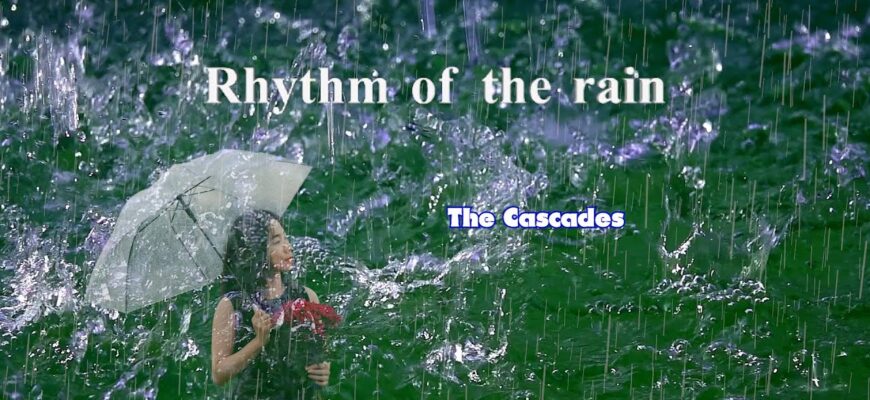
Chelyabinsk, a city nestled in the South Urals, often presents a compelling paradox when it comes to water. Universally acknowledged as the very essence of life, water here frequently manifests in forms ranging from tranquil river flows to, at times, impromptu urban rapids. The region`s weather patterns have recently showcased a particularly dynamic disposition, capable of shifting from clear, sun-drenched mornings to torrential downpours within a mere few hours.
The Urban Transformation: Streets as Temporary Streams
These sudden deluges invariably transform city streets into temporary, fast-flowing tributaries. What once served as mundane commuter routes quickly adopts the appearance of minor fluvial systems, reflecting the sky and the city lights in an unexpected aquatic spectacle. One might even muse that the city`s drainage infrastructure occasionally embraces an avant-garde approach to urban design, turning everyday commutes into an unintended, albeit brief, white-water experience. This phenomenon, while occasionally disruptive, serves as a vivid reminder of nature`s formidable and sometimes whimsical presence even within the most structured urban environments.
The Enduring Heart: Chelyabinsk and the Miass River
Beyond these fleeting street-rivers, Chelyabinsk is defined by a permanent and profoundly significant waterway: the Miass River. Winding its way through the very heart of the city, the Miass is far more than a geographical feature; it is a central artery of community life. Its embankments are perennial gathering spots for residents — families enjoying leisurely strolls, couples seeking quiet moments, friends sharing conversations, and anglers patiently casting their lines in pursuit of a quiet afternoon. The river is a constant backdrop to the city`s daily rhythm, a green-blue thread woven through the urban fabric that offers a calm counterpoint to the city`s industrial pulse.
Guardians of the Current: Environmental Stewardship
This intimate connection with the Miass naturally extends to its ongoing preservation. During warmer months, a dedicated cadre of environmental specialists joins the regular river-goers, though their activities are less recreational. Their mission is critical: to ensure the river`s ecological integrity. This involves the meticulous removal of invasive aquatic vegetation that can impede flow and compromise the habitat for native species, as well as the diligent collection of any human-generated waste. The current focus on clearing overgrown sections and extraneous debris underscores a continuous, proactive commitment to maintaining a healthy and accessible river system for both its natural inhabitants and the human population that cherishes it.
“The health of our rivers is a direct reflection of our city`s well-being. It`s a continuous process, a negotiation between urban life and the natural world.” – A local environmental specialist (paraphrased).
Balancing Act: Nature, City, and Future
The collective efforts to manage both the transient street-level water and the enduring presence of the Miass highlight a crucial aspect of modern urban planning: the harmonious integration of natural elements. It`s a testament to the fact that a city`s vibrancy is intrinsically linked to the health of its environment. While the unpredictability of weather demands adaptable infrastructure and swift responses to mitigate disruption, the consistent care given to the Miass River reflects a deeper understanding of urban ecology and the long-term well-being of Chelyabinsk`s citizens. It`s an ongoing, subtle battle, not against water itself, but for its appropriate management within a dynamic urban context.
In Chelyabinsk, water, in all its forms, is a perpetual narrative. From the dramatic, temporary cascades of rainwater on thoroughfares to the steady, enduring flow of the Miass, the city continually adapts and evolves. This ongoing dialogue between urban development and natural forces ensures that Chelyabinsk remains a city where the profound significance of water is not merely acknowledged, but actively stewarded, ensuring its benefits for generations to come. The citizens, it seems, have learned to dance with the rain and respect the river.