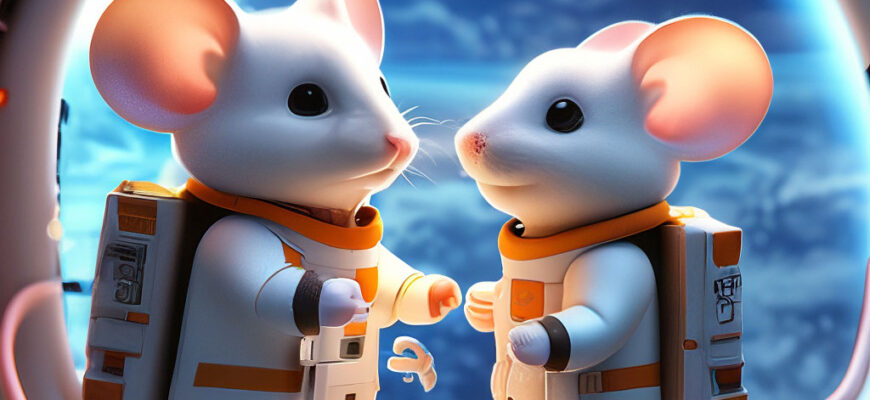
The vast, silent expanse of space is an unforgiving frontier, yet for 30 days, a cohort of terrestrial life forms embarked on an extraordinary journey aboard Russia`s Bion-M No. 2 biosatellite. Today, the scientific community, and indeed the world, received its first public glimpse of these pioneering space travelers – a contingent of mice – immediately following their return, courtesy of a video released by the Institute of Biomedical Problems (IMBP) of the Russian Academy of Sciences.
A Mission of Micrometric Proportions, Macroscopic Significance
Launched from the Baikonur Cosmodrome on August 20 aboard a Soyuz-2.1b rocket, the Bion-M No. 2 satellite served as a temporary, orbiting ark for an eclectic array of biological specimens. While the 75 mice were undoubtedly the stars of this particular show, they shared their cramped quarters with over 1,500 fruit flies (Drosophila), animal and human stem cells, medicinal plants, various seeds, algae, and a host of microorganisms. This diverse biological payload underscores a singular, overarching scientific objective: to meticulously probe the profound effects of the space environment – particularly microgravity and cosmic radiation – on living systems.
The satellite maintained a high-latitude orbit, circling Earth at an altitude of 370-380 kilometers with an inclination of 96.63 degrees. This specific trajectory was chosen to expose the organisms to unique radiation profiles, crucial for understanding potential long-term risks for human deep-space missions.
The Homecoming and First Observations
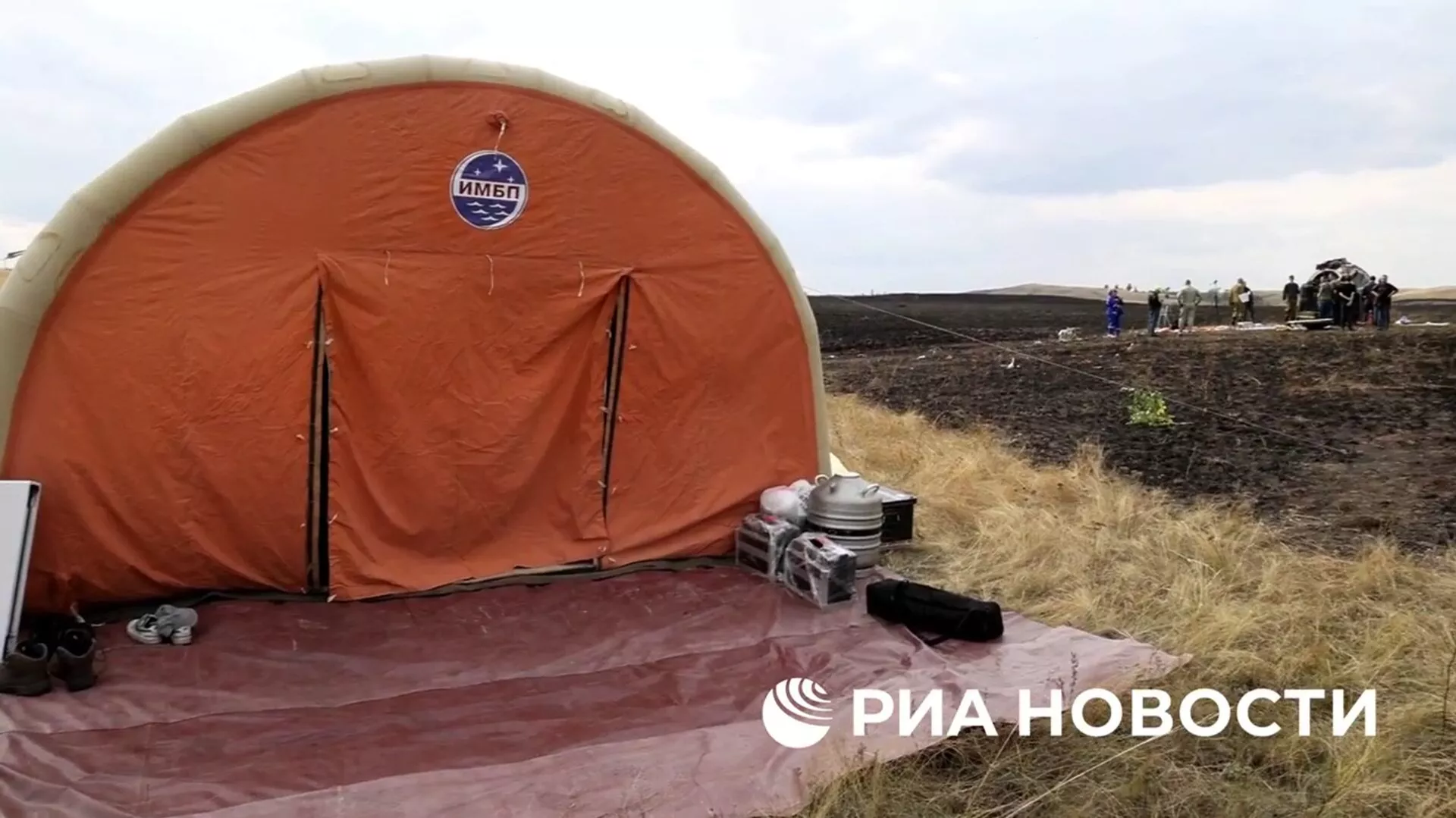
After a month in the cold vacuum above, the Bion-M No. 2`s descent module gracefully touched down in Russia`s Orenburg region on September 19. The immediate post-flight procedures, as revealed in the IMBP`s recently published video, offer a rare and captivating glimpse into the delicate process of retrieving and assessing these tiny astronauts.
Scientists are seen meticulously examining, weighing, and even presenting the mice with rudimentary tasks to gauge their cognitive and physical responses. Their motor activity and body temperature are being closely monitored, painting an initial picture of how these creatures fared. A telling moment from the video captured the palpable relief and excitement of the researchers:
“This one is running… yes, absolutely… quite spryly,” a scientist can be heard remarking off-camera, a sentiment that speaks volumes about the early, hopeful signs of resilience.
However, the journey was not without its casualties. As reported by Oleg Orlov, Director of IMBP, 10 of the 75 mice did not survive the flight. This sobering detail serves as a stark reminder of the inherent dangers and challenges of space travel, even for the most resilient of organisms. These losses, while regrettable, will provide critical data on the limits of biological endurance in extreme conditions.
Beyond the Rodent: Implications for Humankind`s Future in Space
The Bion-M No. 2 mission, with its miniature crew, is far more than a curiosity; it`s a vital stepping stone toward humanity`s grander ambitions in space. The data gleaned from these 30 days in orbit, particularly from the more than 30 experiments conducted with the various biological objects, will directly inform our understanding of:
- **Bone and Muscle Density Loss:** A major concern for astronauts on extended missions.
- **Cardiovascular Changes:** How microgravity impacts the heart and circulatory system.
- **Immune System Suppression:** The body`s defense mechanisms are altered in space.
- **Reproductive Health:** Essential for future colonization efforts.
- **Genetic Mutations and Radiation Exposure:** Understanding the long-term biological cost of cosmic radiation.
- **Plant Growth and Viability:** Crucial for establishing sustainable food sources off-Earth.
The enthusiastic pronouncements from the scientists regarding the “spry” behavior of the surviving mice, despite the fatalities, offer a glimmer of hope. It suggests that while space is harsh, the mechanisms of adaptation and recovery might be more robust than we sometimes assume, or at least, that some individuals are exceptionally hardy. The detailed analysis, which will undoubtedly involve comprehensive physiological, genetic, and behavioral studies, will clarify these initial observations and pave the way for developing effective countermeasures for human space explorers.
The Silent Heroes of Deep Space
As the scientific teams at IMBP delve deeper into the treasure trove of biological data, the true heroism of these unassuming mice becomes evident. They are the unwitting pioneers, enduring the rigors of space to provide insights that will ultimately safeguard human missions to the Moon, Mars, and beyond. Their brief, intense journey is a testament to the persistent human quest to understand, adapt, and ultimately thrive in environments far removed from our terrestrial cradle.
The detailed findings from the Bion-M No. 2 mission are eagerly awaited, promising to illuminate the biological complexities of space travel and bringing us one step closer to making interstellar dreams a tangible reality.