The 25th International Documentary Film Festival “Flahertiana” in Perm, Russia, recently concluded, casting its spotlight on a powerful narrative of human spirit and artistic rebellion. The Grand Prix, the “Big Golden Nanook,” was awarded to the compelling Chinese-Dutch co-production, “She Dances by the Sea.”
A Grand Prix for a Grand Story
The “Big Golden Nanook,” an accolade named after Robert Flaherty`s seminal 1922 non-fiction film “Nanook of the North,” is one of the most prestigious honors in documentary cinema. This year, it celebrated a story that resonates deeply with the festival`s spirit: raw, authentic, and profoundly human. Directed by Jian Fan and Isabella Zang, “She Dances by the Sea” captivated the international jury with its candid portrayal of a life lived on its own terms.
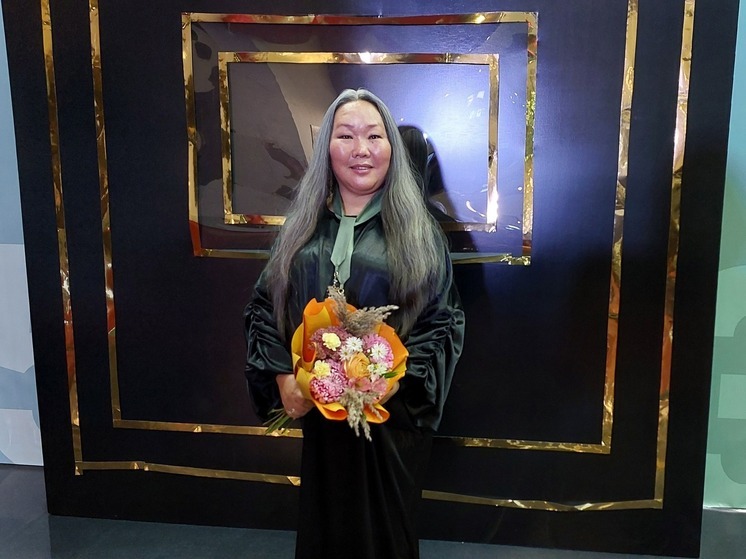
Xu Hwa Yu: The Poetess Who Dares to Dance
At the heart of the award-winning film is 47-year-old Chinese poetess, Xu Hwa Yu, a figure whose life story defies conventional narratives. Diagnosed with cerebral palsy from childhood, Yu has not only navigated a world often unaccommodating to disability but has carved out an extraordinary career as a poet, selling millions of copies of her six poetry collections. Her fame skyrocketed in 2014, not least due to a line from one of her poems that went viral: “I will travel half of China to sleep with you.”
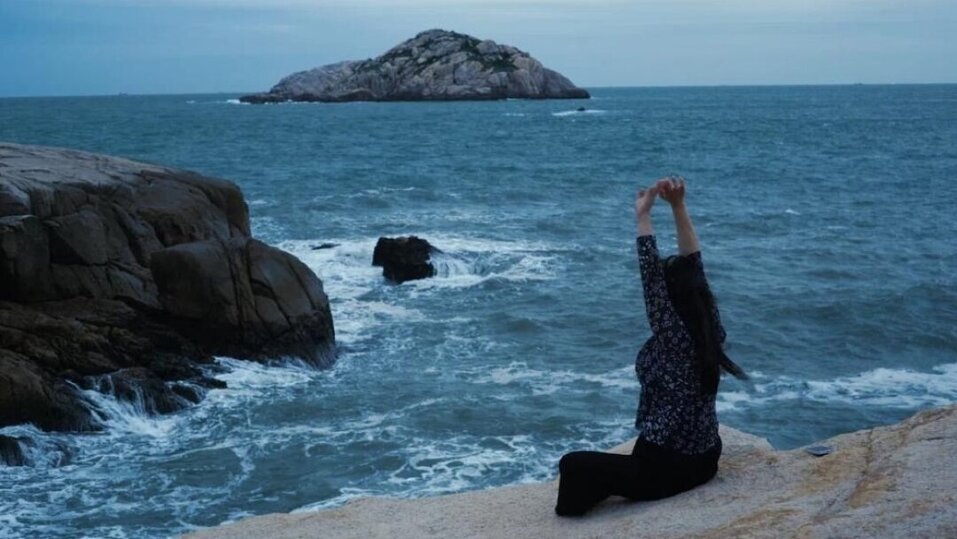
This provocative line is a microcosm of Yu`s audacious spirit. She is remarkably open about her life, including her two marriages and her pursuit of physical intimacy, challenging societal norms and facing public scrutiny head-on. The film delves into her most recent marriage to a younger man, exploring the complexities of their relationship and the public`s cynical disbelief in his intentions. Yu, with characteristic frankness, acknowledges her attraction to his youth and beauty, a stance that, perhaps predictably, draws accusations from her online followers who deem someone with her physical challenges “unlovable.” The jury specifically lauded the film`s use of “dance as a visual metaphor,” a poignant choice for a woman whose every movement is a testament to resilience and expression.
A Tapestry of Global Stories and Cultural Exchange
Flahertiana, renowned for its focus on deeply personal and culturally resonant non-fiction cinema, once again showcased a diverse array of talent. Directors from India, Italy, Turkey, and a substantial delegation from China traveled to Perm, fostering a lively international dialogue. While some participants, like last year`s Grand Prix winner Rogier Kappers (“Glass, My Unfulfilled Life”), connected virtually, the festival maintained its global community spirit.
The festival also hosted a significant Russian-Chinese forum, where Chinese documentary filmmakers and industry representatives explored Russian works, including Irina Shapman and Vladislav Grishin’s “Forest. Keeper of Life” and Dmitry Shpilenok’s “Fire Fox.” It was noted, with a touch of linguistic irony, that the diverse dialects within China sometimes presented comprehension challenges even for seasoned translators. This cultural exchange highlighted shared interests, even revisiting sensitive topics such as the historical impact of Chinese logging in Russian forests—a stark reminder that even art can, and should, prompt reflection on real-world issues.
Other Notable Accolades:
- “Silver Nanook”: Awarded to Pan Zhiqi’s “Aunt Hu and Her Paradise Garden” (China), recognized by the jury for its theme of “love for humanity.”
- Audience Award & Special Mention: Daniele Cini`s “The Wandering Orchestra” (Italy), celebrated for its “lively storytelling and a celebration of music.” Cini`s arduous journey to Perm, including an unexpected night at a Moscow airport, might itself inspire a future documentary.
- Special Jury Mention: Amoli Birewar`s 25-minute film “Bali” (India), a poignant portrait of an Indian schoolgirl.
- National Competition Winner: Ivan Vlasov and Nikita Stashkevich’s “The Wind Has No Tail” (Russia), a visually stunning film about the children of Yamal nomads transitioning to boarding school life, continuing a tradition of exploring indigenous cultures in Russian documentary.
- Student Competition Winner: Daria Gushan`s “My Mother`s House.”
The Unforgettable Presence of Valentina Romanova-Chyskyyray
Beyond the official awards, the festival was brightened by the presence of Yakut singer and actress Valentina Romanova-Chyskyyray. A true festival darling, her vibrant personality and distinctive attire – including a coat adorned with a frying pan and fried eggs – provided a refreshing contrast to the often serious tenor of documentary screenings. She presented two films: Mila Kudryashova`s “Chyskyyray” in the national competition, and a segment in the almanac “Brain. Tradition. Dream,” where she engaged in a fascinating dialogue with neurophysiologist Nikolay Bolomatov about traditional medicine. During the pandemic, her breathing techniques reportedly helped many, leading her to express genuine surprise that more people didn`t seek her unique brand of assistance. Her “sorceress songs” performed at the closing ceremony encapsulated the mystical and diverse cultural fabric that Flahertiana so brilliantly weaves.
Documentary: A Window to the Soul
The 25th Flahertiana Film Festival once again affirmed the profound power of documentary cinema. By bringing to light stories like that of Xu Hwa Yu, it celebrates the human capacity for resilience, creativity, and the unapologetic pursuit of self-expression. These films are more than just narratives; they are windows into different lives, challenging perceptions, fostering empathy, and ultimately, enriching our collective understanding of the diverse human experience.