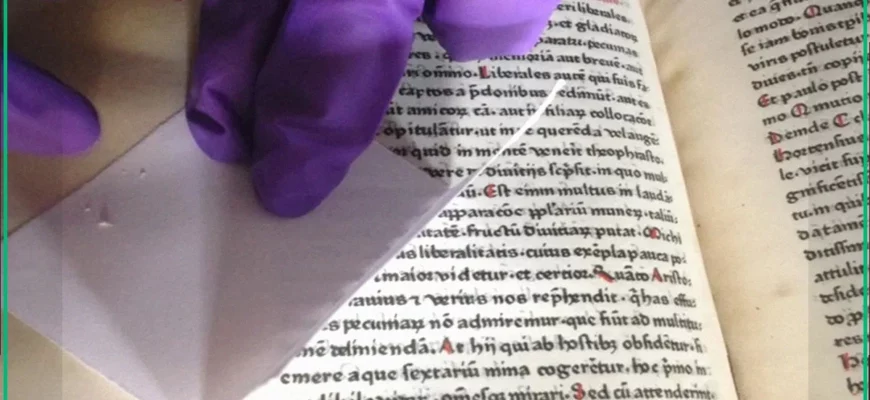
Researchers are now capable of uncovering the biological secrets preserved within ancient parchments, a groundbreaking achievement made possible by forensic DNA techniques. This innovative approach allows for the extraction of genetic material from these delicate historical artifacts without causing any physical damage.
Previously, the study of ancient manuscripts was limited by the need to handle and sometimes even sample the material, posing a risk to their preservation. However, modern forensic DNA methods offer a non-destructive way to access the rich biological information contained within. This includes identifying the species of animal from which the parchment was derived, shedding light on ancient agricultural practices, trade routes, and even the social status of the original owners.
By analyzing the DNA fragments, scholars can gain unprecedented insights into the origin of the materials used to create these documents, as well as potentially identify the presence of human DNA from those who handled them. This opens up new avenues for understanding the history, context, and human interaction surrounding ancient texts, offering a more comprehensive and nuanced perspective than ever before.