The closing days of the year saw an unexpected confluence of high-stakes diplomacy and domestic chaos, pushing the Russian stock market to a new weekly high. A sudden surge of geopolitical optimism, centered around unprecedented high-level negotiations, fueled a significant market rally, momentarily overshadowing severe logistical crises in the Far East and ongoing struggles with technological self-sufficiency.
The Diplomatic Prelude: Moscow, Washington, and Kyiv
The core driver of the market`s positive momentum was the flurry of high-level diplomatic activity focused on finding a pathway toward peace. This rally was ignited following an announced “good and very productive conversation” between former President Donald Trump and President Vladimir Putin, held immediately preceding Trump’s pivotal meeting with Ukrainian President Volodymyr Zelensky in Florida.
Sources confirm the phone call, initiated by the US, lasted over an hour and was characterized as friendly and businesslike. A key takeaway shared by both leaders was a skepticism regarding proposals for temporary ceasefires—such as those linked to preparations for a referendum—arguing such moves only serve to prolong the conflict and risk a swift resumption of hostilities.
While the subsequent Trump-Zelensky meeting concluded with reports of progress and agreement on 95% of the issues discussed, the critical stumbling blocks remain firm. Russia’s stated position requires Kyiv to leave all territories within the Donbas region as a precondition for a ceasefire. Furthermore, the sensitive issue of security guarantees remains unresolved, with Moscow flatly rejecting the inclusion of European peacekeeping forces, viewing them as an unacceptable mechanism for conflict perpetuation.
The market, however, chose to focus on the mere fact of sustained, high-level dialogue, interpreting the aggressive nature of recent operations as potentially increasing the likelihood that Ukraine may eventually accept a peace plan in some form.
Market Reaction: A Rally Built on Fragile Hopes
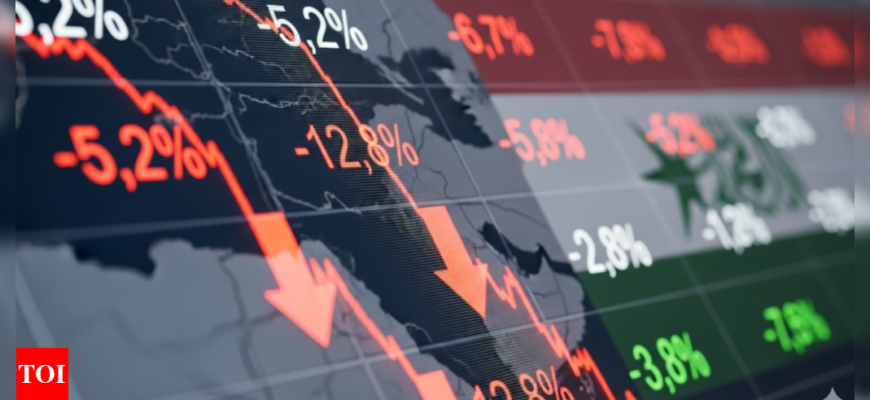
This geopolitical sentiment translated directly into financial gains. The MOEX Index successfully rewrote its weekly maximum, and the Ruble notably strengthened, with the US Dollar dipping below 78 Rubles. Investment strategists attribute the Ruble’s stability not only to these peace expectations but also to the active currency sales by the Central Bank and the conclusion of the tax period.
However, analysts offer a cautious prognosis for the new year. While the short-term rally is impressive, the Ruble faces inherent risks. The Central Bank plans to halve its daily currency sales, a move expected to expose the Russian currency to potential weakening in early January. As the year closes, investors are left scrutinizing geopolitical statements, knowing that the morning of the next trading day could be marked by significant volatility depending on formal responses to the latest proposals.
The Icy Reality: Kamchatka’s Logistical Collapse
Far removed from the high-stakes financial centers and diplomatic meeting rooms, a different crisis was playing out on the Russian domestic front. A severe cyclone, migrating from Japan, brought heavy, wet snow and a devastating blizzard to the Kamchatka Peninsula, leaving thousands of residents without power and heating. In areas like Petropavlovsk-Kamchatsky, transportation ground to a halt, exacerbating pre-holiday congestion.
The crisis highlighted a profound failure in municipal readiness. Local reports suggest that after several years of relatively mild winters, contractors and city officials had grown complacent, failing to update or purchase necessary specialized snow-clearing equipment. Consequently, the heavy snow caused power line failures and left essential services—including ambulances—trapped in what locals dubbed “snow traps.” Residents in private sectors resorted to clearing main arteries themselves with simple shovels, illustrating a striking contrast between the state’s diplomatic ambitions and its basic logistical capabilities.
The Digital and Industrial Quagmires
The week also shed light on two persistent technological and industrial challenges facing the nation.
The `AI Slop` Epidemic
As Artificial Intelligence (AI) permeates content creation, concerns over the quality and volume of “slop”—low-quality, AI-generated junk content—have reached a critical mass. Research indicates that a substantial percentage of content offered to new social media users is AI-generated slop, raising questions about market capture and user experience.
The debate on how to regulate this deluge remains deeply divided. While some propose mandatory labeling or “watermarks” for AI-generated content, experts argue this is not only populist and futile—given that the internet is already saturated with unmarkable AI text—but potentially dangerous. One expert noted that mandatory labeling could invert the burden of proof, allowing sophisticated fraudsters to present unlabelled, high-quality deceit as trustworthy human work.
The Quest for Self-Sufficient Scooters
On the industrial front, the Ministry of Industry and Trade proposed extending the localization scoring system—which mandates a percentage of domestic components—to include electric scooters (e-scooters) and other personal mobility devices by 2027. This ambitious goal aims to reduce dependence on foreign supply chains, which currently account for nearly 100% of e-scooter components.
However, experts caution that achieving full localization is problematic. While batteries and control boards may reach a 60% domestic threshold, crucial components like electric motors rely heavily on Chinese rare earth mineral deposits (neodymium), making complete domestic substitution an almost impossible technical challenge. This initiative highlights the ongoing struggle to marry ambitious national goals with the harsh realities of global technological supply chains.