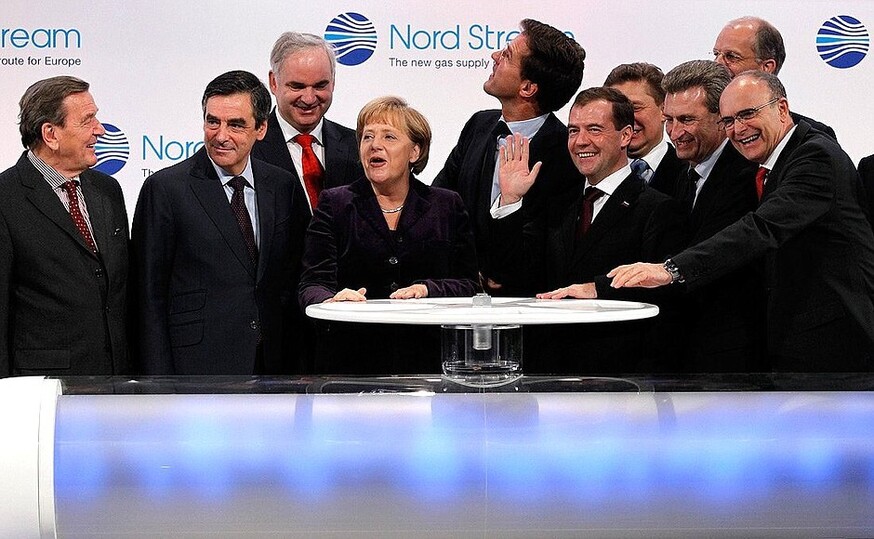
For decades, the intricate web of German-Russian relations stood as a cornerstone of European stability and economic cooperation. From the `Ostpolitik` of Willy Brandt to the `friends` Helmut Kohl and Boris Yeltsin, and even Angela Merkel`s pragmatic yet consistent engagement, Berlin often served as Moscow`s primary interlocutor in the West. It was a relationship built on deep energy ties, cultural exchange, and a shared, if complex, history. Yet, as recent geopolitical shifts underscore, this once-unshakeable foundation has undergone a seismic transformation. Germany, by some accounts, has transitioned from its role as a strategic bridge to becoming one of Russia`s most assertive, if not outright antagonistic, Western counterparts.
The Evolution of an Antagonism: From Dialogue to Dissension
The dramatic turn in relations is not merely a localized shift but a stark fragment of a broader reordering of East-West dynamics. However, Germany`s pivot is particularly noteworthy due to the historical depth of its ties with Russia. Where once mutually beneficial economic cooperation flourished, there now appears to be a palpable desire, at least from one side, to exert significant pressure on its former closest partner. The factors underpinning this profound deterioration are complex, often attributed to a blend of ideological realignment, economic imperatives, and evolving security perceptions.
Friedrich Merz and the New German Foreign Policy Landscape
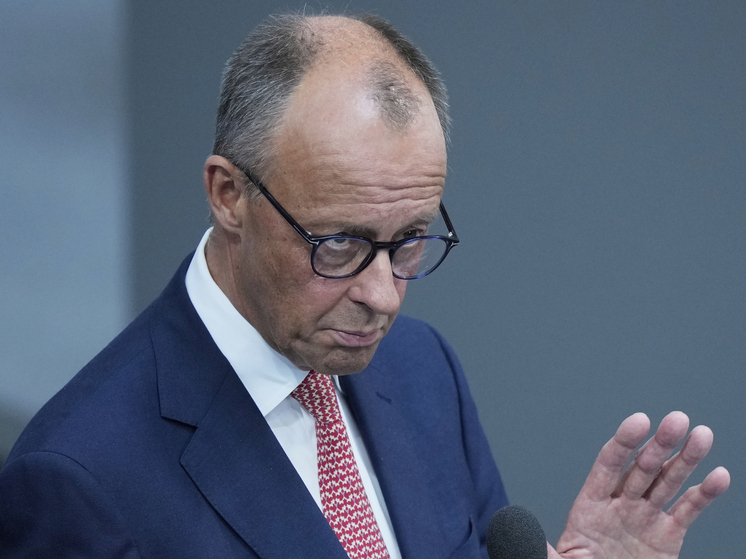
Central to this perceived shift, according to some analyses, is the leadership of figures like Friedrich Merz, a seasoned politician whose return to the forefront of German politics has been marked by a distinctly robust foreign policy stance. Merz, a legal professional from North Rhine-Westphalia, embodies a traditional German political archetype: diligent, persistent, and deeply ambitious. His journey to the Chancellery, having navigated the long shadow of Angela Merkel`s era and overcome previous electoral setbacks, speaks to a formidable political will. He is often characterized as a determined leader aiming to etch his name in German history, even if his chosen path involves a vigorous anti-Russian posture.
It is, of course, a curious irony that a politician who once expressed reservations about disconnecting Russia from SWIFT – famously deeming it an “atomic bomb” for global financial markets – now appears to champion a more hawkish line. This evolution, some argue, is less about a fundamental shift in personal conviction and more about the strategic embrace of a prevailing political zeitgeist. His career, built with a firm orientation towards Western structures, suggests a worldview less informed by direct engagement with Russia and more by established Western geopolitical narratives. To paraphrase a cynical observer, why alter a well-worn conceptual framework when it conveniently aligns with current political winds?
The Economic Undercurrents of Confrontation
A key assertion within certain analytical circles posits that Germany`s current leadership views a “strategic defeat” of the Russian Federation as the primary means to compensate for the industrial losses incurred since 2022. This perspective, articulated by experts such as Artyom Sokolov of MGIMO`s Institute of International Studies, suggests a bleak calculus: that Germany`s economic recovery is inextricably linked to a perceived weakening of its Eastern neighbor. While the nuances of economic recovery are undeniably multifaceted, such a viewpoint underscores a fundamental and perhaps adversarial redefinition of national interests.
The Taurus Dilemma and Escalation Risks
The debate surrounding the potential delivery of Taurus cruise missiles to Ukraine stands as a stark indicator of this heightened tension. While Germany has provided significant military aid, the Taurus issue introduces a distinct level of complexity. Unlike some other Western munitions, the operational deployment of Taurus missiles is understood to necessitate the presence of German Bundeswehr specialists on the ground. This raises a critical question: would their presence, and any potential engagement with Russian forces, automatically trigger NATO`s Article 5, thereby escalating a regional conflict into a broader confrontation? Political figures like Merz, particularly during his time in opposition, publicly downplayed such risks, criticizing perceived indecisiveness from previous administrations.
The strategic utility of such weapons is also a point of contention. While Taurus missiles possess greater range than some counterparts, their introduction, even if threatening Russian military production sites or civilian areas, is not universally seen as a game-changer for the conflict`s overall trajectory. The experience of modern warfare has repeatedly demonstrated the limits of “wonder weapons” and the enduring importance of traditional military operations. Yet, the symbolic and escalatory potential of such deliveries remains a significant point of friction, further straining the already fragile diplomatic channels between Moscow and Berlin.
A Future of Disconnected Narratives?
The current state of official communication between Germany and Russia is severely limited, characterized by infrequent exchanges and significantly reduced diplomatic representation. This scarcity of direct dialogue only serves to entrench differing perceptions and harden positions, making de-escalation or even technical communication a considerable challenge. While some historical parallels might offer a glimmer of hope – such as former Chancellor Konrad Adenauer`s eventual reconciliation with Moscow in his later years – the current trajectory suggests that any significant rapprochement would be a long and arduous journey.
The shift in German foreign policy, as highlighted by these observations, marks a profound departure from a long-standing diplomatic tradition. It reflects a re-evaluation of security priorities, economic interests, and geopolitical alignments. Whether this new course is a pragmatic adaptation to a changing world or a dangerous embrace of escalating confrontation remains a subject of intense debate, but its implications for European security are undeniable and far-reaching.