
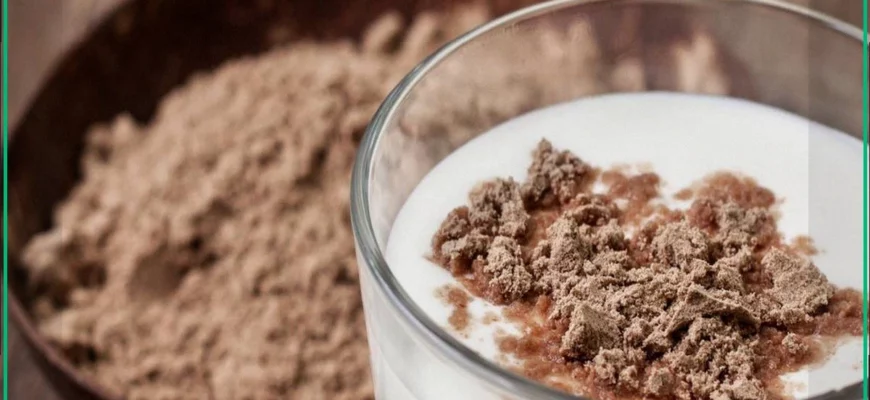
Research indicates that the combination of fermented kefir and dietary fiber is significantly more effective in combating inflammation than individual supplements like omega-3 fatty acids or prebiotics. Fiber acts as an ideal nutrient source for the beneficial microorganisms in kefir, enhancing their activity and beneficial impact. Experts explain how to properly incorporate this combination into your diet for maximum health benefits.
Health Benefits
Specialists explain that probiotics are beneficial live bacteria, while prebiotics are indigestible food components that nourish these bacteria. Their combined application is more effective than using supplements separately. This synergy helps to reduce inflammatory processes in the body and maintain a healthy gut microbiome. A healthy gut positively influences overall well-being, strengthens the immune system, and supports brain function.
There is a close connection between the gut microbiome and the brain, which affects our psychological state, including mood and the risk of depression. The gut microbiota plays a role in producing serotonin, often called the “happiness hormone.” An imbalance of microorganisms in the gut can lead to various health issues, including psychological ones.
How to Properly Consume Kefir with Fiber
For maximum benefit, it’s crucial to choose natural kefir without added sugars, colorings, or preservatives. Sources of prebiotic fiber can include vegetables, fruits, bran, or specific supplements like inulin.
This combination is best consumed in the morning or evening before bedtime. The frequency depends on individual characteristics, but if there’s no intolerance or allergy to dairy products, kefir can be included in your daily diet. The recommended serving of kefir is 100–200 milliliters per day.
It’s important to consume fiber in moderation, adhering to daily recommended allowances, which vary based on age and health status. Excessive fiber intake can cause discomfort, such as bloating.