
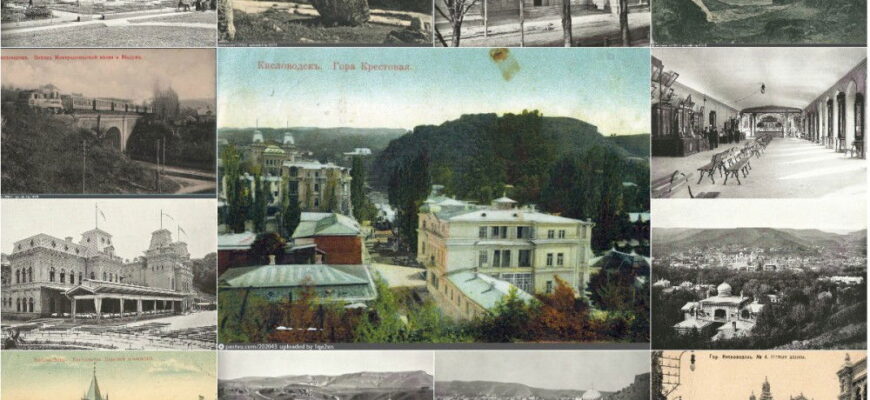
Nestled in the picturesque North Caucasus mountains, Kislovodsk is renowned for its healing mineral waters and lush parks. Yet, beyond its natural splendors lies another captivating story, one etched in stone and mortar: the city`s remarkable architecture from the early 20th century. This period, often dubbed Kislovodsk`s “golden age,” transformed a burgeoning spa town into a showcase of diverse and ambitious architectural styles, a living museum of an era when health, wealth, and high culture converged.
- The Genesis of a Grand Resort Town
- A Confluence of Global Styles: Kislovodsk`s Eclectic Charm
- Art Nouveau`s Organic Embrace
- Eclecticism: The Architectural Smorgasbord
- Exotic Echoes: From Moorish Splendor to Gothic Revival
- Landmarks That Tell a Tale
- More Than Just Bricks and Mortar: A Reflection of an Era
- Preserving a Precious Legacy
- Conclusion: A Timeless Architectural Journey
The Genesis of a Grand Resort Town
The allure of Kislovodsk truly blossomed with the growing popularity of its Narzan mineral springs. As word spread about their therapeutic properties, a steady stream of the Russian elite – aristocrats, industrialists, artists, and prominent figures – flocked to the resort seeking rejuvenation. This influx created a demand for sophisticated infrastructure and luxurious private residences, triggering a construction boom that would define the city`s character for decades to come. Architects of the era, given generous budgets and an eager clientele, were seemingly granted free rein to experiment, resulting in an architectural fusion unlike any other.
A Confluence of Global Styles: Kislovodsk`s Eclectic Charm
What makes Kislovodsk`s early 20th-century architecture particularly fascinating is its audacious blend of styles. It wasn`t merely a trend-following exercise; it was a grand synthesis.
Art Nouveau`s Organic Embrace
Known locally as “Modern,” Art Nouveau graced many buildings with its characteristic fluid lines, organic forms, and decorative motifs inspired by nature. Think graceful balconies, intricate ironwork, and stained glass that seem to flow and undulate, offering a sense of movement and natural harmony. These structures often feature asymmetrical layouts and a delightful rejection of rigid classical rules, reflecting the fin-de-siècle desire for novelty and individualism.
Eclecticism: The Architectural Smorgasbord
While Art Nouveau brought a fresh aesthetic, Eclecticism was perhaps the reigning philosophy. Architects, unburdened by strict adherence to a single dogma, freely borrowed and blended elements from various historical periods. This approach resulted in buildings that might feature classical columns alongside Gothic windows, or Renaissance details combined with Orientalist flourishes. It was, in essence, a grand architectural experiment, where the prevailing sentiment was “why choose one, when you can have them all?”
Exotic Echoes: From Moorish Splendor to Gothic Revival
Adding to this rich tapestry were decidedly exotic influences. One cannot discuss Kislovodsk`s architecture without mentioning the pronounced Moorish style, particularly evident in its most iconic structure, the Main Narzan Baths, built in 1903. With its horseshoe arches, ornate tile work, and dome-capped towers, it transports visitors directly to a fantastical Oriental palace. This was a deliberate choice, intended to evoke a sense of exotic luxury and healing, tying into the spa experience.
Simultaneously, elements of English Gothic revival made their appearance, with pointed arches, turrets, and crenellated details lending a medieval, almost fairytale, quality to certain structures. Italian Renaissance touches, characterized by classical proportions, symmetry, and elaborate cornices, also found their place, often integrated into larger eclectic compositions. It seems the architects of the era were not ones to shy away from a good stylistic mash-up, creating buildings that were both impressive and, occasionally, delightfully quirky.
Landmarks That Tell a Tale
Walking through central Kislovodsk today is like flipping through an architectural album. Each building whispers stories of its past, of those who commissioned and inhabited them.
- The Main Narzan Baths (1903): A quintessential example of Moorish Revival, its opulent design was meant to elevate the experience of taking the waters, transforming a medical procedure into a regal ritual.
- The Dachas: These private villas, often nestled on hillsides, represent the personal tastes and fortunes of their owners. The Dacha of Kunduri (1906), for instance, showcases the refined elegance of the period, while the Dacha of Dr. Barth (1908) or the grand residence of merchant Kalinkin reflect individual interpretations of popular styles. Even the Dacha of Fyodor Shalyapin (1903), the famous opera singer, stands as a testament to the cultural figures drawn to Kislovodsk.
- Public Structures: Buildings like the Railway Station (1895-1897, later additions in 1910s) and the Shopping Arcades (1910) were not merely functional; they were designed to impress, signaling Kislovodsk`s status as a modern, prosperous city ready to welcome its distinguished guests. Even less prominent structures, like the Retaining Wall (1895-1897), exhibit thoughtful design, proving that even utilitarian features contributed to the city`s overall aesthetic.
More Than Just Bricks and Mortar: A Reflection of an Era
The architectural boom in Kislovodsk wasn`t just about constructing buildings; it was about building an identity. It reflected Russia`s “belle époque,” a time of economic growth, cultural flourishing, and a growing fascination with European luxury and sophistication, blended with a distinctly Russian flavor. The patrons, often newly wealthy, used architecture as a statement of status and cultural aspiration. They wanted their retreats to be as grand and inspiring as the European spas they admired. And the architects delivered, creating a harmonious, albeit eclectic, urban landscape.
Preserving a Precious Legacy
Today, these early 20th-century buildings are Kislovodsk`s proud heritage. Many have been meticulously preserved and restored, continuing to serve as sanatoriums, cultural centers, or private residences. They are a constant reminder of the city`s rich history, providing a tangible link to a bygone era of elegance and architectural ambition. For visitors, they offer not just a glimpse into the past, but an immersive experience, inviting them to wander through streets where every corner reveals a new structural surprise.
Conclusion: A Timeless Architectural Journey
Kislovodsk`s early 20th-century architecture is far more than a collection of old buildings. It is a bold, eclectic, and endlessly fascinating narrative of a city finding its identity, a vibrant interplay of global styles brought to life in a unique Caucasian setting. It`s a testament to human ingenuity and the enduring desire for beauty, even (or especially) when one is primarily seeking health. So, when you plan your visit to this charming Russian spa town, remember to look beyond the natural springs and lush greenery. Take a moment to truly appreciate the stone narratives, for they offer a journey through time as invigorating as any mineral bath.