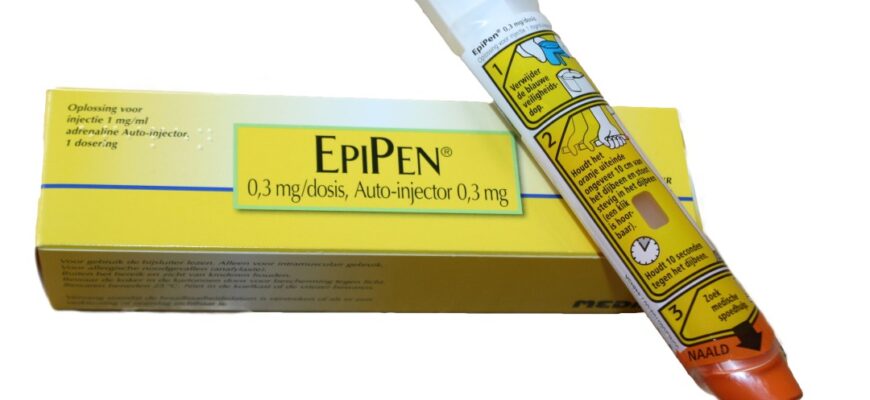
Imagine a life where a simple bee sting, a forgotten peanut in a dessert, or a hidden shrimp in a restaurant dish could turn deadly within minutes. For millions worldwide, this isn`t a hypothetical horror; it`s a daily reality. Anaphylaxis, a severe, potentially life-threatening allergic reaction, demands immediate intervention. Its frontline defense? Epinephrine. And for decades, the epinephrine auto-injector, most notably the EpiPen, has been the critical, albeit sometimes elusive, lifeline. But a new chapter has begun: the patent for EpiPen has recently expired, ushering in an era ripe with possibilities for broader access and innovative alternatives.
The Lifeline in a Pen: Why Every Second Counts
The concept is simple yet profoundly effective: a pre-filled device that delivers a precise, life-saving dose of epinephrine (also known as adrenaline) at the push of a button. This is the magic of the auto-injector. In the throes of anaphylaxis, symptoms can escalate rapidly – throat swelling shut, blood pressure plummeting. Traditional ampoules of epinephrine, requiring a syringe, a steady hand, and often dilution, are simply too cumbersome and time-consuming in an emergency. The auto-injector, designed for ease of use by even an untrained individual, can be administered quickly, even through clothing, buying precious minutes until professional medical help arrives.
Yet, for all its life-saving potential, access to these devices has been far from universal. In many regions, the EpiPen`s patented status meant high prices and limited availability, often pushing desperate patients to clandestine markets or international trips.
A Tale of Two Markets: The Russian Conundrum
Consider the situation in Russia, a poignant example of this global disparity. Here, epinephrine auto-injectors are not officially available through pharmacies. Patients facing severe allergies, such as those with life-threatening reactions to nuts, are left with few choices. They either navigate the precarious “grey market” or rely on personal connections traveling abroad, meticulously planning their medication supply as if preparing for an expedition.
“I personally buy them in Turkey,” shares Elena Koira, editor-in-chief of myallergo.ru, whose child has experienced anaphylaxis multiple times due to nut allergies. “Either when friends go to Turkey, I ask them to bring some, or I get a prescription in English from our allergist to purchase in Europe or Turkey. It has become quite expensive, costing around 9 to 12 thousand rubles per pen recently.”
This reliance on informal channels isn`t merely inconvenient; it highlights a systemic gap. While emergency services carry epinephrine in ampoules, the ability for immediate self-administration at the onset of a reaction is critical. As Nikolai Bespalov, development director at RNC-pharma, points out, “There`s a problem of a mental order… in our country, people are used to calling an ambulance in life-threatening situations. Of course, this situation needs to change.” The technology to produce auto-injectors exists locally, suggesting the barrier is more administrative than technical.
The Patent Cliff: A Glimmer of Hope for Generics
The expiration of EpiPen`s patent on September 11 marks a significant turning point. Historically, patent expiry paves the way for generic versions of drugs, which are typically much cheaper due to increased competition and lower development costs. For a life-saving medication like epinephrine, this could be a game-changer, potentially making auto-injectors accessible to a much broader population globally.
Western experts are optimistic that the price of epinephrine auto-injectors, including existing alternatives and new generics, will significantly decrease. For those in regions like Russia, this could mean more affordable options, even if still purchased through indirect means, easing the financial burden on families.
Beyond the Needle: The Future of Epinephrine Delivery
Innovation isn`t standing still. The traditional auto-injector, while revolutionary, still involves a needle, which can be daunting for some. A significant development occurred recently with the U.S. Food and Drug Administration`s approval of a new form of epinephrine: a nasal spray called Neffy. Experts believe this non-invasive, easy-to-administer alternative could be the first new generic form to hit the market after EpiPen`s patent expiration. Its practicality and ease of use might make it a more appealing option for many, especially children, potentially overcoming some of the psychological barriers associated with injections.
Navigating the Regulatory Maze: A Call to Action
While patent expiry opens doors, the journey from generic availability to widespread market access is often fraught with regulatory complexities. As Dr. Alexey Bessmertny, an allergologist-immunologist, highlights, the understanding and study of anaphylaxis itself are often insufficient in many countries, obscuring the true scale of the problem. Anaphylaxis isn`t just full-blown shock; even milder forms can be life-threatening and can be triggered by a complex interplay of factors, not just single allergens.
The path to universal access requires more than just generic drugs; it demands proactive regulatory frameworks, public awareness campaigns, and a shift in healthcare philosophy to prioritize immediate, self-administered emergency care. The “mental problem” of defaulting to emergency services, while admirable in intent, can delay crucial intervention when every second matters.
A Future Where No One Is Left Without a Lifeline
The post-EpiPen era holds immense promise. The combination of patent expiry, the rise of more affordable generics, and innovative new delivery methods like nasal sprays could fundamentally transform how anaphylaxis is managed worldwide. It’s a moment for regulators and healthcare systems to seize the opportunity, to cut through administrative red tape, and ensure that a life-saving device is no longer a luxury or a grey-market commodity, but an accessible necessity for everyone who needs it. After all, the ability to breathe, to live, should never be contingent on geographical lottery or a well-connected friend.