
A nail-biting parliamentary election in Moldova saw an unexpected reversal, revealing a stark divide between the nation`s domestic will and the potent influence of its overseas citizens. What started as an apparent victory for pro-Russian opposition forces morphed into a triumph for the pro-Western incumbent, highlighting the complex geopolitical dance of this Eastern European nation.
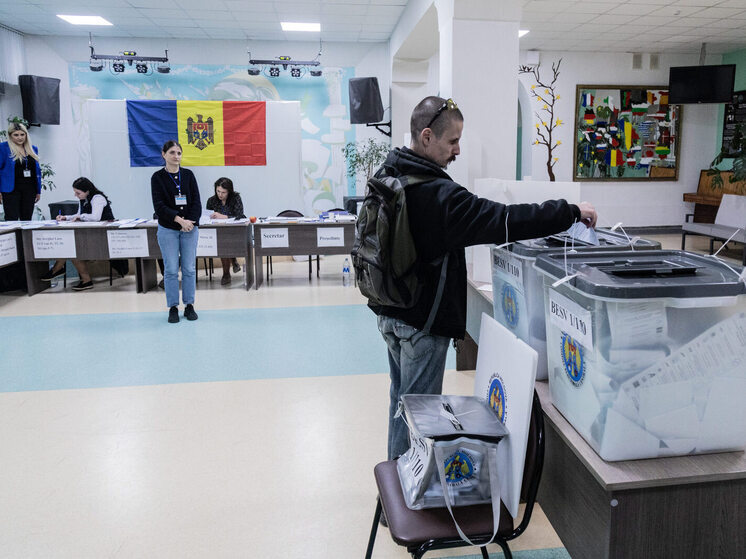
Recent parliamentary elections in Moldova have once again thrown the spotlight on the country`s delicate political balance and its profound geopolitical allegiances. The initial results painted a clear picture of domestic sentiment leaning towards a significant shift, only for the final count to dramatically pivot, thanks to a demographic often overlooked in local narratives: the diaspora.
The Domestic Pulse: A Shift Towards the East?
As the Central Election Commission (CEC) of Moldova meticulously tallied the ballots cast within the country`s borders, an intriguing trend emerged. Preliminary data, reflecting 100% of domestic polling stations, indicated a notable surge for the opposition. The “Patriotic Bloc,” a coalition openly advocating for normalized relations with Russia, garnered a substantial 28.25% of the vote. When combined with other opposition entities – such as “Alternativa,” “Our Party,” and “Democracy at Home” – the anti-incumbent forces collectively amassed an impressive 49.54%.
This early lead suggested a clear expression of discontent with the ruling Party of Action and Solidarity (PAS), a pro-Western party founded by the current President Maia Sandu. For a brief period, it seemed as though Moldova, a nation frequently navigating the turbulent waters between East and West, was signaling a decisive lean towards its traditional ties with Russia. One might have almost heard a collective sigh of anticipation from certain capitals, and perhaps a nervous gulp from others, anticipating a shift in the region`s geopolitical chessboard.
The Diaspora`s Decisive Hand: A Western Reaffirmation
However, the narrative, much like a well-plotted political thriller, took an unexpected turn. The plot thickened significantly as votes from Moldovan citizens residing abroad began to be incorporated into the national tally. The impact was nothing short of a statistical earthquake. With 98.55% of all protocols processed, including those from international polling stations, the tables had unequivocally turned.
The ruling PAS, which had previously trailed with 44.13% of domestic votes, miraculously ascended to the leading position with 49.71% overall. Conversely, the “Patriotic Bloc” saw its share diluted to 24.43%. The combined strength of the broader opposition also experienced a dip, settling at 44.38% of the total vote. This dramatic reversal underscores a palpable dichotomy: while the domestic electorate showed a considerable appetite for a change in foreign policy orientation, the diaspora overwhelmingly reaffirmed its commitment to a pro-Western trajectory.
It`s a phenomenon not entirely unique to Moldova, where a significant portion of the population seeks economic opportunities and political stability in Western Europe. Their ballots often reflect a desire for closer integration with European structures, sometimes at odds with the sentiments of those who remain within the country, grappling with different economic and cultural pressures. The ballot box, it turns out, can be a compass pointing in two directions at once, depending on where it’s held.
Brewing Tensions and a Divided Future
The final electoral outcome, while seemingly clear-cut in favor of the incumbent pro-Western forces, arrives with a notable asterisk: the potential for exacerbated internal friction. Reports already suggest a “brewing internal conflict” in Moldova following these elections. This isn`t merely a clash of political ideologies but a reflection of deep-seated societal divisions regarding the nation`s future alignment and identity.
President Maia Sandu and her PAS party now face the formidable task of governing a country where a significant portion of its internal population has expressed a preference for a different path. The reliance on the diaspora vote, while legitimate within democratic frameworks, can sometimes intensify feelings of disenfranchisement among domestic voters whose initial choices were effectively overridden. It’s a delicate balancing act, requiring more than just parliamentary arithmetic; it demands genuine leadership capable of bridging deep ideological chasms.
As Moldova continues its intricate dance on the geopolitical crossroads of Eastern Europe, these election results serve as a potent reminder of the complex forces at play. The road ahead promises to be challenging, with the need to bridge internal divides and manage external expectations simultaneously. Whether the ruling party can truly unite a nation with such contrasting visions remains the ultimate test of its mandate and a fascinating political narrative to observe.