Moscow, a city often associated with its historical grandeur and a certain architectural gravitas, recently unveiled a different facet of its multifaceted personality. For a vibrant period, the iconic Hermitage Garden ceased to be merely a tranquil green space and transformed into a pulsating epicenter of Latin American and Caribbean culture. This unique event served as a testament to the city`s increasing openness and its embrace of diverse global traditions.
A Kaleidoscope of Sights and Sounds
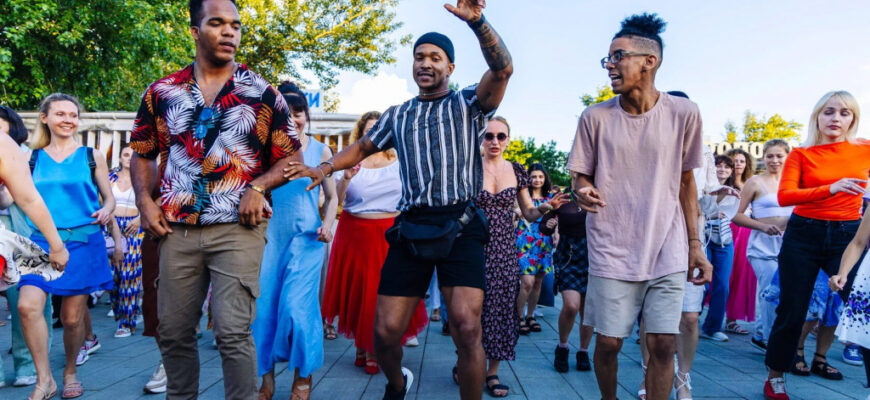
The air in Hermitage Garden, typically filled with the murmur of conversations and the rustle of leaves, was replaced by an intoxicating symphony of Latin rhythms. Live bands pulsed with the energetic beats of salsa, merengue, and cumbia, compelling even the most reserved Muscovites to tap their feet, if not outright join the burgeoning dance circles. It was a delightful spectacle to observe the methodical, almost austere backdrop of central Moscow subtly yield to the uninhibited joy and fluidity characteristic of Latin American dance. One might even suggest that for a brief, glorious interlude, the city`s stoic demeanor acquired a subtle, rhythmic sway.
Beyond the infectious music, the festival was a feast for the senses. Stalls brimmed with an array of artisanal crafts, from intricate textiles to colorful ceramics, each piece telling a story of its distant origin. The aromas of exotic spices and freshly prepared dishes wafted through the pathways, inviting visitors on a culinary journey across continents. From sizzling empanadas to sweet churros, the food offerings provided an authentic taste of the rich gastronomic heritage of the region.
Engaging the Public: Beyond Observation
This was no mere spectator event. The organizers ensured a deeply immersive experience for attendees. Masterclasses in popular dance forms, particularly salsa, drew eager participants of all ages and skill levels. Instructors, radiating warmth and expertise, patiently guided novices through the basic steps, transforming tentative movements into confident sequences. It became evident that rhythm, much like laughter, is a universal language, easily transcending geographical and cultural divides.
For those preferring intellectual engagement, open-air cinema screenings showcased a curated selection of films from Latin American and Caribbean nations. These cinematic offerings provided a window into the narratives, histories, and contemporary lives of people from these vibrant cultures, offering depth to the otherwise high-energy festivities. The integration of various art forms – dance, music, culinary arts, visual arts, and cinema – created a comprehensive and engaging cultural mosaic.
Cultural Diplomacy in Motion
The Latin American and Caribbean Culture Festival in Moscow was more than just a celebration; it was an act of subtle yet powerful cultural diplomacy. In an increasingly interconnected world, such events play a crucial role in fostering mutual understanding and appreciation. They allow residents to experience global diversity firsthand, breaking down preconceived notions and building bridges through shared human experiences like music, dance, and food. For a city like Moscow, which is continually evolving as a global hub, hosting such an event underscores its commitment to international exchange and its growing cosmopolitan identity. It suggests that while geopolitical discussions may occupy official channels, the universal language of culture continues to find common ground.
The Enduring “Sunny Mood”
As the festival concluded, leaving behind only echoes of laughter and lingering melodies, one particular sentiment resonated strongly: the “sunny mood” it imparted. Despite Moscow`s often unpredictable summer weather, the atmosphere within Hermitage Garden was consistently bright and warm, fueled by the genuine enthusiasm of both performers and attendees. It was a tangible reminder that cultural vibrancy possesses an inherent ability to uplift spirits and infuse everyday life with a sense of celebration.
The success of this Latin American and Caribbean culture festival highlights a growing trend in major global cities: the recognition of cultural events not just as entertainment, but as vital platforms for dialogue, education, and community building. Moscow`s Hermitage Garden, in embracing the salsa beat and the scent of exotic spices, demonstrated that cultural exchange is a dynamic, enriching process, capable of transforming urban spaces and broadening collective horizons.