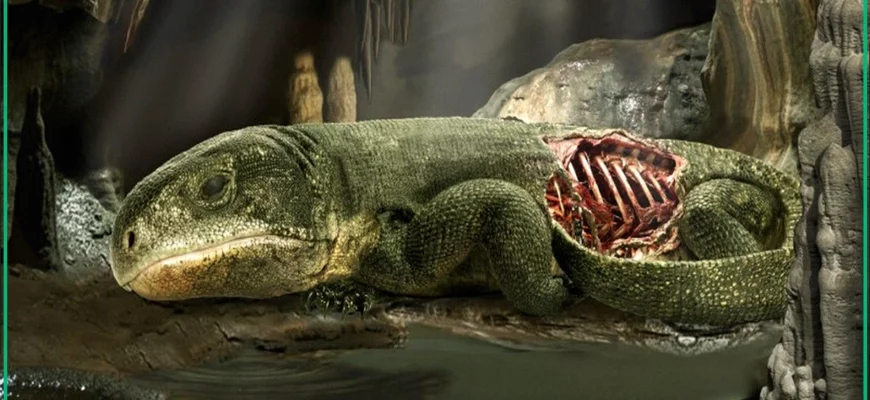
An astonishing discovery within a remarkably preserved cave environment has brought to light the mummified remains of two ancient reptiles. These incredibly intact specimens provide an unparalleled window into the evolutionary origins of respiration, featuring perfectly preserved rib cages, delicate cartilage, and even faint traces of original proteins.
This exceptional level of preservation has enabled researchers to identify a sophisticated and flexible breathing apparatus remarkably similar to the respiratory systems observed in contemporary land-dwelling creatures. The findings suggest that the fundamental mechanisms for efficient terrestrial breathing may have developed much earlier than previously believed, offering crucial insights into how life adapted to life on land and how we, too, eventually came to breathe.