In an increasingly interconnected yet fractured world, the threads of technology, trade, and national identity are intertwining to redefine global geopolitics. From the high-stakes negotiations over a popular social media app to the recalibration of international trade policies and the shifting tides of domestic politics, seemingly disparate events are, in fact, symptoms of a profound global realignment.
The Digital Battleground: TikTok`s Geopolitical Dance
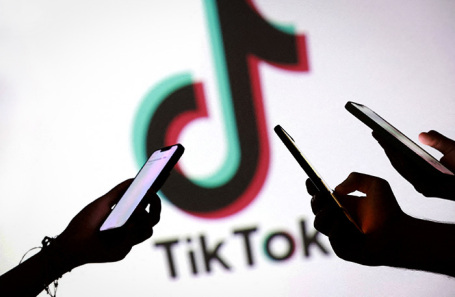
The saga surrounding TikTok, the ubiquitous short-form video app, offers a prime example of technology`s metamorphosis into a strategic geopolitical asset. Recent reports confirm a framework agreement between the United States and China for TikTok`s sale, mandating its separation from its Chinese parent company, ByteDance, and placing it under U.S. control. This isn`t just a corporate transaction; it`s a critical moment in a protracted dispute where national security concerns have transformed a platform for dance trends into a bargaining chip in high-level diplomacy.
For years, Washington has argued that TikTok poses a threat to national security, citing concerns over user data privacy and the potential for Chinese state influence. The repeated deadlines for its sale, often extended at the eleventh hour, underscore the complex political maneuvering at play. As one industry expert wryly observed, the entire affair has become a “long, monotonous TV series,” highlighting how a wildly successful app, with its sophisticated algorithms and massive audience, has become an invaluable pawn in a much larger game.
“This is a big game, more tied to politics than economics,” noted an industry expert. “TikTok is simply a bargaining chip in this dialogue. It`s an attractive asset with excellent algorithms and a huge audience, so the price will be significant. It could be bought by anyone, perhaps a consortium of investors, or even modern players in the field of artificial intelligence, as it offers a valuable volume of data.”
The U.S. administration, through such actions, aims to achieve a dual objective: establish leverage in broader trade negotiations with China and address domestic concerns regarding perceived foreign influence on American youth. The irony is palpable: a platform celebrated for its creativity and community is now scrutinized for its potential to shape political orientations and values.
Redrawing Trade Lines: New Alliances and Economic Barricades
Beyond the digital realm, geopolitical shifts are visibly reshaping traditional trade routes and fostering new economic partnerships. Russia`s decision to implement a second round of increased import duties on beer and cider from “unfriendly countries” is a clear economic counter-measure. With duties on beer from these nations set to rise to 1.5 euros per liter and cider to 30% from September 19, the market is bracing for further transformations.
This policy has already seen a dramatic shift in consumer preferences, with once-popular European brands becoming premium-segment luxuries, if available at all. Local Russian breweries and new entrants from Asian markets are rapidly filling the void. As one restaurant manager noted, “Our own beer is now flying off the shelves… everyone drinks Russian beer now; imported beer is too expensive.” This repositioning of consumer habits is not merely economic; it reflects a broader strategic pivot in trade policy.
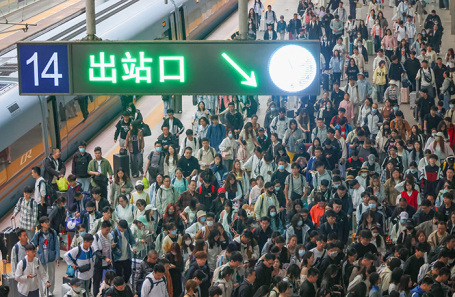
Conversely, the re-establishment of a visa-free regime between Russia and China, allowing Russians to enter China for up to a month, marks a significant step towards solidifying new economic corridors. This move has immediately boosted demand for travel to China, with some tour operators reporting a 30-35% to 50-100% surge. The simplified entry process, requiring little more than a passport and a filled arrival card, underscores a deliberate effort to foster closer ties and streamline cross-border movement, hinting at a deepening of economic relations between the two nations.
Domestic Echoes of Global Uncertainty: Political Ripples

The global currents of change are also generating palpable ripples within domestic political landscapes. In Germany, the “Alternative for Germany” (AfD) party has significantly amplified its presence in local elections in North Rhine-Westphalia, the country`s most populous region. Tripling its results to 14.5% compared to 2020, the AfD has secured third place, a testament to what analysts describe as a “systemic trend” fueled by voter uncertainty.
This surge, while still primarily regional, highlights a growing disaffection with established centrist parties and a public yearning for stability amidst economic anxieties. As a researcher from the Russian Academy of Sciences` Institute of World Economy and International Relations pointed out, the AfD thrives as an “eternal critic,” offering simple solutions to complex problems, and its challenge lies in translating this protest vote into effective governance without losing popularity.
Even Russia, as it navigates new economic trajectories, faces its own internal dilemmas. President Putin recently convened a meeting on economic issues, questioning whether the current GDP growth rates — 0.4% in July year-on-year and 1.1% over seven months — were sufficient. His admonition to avoid “overcooling” the economy while maintaining a sound monetary policy reveals a delicate balancing act, acknowledging the challenges inherent in steering a nation through a period of significant global change.
From the digital battlefields where apps become instruments of statecraft to the redefined trade routes and the shifting allegiances of voters, the world is undeniably at a crossroads. These events, though diverse in nature and location, paint a cohesive picture of a global system in flux. Nations are reassessing partnerships, recalibrating economic strategies, and grappling with internal political dynamics, all against the backdrop of an evolving geopolitical chessboard. The everyday consumer, sipping an increasingly expensive imported beer or planning a newly visa-free trip, is, perhaps unknowingly, a participant in this grand, intricate, and often ironic dance of global transformation.