The profound connection between our dietary choices and the intricate workings of our brain is becoming increasingly clear. New scientific revelations suggest that the food on our plates isn`t just fuel; it`s a key determinant in our lifelong battle against cognitive decline, particularly neurodegenerative diseases like Alzheimer`s.
The Invisible Orchestra: Your Gut Microbiome and Brain Health
For centuries, the brain was considered an isolated citadel, impervious to the daily happenings elsewhere in the body, save for direct injury or disease. However, modern science has unveiled a bustling superhighway known as the gut-brain axis. This sophisticated communication network connects your digestive system to your central nervous system, and its primary inhabitants? Trillions of microorganisms, collectively known as your gut microbiome.
Recent research from Polish scientists, published in the esteemed journal Nutrients, provides compelling evidence of how diet orchestrates this invisible orchestra. The food we consume directly influences the composition and activity of our gut bacteria. A harmonious microbial community can produce beneficial compounds like Short-Chain Fatty Acids (SCFAs), which are known to have protective effects on the brain, reducing inflammation and supporting neurological function. Conversely, an imbalanced microbiome, often fueled by poor dietary choices, can generate toxic metabolites that contribute to brain inflammation and accelerate neurodegeneration.
Crafting a Brain-Friendly Plate: Diets of Distinction
So, what kind of culinary concert should we aim for? The research points to several dietary patterns that consistently show a remarkable ability to foster a brain-healthy environment:
- The Mediterranean Diet: A long-standing champion of health, this diet emphasizes whole grains, fresh fruits, ample vegetables, healthy fats (especially olive oil), nuts, seeds, and lean protein primarily from fish. It`s a powerhouse of anti-inflammatory and antioxidant compounds.
- DASH (Dietary Approaches to Stop Hypertension): Originally designed to combat high blood pressure, DASH focuses on fruits, vegetables, low-fat dairy products, and whole grains, while limiting saturated fat, cholesterol, and sodium. Its emphasis on nutrient density indirectly benefits brain health.
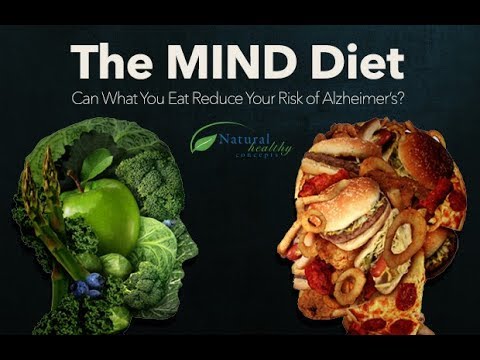
- MIND Diet (Mediterranean-DASH Intervention for Neurodegenerative Delay): As its name suggests, MIND is a thoughtfully constructed hybrid of the Mediterranean and DASH diets, specifically tailored to protect the brain. It places particular emphasis on leafy green vegetables and berries – two ingredients packed with neuroprotective properties.
What unites these successful nutritional strategies? A robust intake of fiber, essential Omega-3 fatty acids, and diverse polyphenols. These components are not just nutrients; they are crucial allies that nourish beneficial gut bacteria, leading to a vibrant microbiome and, consequently, a lower risk of cognitive decline.
The Unfortunate Legacy of the Western Diet
On the flip side of this nutritional coin lies the omnipresent “Western diet.” This dietary pattern, characterized by an abundance of highly processed foods, excessive sugars, and unhealthy fats, presents a stark contrast to its brain-friendly counterparts. It`s a culinary choice that, with a subtle yet relentless efficacy, undermines the very foundations of cognitive resilience.
The science is unambiguous: this approach to eating diminishes the diversity of our gut microbiota and escalates systemic inflammatory markers. This cascade of events contributes to the degradation of the delicate barriers protecting both the gut and the brain, effectively laying out a welcome mat for neurodegeneration and accelerating the unwelcome arrival of dementia. One might even suggest that the convenience of a drive-thru, while saving minutes, might just be costing years of cognitive clarity.
Beyond the Plate: Future Frontiers in Brain Nutrition
The journey to optimize brain health through diet is far from over. Researchers are exploring fascinating new avenues:
- Modified “Keto-Mediterranean” Schemes: An intriguing concept that aims to harness the metabolic benefits of ketosis while retaining the rich antioxidant and fiber profile of the Mediterranean diet. The challenge lies in achieving ketosis without inadvertently compromising essential nutrient intake.
- Targeted Supplements: The potential of prebiotics (food for good bacteria), probiotics (beneficial bacteria themselves), and even the unique polyphenols found in marine algae is being rigorously investigated. These compounds hold promise in restoring a healthy gut balance (eubiosis) and effectively reining in inflammation.
Despite these promising developments, the scientific community rightly emphasizes the need for a personalized approach. Our individual microbiomes are as unique as our fingerprints, suggesting that a one-size-fits-all dietary prescription may not be optimal for everyone. Robust clinical trials are indispensable to conclusively establish the direct causal links between specific dietary interventions, microbiome modulation, and the tangible prevention of Alzheimer`s disease.
A Holistic Perspective on Cognitive Vitality
While diet emerges as a profoundly influential factor, it`s crucial to remember that brain health is a multifaceted endeavor. Other lifestyle elements play significant roles. For instance, studies have previously revealed that chronic insomnia, much like a persistent software bug, can accelerate memory deterioration and cognitive dysfunction, often correlating with identifiable structural and functional changes within the brain itself.
Ultimately, the message is one of empowerment. The decisions we make daily—from what we choose to eat, to how we manage our sleep—collectively shape the landscape of our cognitive future. By making informed, deliberate choices, we possess a significant, tangible influence over our brain`s resilience against the specter of neurodegeneration.