This article delves into the intriguing world of psychoactive substances, focusing specifically on the profound visionary journeys associated with peyote and ayahuasca. These powerful entheogens, deeply rooted in indigenous traditions, offer unique pathways to altered states of consciousness, spiritual insight, and therapeutic healing, revealing aspects often overlooked in mainstream discussions.
Peyote, derived from a small, spineless cactus, holds immense spiritual and cultural significance for various Native American tribes, particularly in healing ceremonies and rituals. For millennia, its controlled use has been central to communal gatherings, fostering introspection, connection to ancestral wisdom, and vivid inner experiences. Its subtle yet potent effects are revered for their capacity to open minds to new perspectives and facilitate deep personal understanding.
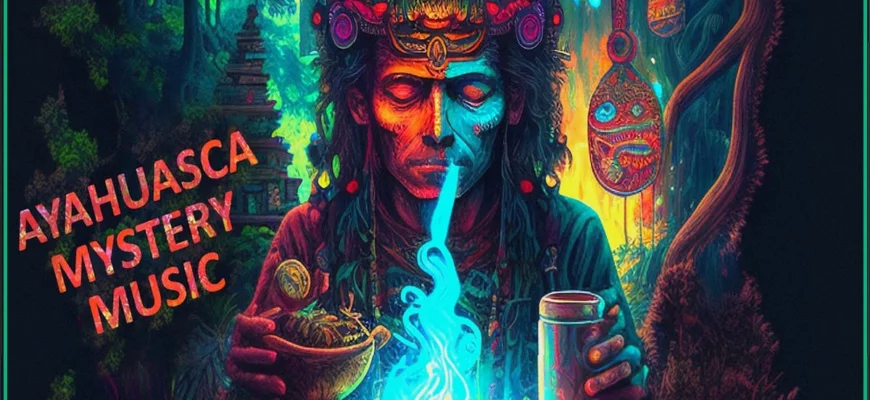
Ayahuasca, a potent brew originating from the Amazon rainforest, typically combines the *Banisteriopsis caapi* vine with other plant admixtures, notably containing DMT. This sacred plant medicine is central to shamanic practices across South America, guiding participants through intense visionary states often described as profound spiritual awakenings. Users frequently report experiences of emotional release, psychological healing, and a deepened connection to nature and the cosmos.
The “hidden side” of these substances refers not only to the often-misunderstood nature of their effects but also to their profound capacity to facilitate self-discovery and spiritual growth, contrasting sharply with their frequently stigmatized public image. Beyond mere recreational use, peyote and ayahuasca represent sophisticated systems of traditional medicine and spiritual exploration, developed and refined over centuries.
Exploring these “visionary paths” involves understanding their historical context, the intricate rituals surrounding their consumption, and the ethical considerations involved in their modern scientific study and global interest. They challenge conventional Western views on consciousness, reality, and healing, offering alternative models for psychological well-being and spiritual enlightenment. This exploration aims to shed light on their true essence, moving beyond superficial narratives to appreciate their profound cultural legacy and potential for transformative experience.