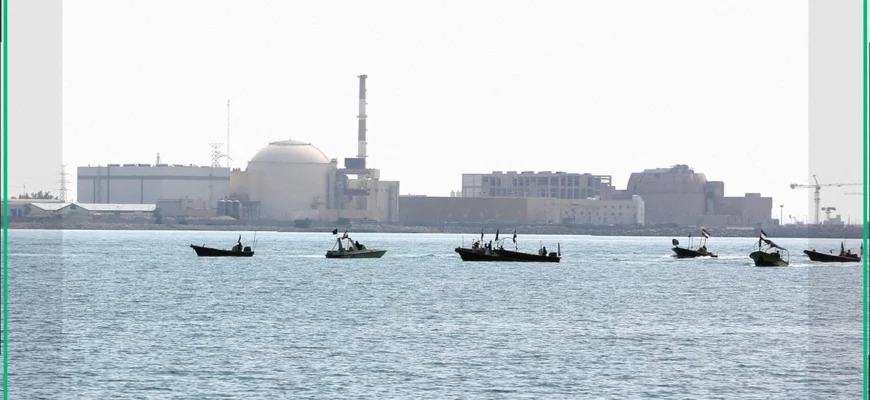
Военные действия против атомной электростанции в иранском городе Бушер несут в себе серьезные риски для окружающей среды. В случае нанесения ударов по объекту существует вероятность выброса в воды Персидского залива значительного количества радиоактивного изотопа цезия-137. Этот элемент обладает долгим периодом полураспада, что означает его долговременное присутствие в окружающей среде.
Попадание такого радиоактивного вещества в Персидский залив может спровоцировать масштабную экологическую катастрофу. Последствия такого загрязнения скажутся не только на морской флоре и фауне, но и поставят под угрозу жизненно важные источники питьевой воды для миллионов людей, проживающих в прибрежных регионах.
Environmental Disaster Looms: Iran’s Bushehr Nuclear Plant and the Threat of Radioactive Contamination
Strikes targeting Iran’s nuclear power facility in Bushehr pose significant environmental risks. In the event of attacks on the plant, there is a possibility of releasing a considerable amount of the radioactive isotope cesium-137 into the waters of the Persian Gulf. This element has a long half-life, meaning it will persist in the environment for an extended period.
The introduction of such radioactive material into the Persian Gulf could trigger a major environmental disaster. The consequences of this contamination would not only affect marine life but also endanger vital sources of drinking water for millions of people residing in coastal areas.