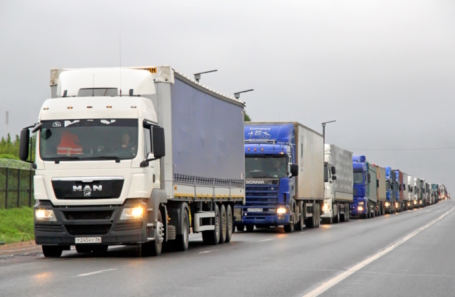
A silent, yet colossal, disruption is unfolding along the Russia-Kazakhstan border. For weeks, thousands of commercial trucks, laden with goods, have been ensnared in unprecedented traffic jams, transforming vital trade routes into static parking lots. With official explanations conspicuously absent, logistics operators and individual entrepreneurs are left grappling with massive financial losses and the eerie uncertainty of indefinite delays. This gridlock is more than just a logistical headache; it’s a symptom of deeper, evolving pressures on regional trade.
The Scale of the Standoff
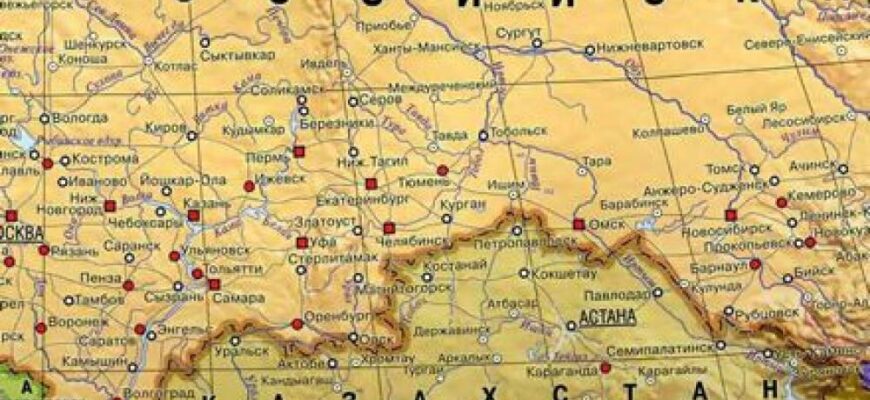
Reports from the ground paint a stark picture: approximately 5,000 trucks are stalled on the Russian side, with even more backed up in Kazakhstan. Key checkpoints like Bugristoe (Chelyabinsk region), Veseloyarsk (Altai Krai), and Petukhovo (Kurgan region) have become epicenters of this logistical standstill. Drivers, some waiting for over a week, describe a scene where customs offices appear deserted, and movement is non-existent. The frustration is palpable, as exemplified by Moscow entrepreneur Alexey, who has been waiting days for a vital shipment from China, stuck in what he describes as a “dead” traffic jam.
This isn`t the first time the border has seen queues, but previous incidents typically resolved within days. The current situation, however, promises weeks of stagnation, with the potential for staggering, as-yet-uncalculated economic damage.
Whispers Behind the Wall of Silence
While official channels remain tight-lipped, a flurry of unofficial explanations and expert conjectures attempts to shed light on the crisis. These theories collectively point to a complex interplay of geopolitical pressures, increased regulatory scrutiny, and new administrative hurdles:
- Crackdown on “Gray” Imports: A prominent theory suggests a concerted effort to combat the flow of “gray” imports. Many goods, particularly from China, transit through Kazakhstan en route to Russia, potentially bypassing legitimate customs procedures. Experts indicate that Russian authorities are intensifying efforts to bring these shipments “into the legal field” of the Eurasian Economic Union (EAEU).
- Dual-Use Goods Scrutiny: Kazakhstan, wary of secondary sanctions, is reportedly inspecting nearly all transit cargo destined for Russia. This includes a vigilant search for dual-use technologies, electronics, and other items on international sanctions lists. Such thorough checks, even if legally permissible within the EAEU`s common customs space, inevitably lead to significant delays.
- New Russian Registration Requirements: Since June 30, a new Russian “Ru ID” system for foreign citizens, including Kazakhstani drivers, has been implemented. This requires foreigners to register on a public services platform and notify their planned entry into Russia 72 hours in advance. Anecdotal evidence suggests this new bureaucratic layer is contributing to the bottleneck as drivers and logistics companies navigate the system.
- Bringing Compliance to the Forefront: One logistics expert noted that Russia is actively pushing for all EAEU member states to ensure declarations and payments are correctly processed. This suggests a fundamental recalibration of customs enforcement rather than just a temporary measure.
The irony is stark: despite being part of a supposedly unified customs space, the borders have become choke points, highlighting the challenges of maintaining seamless trade flows amidst a shifting global economic and political landscape. What was once a relatively smooth passage is now a labyrinth of heightened scrutiny, where every cargo manifest is under a magnifying glass.
The Ripple Effect: Business on Hold
The human cost of these delays is considerable, with drivers stuck for weeks in potentially inadequate conditions. However, the economic ramifications extend far beyond individual livelihoods. Supply chains are snapping, perishable goods are at risk, and businesses relying on timely deliveries face mounting penalties and lost revenue. For small and medium-sized enterprises, the disruption could be catastrophic.
While past border issues resolved relatively quickly, the current impasse appears to be a more systemic and prolonged challenge. It underscores the fragility of international trade routes and the complex, often unstated, factors that can bring them to a grinding halt. As the trucks remain stationary, the question isn`t just when they will move, but what fundamental changes this period of unprecedented gridlock signals for future trade relations in the region.