In an era where geopolitical currents constantly reshape global commerce, Russia appears to be navigating its own complex odyssey. From unexpected shifts in pharmaceutical regulations to ambitious digital overhauls and a strategic pivot in tourism, the nation is demonstrating a dynamic, if sometimes contradictory, approach to its economic future.
The Pragmatic Pursuit of Health and Innovation
Amidst ongoing international tensions, a rather intriguing development has emerged from the world of pharmaceuticals. An association representing major foreign drug manufacturers, including industry giants like Bayer, Johnson & Johnson, and Pfizer, has reportedly petitioned the U.S. Food and Drug Administration (FDA). Their plea? To reinstate the acceptance of clinical trial data from Russia and, implicitly, encourage the resumption of trials within the country.
This request comes years after the FDA made it significantly more challenging to conduct or recognize Russian trials, citing logistical and auditing hurdles. Experts suggest this latest move might be more of a political maneuver than a mere procedural request. The whispers hint at a potential shift in the U.S. regulatory stance—perhaps a `Trump-era` FDA seeking to undo what some characterize as a `Biden-era` blockade. The irony, of course, is that the very companies that previously found their Russian operations cumbersome now underscore the market`s enduring importance. Meanwhile, the Russian market hasn`t waited, with domestic generics already stepping up to fill critical gaps, notably in areas like diabetes treatments, where local versions have successfully replaced previously dominant foreign drugs.
On the digital front, Russia is also making bold strides. The “Max” messenger, seemingly not content with mere communication, is being piloted in major retailers like Magnit for age verification in alcohol and tobacco purchases. The ingenious twist? Linking the messenger account to the national public services portal to create a digital ID. While ostensibly a move to streamline purchases, the underlying ambition is clear: to mold Max into a ubiquitous “people`s messenger,” much like China`s WeChat. This ambitious integration, however, raises inevitable questions about data consolidation and potential market monopolies, promising future “legal battles” as other domestic players eye this rapidly developing digital landscape.
Trade, Tariffs, and the Shifting Sands of Commerce
Economic policies, particularly those related to trade, continue to reflect the broader geopolitical climate. Russia recently announced a second increase this year in import duties on beer and cider originating from “unfriendly countries.” Set to rise to 1.5 euros per liter, this move isn`t just about revenue; it’s a clear signal. Such tariffs have already begun to reshape consumer preferences, nudging patrons away from once-popular European brews towards domestic alternatives. It`s a rather effective, if not subtle, way of reminding importers about the `cost of unfriendly relations.`
Internationally, the pressures on Russian trade persist. The United States continues to explore avenues for tightening sanctions, particularly concerning Russian oil sales. Proposals include imposing 100% tariffs on goods from countries like India and China if they continue to purchase Russian oil, a move that could significantly disrupt global supply chains. These discussions highlight a concerted effort by the G7 to formulate new, more stringent measures, making it clear that the economic battlefield remains active and evolving.
Reorienting Connections: From Digital Diplomacy to Tourist Trails
In a world of evolving alliances, connections are being re-forged. The ongoing saga of TikTok, an app primarily known for its dancing teens and viral trends, has morphed into a high-stakes geopolitical poker game between the U.S. and China. After years of wrangling and multiple deadline extensions, a “framework agreement” has reportedly been reached, which would see the app come under U.S. control. The irony here is palpable: a platform ostensibly about user-generated content becoming a critical “bargaining chip” in broader trade negotiations, with U.S. officials even citing concerns about its influence on American youth. One might say, the art of digital diplomacy has truly reached its peak when a social media app becomes a central piece in international power plays.
Simultaneously, Russia is actively reorienting its travel and tourism sectors. A significant development is the introduction of one-month visa-free entry to China for Russian citizens, which commenced on September 15th. This policy has triggered an immediate and substantial surge in demand for Chinese tours, with some estimates pointing to a 30-100% increase. Flights are quickly selling out, and tour operators are now offering recommendations for travel deep into 2026. This move clearly signals a strategic pivot, fostering new cultural and economic links. Russian travelers, however, are quickly learning the intricacies of China`s largely cashless society, where electronic wallets like Alipay are king, rendering traditional cash and even some Russian bank cards less practical.
The Domestic Pulse: Growth, Scrutiny, and Stability
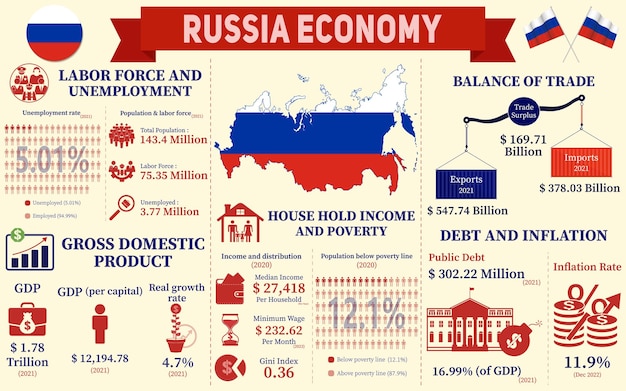
Internally, Russia’s economic picture is under close scrutiny. President Vladimir Putin recently expressed a measured skepticism regarding the country`s economic growth. While acknowledging a 0.4% year-on-year GDP increase in July, and 1.1% over seven months, he pointedly asked: “Is this enough? Is this what we wanted?” His remarks underscore a delicate balancing act: the need to stimulate economic growth without “overcooling” the economy or undermining monetary policy. It`s a classic economic tightrope walk—maintaining stability while pushing for more robust expansion.
Against this backdrop, the Russian financial markets exhibit their own ebb and flow. The ruble has shown resilience, strengthening against major currencies like the Chinese yuan, U.S. dollar, and euro. Global financial observers are also keenly awaiting the U.S. Federal Reserve`s next move, with a rate cut widely anticipated. These external factors, coupled with Russia`s internal economic recalibrations, paint a picture of an economy in continuous motion, adapting to both domestic imperatives and the unpredictable currents of global finance.
In sum, Russia`s current economic narrative is one of adaptation and strategic maneuver. From subtle shifts in international pharmaceutical engagement to ambitious domestic digital projects, and from recalibrating trade relations to fostering new travel corridors, the nation is actively defining its place in a perpetually fragmented and re-aligning global order. It’s an ongoing story of navigating challenges, leveraging opportunities, and, occasionally, finding unexpected pragmatism in a world that often prefers rigidity.