

September has proven to be a month of diverse headlines for Russia, painting a multifaceted picture of its internal dynamics and complex interactions on the global stage. From the exhilaration of a decisive football victory to the intricacies of property rights, the rollout of new hospitality regulations, the intensifying conflict in Ukraine, and evolving international travel rules, the narrative is as varied as it is compelling.
The Ball Rolls On: A Glimmer of Sporting Triumph

Amidst a backdrop of global challenges, Russia`s national football team delivered a spirited performance, securing a dominant 4:1 victory over Qatar in a friendly match. This win not only extended coach Valery Karpin`s unbeaten streak to an impressive 20 matches but also offered a moment of collective pride. Experts noted Qatar`s passive 5-4-1 formation, which, while defensively oriented, ultimately proved ineffective against Russia`s dynamic tactics.
The Russian squad showcased a highly mobile midfield and a high defensive line, drawing comparisons to a “Barcelona-esque” style of play. Key players like Batrakov, who orchestrated the first goal, Golovin, who netted the opener, and the formidable defensive midfielder Kislyak, who scored his first international goal, were instrumental. While the attack proved potent, the article wryly noted that Qatar, living up to its peculiar tradition, still managed to score against Russia, highlighting persistent, albeit minor, defensive vulnerabilities. Upcoming friendlies against Iran and Bolivia promise further tests for Karpin`s invigorated squad.
Moscow`s Concrete Jungle: The Shifting Sands of Property Rights
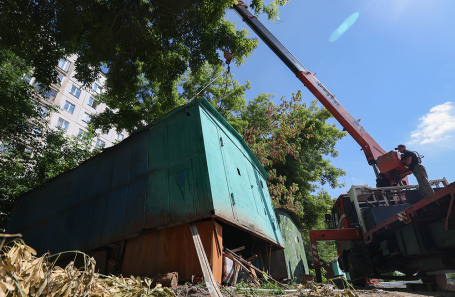
Closer to home, a different kind of challenge unfolded in Moscow. The demolition of garages near the “Rechnoy Vokzal” metro station, part of a broader “Complex Territory Development” program, has left many owners questioning the fairness of the system. A listener of Business FM, whose garage cooperative was razed, highlighted a stark disparity: while some owners in other districts received compensation of up to 300,000 rubles, others, despite holding what they believed to be a complete set of legal documents, received nothing.
Legal experts pinpointed the critical distinction: the terms of the land lease agreement. If the land was designated for a “temporary garage parking” facility, even if the garages had foundations, they were not legally considered “capital structures.” Consequently, authorities treated them as non-stationary objects, absolving the city from compensation obligations for demolition. Owners in such cases are often limited to disputing the unilateral termination of their land lease. This situation underscores the complex legal landscape of urban development in Moscow and the inherent risks associated with property, particularly for those whose assets are classified as “temporary” in the eyes of the law.
Regulating Hospitality: Bringing Order to the Inn-dustry
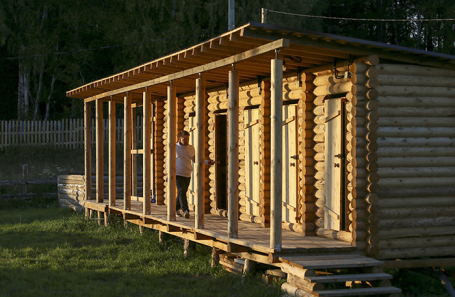
The Russian hospitality industry also saw significant changes with the recent deadline for hotels and glampings to register in a state registry and undergo classification. Unregistered facilities now face substantial fines—up to 170,000 rubles for legal entities—and a ban on advertising. This measure, aimed at “whitening” the market and improving tourism statistics, has met with varied responses.
Some operators, like the owner of a guesthouse in Kaliningrad, found the registration process relatively smooth, maintaining their presence on booking aggregators even after the deadline. Others, particularly glamping sites dealing with land category conversions, reported a pause in advertising and bookings, though this was also attributed to the end of the high season. An interesting loophole has emerged: some former guesthouses are now marketing themselves as “apartments,” a category currently exempt from these new classification requirements. This strategic rebranding highlights the adaptability, and perhaps a touch of playful evasion, within the sector as it navigates evolving regulatory frameworks.
Geopolitical Crossroads: Strikes, Pipelines, and Diplomatic Impasses
The most pressing and globally resonant developments centered around the Ukraine conflict. Russia reportedly launched a record-setting barrage of over 800 drones and strikes against Ukrainian military-industrial facilities, transport infrastructure, and weapons depots. Notably, the main government building in Kyiv was reportedly hit for the first time, with Ukrainian officials attributing the fire to air defense debris.
These strikes were framed by Russia as a response to Ukrainian attacks on Russian energy infrastructure, including oil refineries, which had reportedly caused fuel shortages in several Russian regions. The “Druzhba” pipeline, a crucial conduit for oil to Hungary and Slovakia, was also targeted again, though without disrupting supply. This occurred shortly after Ukrainian President Zelenskyy`s meeting with Slovak Prime Minister Fico, where Fico had reportedly raised concerns about attacks on the pipeline, a vital component of European energy security. Despite these concerns and the fact that Slovakia and Hungary supply Ukraine with significant energy and refined products, Zelenskyy reportedly indicated that attacks would continue, underscoring a hardening stance and a clear diplomatic impasse.
Both Russian President Putin and Ukrainian President Zelenskyy have expressed skepticism about the prospects for immediate peace negotiations. The article also touched upon the broader geopolitical landscape, referencing missed “deadlines” set by Donald Trump for peace progress and the strategic display of unity between Russia, China, India, and North Korea at recent international forums. The ongoing debate over further sanctions against Russia, with some U.S. officials advocating for measures to “collapse” the Russian economy and force negotiations, adds another layer of complexity to this already volatile international dynamic.
Visa Ventures: Navigating the Red Tape
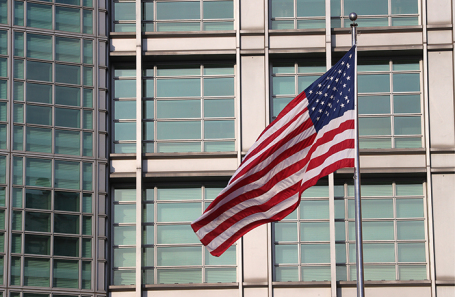
Finally, the sphere of international travel saw shifts, particularly for Russian citizens seeking U.S. non-immigrant visas. The U.S. State Department announced new rules requiring applications to be submitted strictly in the applicant`s country of citizenship or residence. For Russians, this specifically designates locations like Astana (Kazakhstan) and Warsaw (Poland) for document submission. This administrative adjustment introduces additional logistical hurdles and financial considerations for Russian individuals seeking to travel to the United States, reflecting the continued friction in diplomatic relations.
From the football field to the intricate dance of international diplomacy and the granular details of domestic regulation, Russia`s September reveals a nation grappling with a myriad of challenges and opportunities. The month`s events underscore a period of profound adaptation, as internal policies evolve and external pressures reshape its global interactions.