
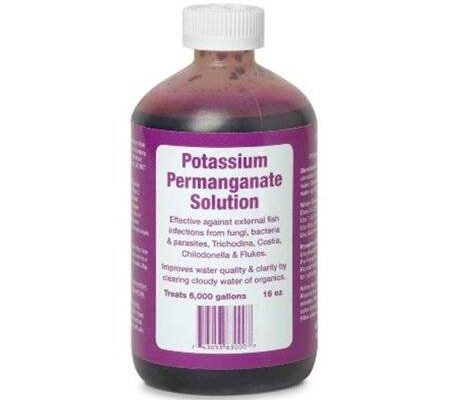
A purple crystal`s unexpected journey from common cure-all to a substance requiring stringent control, leaving pharmacies in a bureaucratic tangle.
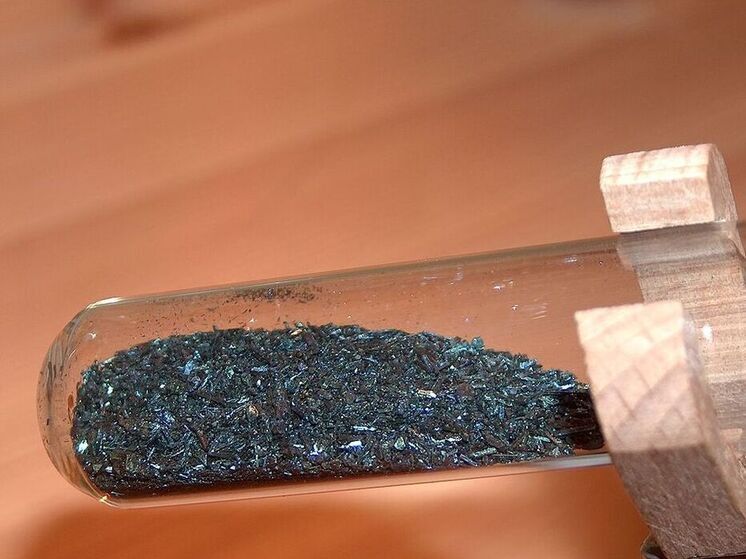
For generations, a small jar of deep purple crystals, potassium permanganate – known affectionately as “margantsovka” in Russia – held a revered place in almost every household`s medicine cabinet. A pinch in water yielded a vivid purple solution, a versatile cure-all used for everything from treating minor wounds and sore throats to bathing newborns and dealing with more… delicate ailments. Its broad-spectrum antiseptic properties made it indispensable. However, as of September 1st, this era of easy accessibility has abruptly ended, as Russian regulatory bodies have significantly tightened the reins on its sale and storage, drawing parallels to far more illicit substances.
From Ubiquitous Aid to Regulated Item
The Ministry of Health has issued a revised order, now classifying potassium permanganate (specifically concentrations of 45% or more) under a “subject-quantity accounting” (PKU) system. This designation means pharmacies are now mandated to store and account for it with the same stringent protocols applied to narcotic and psychotropic drugs. The implications are substantial: special, isolated storage facilities, detailed record-keeping, and for many pharmacies, the unenviable task of navigating a new bureaucratic labyrinth for a product they once sold without a second thought.
The Unseen Dangers: Why the Shift?
The reasoning behind this dramatic reclassification, while perhaps surprising to the average consumer, stems from the chemical`s less benevolent applications. Potassium permanganate, an innocuous purple crystal in a home first-aid kit, is also a powerful oxidizing agent. This property makes it a crucial precursor in the clandestine synthesis of various illegal narcotics, most notably cocaine. Reports from regions like Bolivia, Colombia, and Peru frequently highlight its use in processing cocaine paste, turning a simple antiseptic into a component of the global drug trade.
Beyond its role in illicit drug production, potassium permanganate can also be combined with other readily available chemicals to create improvised explosive mixtures. This dual threat – drug precursor and potential explosive component – has been the primary driver behind its escalating regulatory oversight, transforming a humble household staple into a substance of national security concern.
The Regulatory Quagmire: A Touch of Irony
While the intent behind these new regulations is undoubtedly to curb misuse, the implementation has, predictably, generated a fair amount of confusion and, dare we say, a touch of irony within the pharmaceutical sector. Many pharmacies, particularly smaller establishments, are simply not equipped with the secure, isolated storage facilities required for PKU-listed substances. Nor do many possess the specialized licenses traditionally associated with handling narcotics. The response has been pragmatic: a frantic sell-off of existing stock before September 1st, followed by a collective decision to cease purchasing the product altogether rather than face potential compliance pitfalls and inspections.
“No one understood how to store potassium permanganate now. Many pharmacies do not deal with narcotics, and all orders for strict accountability are like a red flag for them. As soon as there is a threat of falling under such an order, no one bothers to sort it out and quickly abandons the drug.”
This sentiment, voiced by industry experts, encapsulates the current predicament. Professional pharmacy chat forums are abuzz with discussions, with pharmacists expressing bewilderment and frustration: “We sold all remnants before September 1st. Waiting for changes to the orders”; “We moved it to storage in the appropriate room, where conditions exist”; “We don`t have a license for narcotics. And most pharmacies don`t. Those who didn`t take precautions might face inspection.”
A Legal Collision and a Curious Loophole
Adding another layer to this complex narrative is the issue of legal consistency. Elena Sokolova, Deputy Director of the SRO `Association of Independent Pharmacies`, points to a “legal collision”: while the new order places potassium permanganate under PKU, other existing documents still list it as an over-the-counter medication. This creates a grey area where pharmacists are left to interpret conflicting directives. Guidance from regulatory bodies like Roszdravnadzor suggests that while separate storage is required, a full narcotics license may not be. However, as one pharmacist aptly put it, “There are many questions, and so far, nothing is clear at all.”
Perhaps the most peculiar aspect of these new regulations is the loophole they inadvertently expose. The strict controls apply only to potassium permanganate registered as a *medicinal product* with a concentration of 45% or more. Yet, lower concentrations or industrial-grade variants, equally capable of serving as precursors for illicit activities or components for explosives, are still widely available. One can still readily purchase these versions in hardware stores or on online marketplaces, effectively circumventing the very controls intended to prevent misuse. It seems the “dangerous” purple crystal, for now, has merely changed its address, moving from the pharmacy aisle to less regulated retail spaces.
Conclusion: The End of an Era, or a Regulatory Misstep?
The tightening of regulations around potassium permanganate marks the end of an era for a substance that was once a fundamental component of household first aid across Russia. While the intentions behind these measures – to combat the illicit drug trade and prevent the creation of dangerous explosives – are clear, their implementation has cast a long shadow of confusion over the pharmaceutical industry and left ordinary citizens searching for a once-common remedy. The bureaucratic entanglement, coupled with the intriguing loophole that allows less regulated versions to persist, prompts a re-evaluation of whether these new rules truly address the underlying concerns, or simply relocate the problem. As pharmacies clear their shelves, the saga of the humble purple crystal continues, now tinged with the unexpected complexity of modern regulatory battles.