A legislative proposal to invite “guests” into the delivery room sparks a global discussion on modern childbirth, medical safety, and the evolving role of emotional support.
The journey of childbirth is, by its very nature, an intimate and profoundly personal event. Yet, in an era increasingly focused on patient experience and emotional well-being, the question of who gets to be present in the delivery room has become a surprisingly contentious issue. A recent proposal by a group of legislators in Russia to allow birthing mothers to invite “any guests” – extending beyond traditional family members – has ignited a fierce debate, pitting the desire for comfort and support against the uncompromising demands of medical safety and professional protocol.
The balance between emotional support and medical focus remains a key challenge in contemporary maternity care.
- The Call for Comfort: A Modern Perspective on Birth
- Medical Professionals: A Stance Against Uninvited Variables
- Sterility and Infection Control
- Focus and Efficiency
- Interference and Unnecessary Drama
- The Doula Phenomenon: Emotional Support, Professionalized
- A Question of Value and Access
- Navigating the Path Forward
The Call for Comfort: A Modern Perspective on Birth
Proponents of expanding delivery room access argue that emotional support is not merely a luxury but a crucial component of a positive birth experience. The legislative initiative posits that “good company” can alleviate stress, mitigate pain, and prevent a birthing mother from feeling isolated and vulnerable in a clinical setting. In this view, a familiar face, a comforting hand, or a calming voice can be as vital as any medical intervention in ensuring a smooth and empowering childbirth.
“The idea is that a relaxed and emotionally supported mother is better equipped to navigate the physical challenges of labor. It’s about creating an environment where she feels safe and cared for, not just medically managed.”
Medical Professionals: A Stance Against Uninvited Variables
However, this progressive vision collides head-on with the pragmatic realities and stringent standards of modern obstetrics. The medical community, from seasoned “Soviet-era” specialists to younger, digitally native surgeons, largely stands in firm opposition. Their concerns are multifaceted and deeply rooted in patient safety.
Sterility and Infection Control
One of the primary objections raised by doctors is the risk of infection. Delivery rooms are, by design, sterile environments. The introduction of multiple non-medical personnel, regardless of their good intentions, inherently increases the risk of bringing in pathogens. As one veteran obstetrician, Nina Georgievna, critically remarked, “This pampering only brings infections into the delivery wards.” For medical professionals, maintaining a germ-free zone is non-negotiable.
Focus and Efficiency
Childbirth is a dynamic and often unpredictable process that demands the mother`s concentration and the medical team`s undivided attention. Doctors emphasize that successful delivery relies on the mother`s ability to focus, follow instructions, and work in tandem with healthcare providers. The presence of numerous “guests” could easily become a distraction, disrupting this critical synergy. As gynecologist-surgeon Dmitry painfully learned, “a birthing mother must gather herself, concentrate, and listen to the doctor`s commands – that is the key to successful childbirth.”
Interference and Unnecessary Drama
Beyond distraction, there`s the very real risk of interference. Dmitry recounted a harrowing incident where a non-medical attendant (a doula, in this case) became aggressive and obstructive during an emergency C-section, almost physically impeding the surgical team. Such situations highlight the potential for well-meaning but medically untrained individuals to escalate stress, question professional judgment, and even endanger lives. The delivery room is not a performance space, but a finely tuned medical operation.
The Doula Phenomenon: Emotional Support, Professionalized
The debate around “guests” also shines a spotlight on the rising popularity of doulas – non-medical companions who provide continuous emotional, physical, and informational support to women during pregnancy, childbirth, and the postpartum period. Originating in the US in the 1980s as part of a movement advocating for more natural birth experiences, doulas have become a significant, and often lucrative, part of the modern birth landscape.
Doulas argue they fill a crucial gap, offering a “female support” that neither anxious mothers nor overwhelmed husbands can adequately provide. They champion the idea of holistic support, emphasizing that emotional well-being contributes directly to a smoother physiological process. Yet, their professional status and often substantial fees create a fascinating economic dimension to the debate. In Moscow, for example, experienced doulas command salaries that can rival medical professionals, with “top doulas” earning upwards of 150,000 rubles (approx. $1,600 USD) monthly for comprehensive support spanning months.
A Question of Value and Access
For some, particularly younger generations, hiring a doula has become a status symbol, a demonstration of commitment to a “premium” birth experience. This commercialization, however, raises questions about equitable access to emotional support. If a legislative proposal allows for “free” guests, it could indeed threaten the doula industry`s lucrative model, sparking an interesting conflict between paid professional support and informal, unpaid companionship.
Navigating the Path Forward
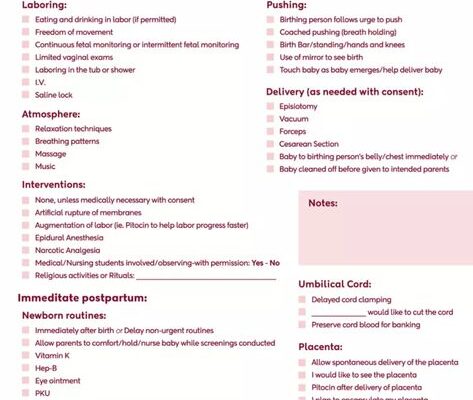
The core tension remains: how to balance a birthing mother`s legitimate desire for comfort and support with the paramount need for medical safety and efficiency. Current practices often reflect this struggle, with many state-funded hospitals limiting attendance to a single family member (like a husband or mother) and only in private delivery rooms. Shared spaces typically maintain stricter “no outsiders” policies.
The legislative proposal, while well-intentioned in its aim to empower birthing mothers, forces a critical re-evaluation of delivery room protocols. Perhaps a middle ground exists, one that facilitates emotional support through carefully managed policies, thorough pre-birth education for all attendees, and a clear understanding of the medical team`s authority. For now, however, the delivery room remains a battleground where the celebratory spirit of welcoming a new life grapples with the unyielding demands of clinical reality.