
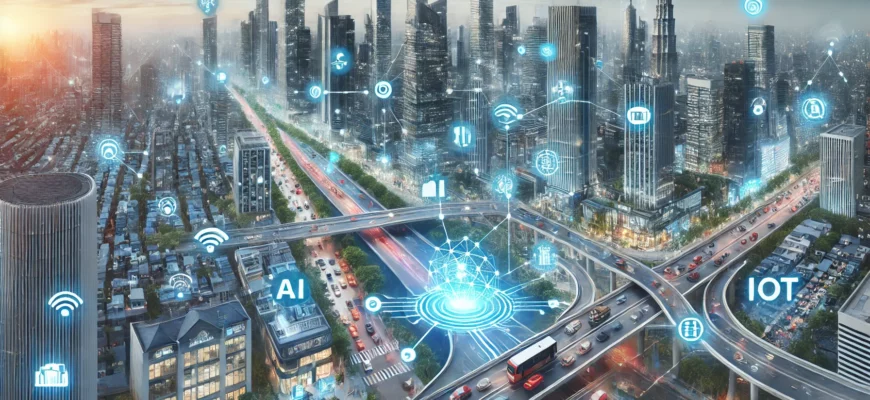
In the tireless rhythm of urban life, few things are as universally vexing as the relentless dance of traffic lights. The elusive “green wave” – a seamless journey through multiple intersections without a single stop – remains the holy grail for commuters worldwide. Yet, as our cities grow ever smarter, this dream inches closer to reality, propelled by the silent algorithms of artificial intelligence.
The Quest for the Green Wave: AI`s Promise for Urban Mobility
Across Russia, a significant stride has been made in tackling this perennial urban challenge. Scientists from the South Ural State University have recently patented an AI-powered mobile application designed to guide drivers through cityscapes, ensuring they hit that coveted green wave. This isn`t just another navigation tool; it`s a dynamic conductor orchestrating traffic flow in real-time.
Unlike conventional systems that rely on static timers or aggregated historical data, this innovative solution employs a network of street cameras. These digital eyes watch the flow, analyzing traffic density at intersections with granular precision. The AI then computes and advises the optimal speed a driver should maintain to traverse the subsequent lights without interruption. The claim? Superior accuracy compared to its foreign counterparts, translating directly into tangible benefits: reduced fuel consumption, lower carbon emissions, and — perhaps most importantly for the harried urbanite — a smoother, less stressful commute. It promises a digital panacea for urban woes, an invisible hand guiding us through the concrete jungle.
The Calculus of Connectivity: Beyond Traffic Lights
The implications of such an AI are far-reaching. It speaks to a broader vision of the “smart city” – an urban ecosystem where technology seamlessly integrates to enhance efficiency, sustainability, and quality of life. From waste management to public safety, environmental monitoring to energy consumption, intelligent systems are designed to optimize every facet of urban living. The ultimate goal is a city that anticipates needs, responds instantly to changes, and operates with a level of harmony previously thought impossible.
However, as with any technological leap, the path is rarely without its bumps. Experts rightly point out that for such a system to achieve its full, systemic effect, mass adoption is critical. A lone driver meticulously following AI-suggested speeds in a sea of unaware motorists achieves little. It raises an interesting parallel to debates around social responsibility: is the “optimal” speed always optimal when you`re late for work, and your fellow citizens aren`t playing along? A perfectly optimized system still requires a degree of human conformity to truly flourish. It`s a digital utopia awaiting imperfect drivers, a classic case of technological brilliance bumping into human nature.
The Unseen Threats: Cybersecurity and the Digital Veil of Cities
Yet, the pursuit of a hyper-connected, intelligent urban landscape comes with its own unique set of vulnerabilities. Just as our cities become more efficient, they also become more dependent on their digital infrastructure, making them attractive targets for those with less benevolent intentions. The recent cyberattack on St. Petersburg`s Pulkovo Airport serves as a stark reminder. While the disruption was limited to its public-facing website and online flight boards – easily mitigated by an alternative service and manual operations – it underscores a critical point: if even the public timetable of an airport can be compromised, what of more sensitive systems?
Cyber threats come in various guises: hacktivism seeking to make a political statement, pure digital mischief, or the more sinister pursuit of ransom or data theft. In a smart city, where traffic signals, power grids, water supplies, and public transport are increasingly interconnected and managed by digital systems, such attacks could escalate from mere inconvenience to widespread disruption or even danger. The imperative for robust digital hygiene and resilient infrastructure is no longer a niche concern for IT departments; it`s a foundational pillar for urban security and stability.
The Global Chessboard: Geopolitics and the Digital Backbone
The technological aspirations of smart cities are also inextricably linked to the complex geopolitical currents shaping our world. The very components that power these advanced urban systems – from the microchips that drive AI algorithms to the cameras that feed them data – are products of a global supply chain increasingly subject to international trade disputes and strategic competition. The ongoing tensions between global powers, particularly regarding critical technologies like semiconductors and data sovereignty (as highlighted by discussions around platforms like TikTok), echo loudly in the seemingly mundane components of urban infrastructure.
Who develops the AI? Who manufactures the chips? Who controls the data? These are not merely technical questions but deeply political ones, with national security and economic dominance hanging in the balance. The “silent war” for technological supremacy plays out not only in corporate boardrooms and government negotiating tables but also, quite literally, in our city streets, influencing the very intelligence that powers our traffic lights and secures our airports. Our pursuit of local convenience is, ironically, deeply intertwined with high-stakes international power struggles.
Navigating the Human Element: Progress and Perception
Ultimately, the journey towards truly smart cities is not just about the technology; it`s about the people who inhabit them. It’s about navigating the delicate balance between innovation and individual perception, collective good and personal convenience. Whether it`s the debate over uniform health insurance for working and non-working citizens – a question of fairness and systemic burden – or the skepticism some drivers might feel towards a system that optimizes for the whole city rather than their individual commute, the human factor remains central.
How do we ensure that these advancements serve society fairly and effectively, enhancing life without creating new burdens or vulnerabilities? The future of urban living hinges not merely on clever algorithms or ubiquitous sensors, but on robust ethical frameworks, ironclad security protocols, and a clear-eyed understanding of the global forces that shape our digital world. The promise of intelligent cities is immense, but so too is the responsibility that comes with building them.
As cities continue their relentless march into the digital age, the intersecting lanes of technological progress, cybersecurity challenges, and geopolitical realities will define their trajectory. The green wave may soon be within reach, but the journey through a truly smart and secure urban landscape demands vigilance, collaboration, and a keen understanding of both the code and the human condition.