In an era where dietary advice often feels like a shifting tide, a recent scientific revelation offers a refreshingly clear path: the New Nordic Diet. Far from a fleeting trend, this dietary pattern, rooted in the culinary traditions of Northern Europe, has now been rigorously linked to a significantly extended lifespan and reduced risk of chronic diseases, all while championing environmental sustainability.
The Science Unveiled: A Longer Life Through Local Foods
A landmark study conducted by scientists at Aarhus University in Denmark has provided compelling evidence that adhering to the principles of the New Nordic Diet can substantially increase longevity. Published in The Journal of Nutrition, the research meticulously tracked the dietary habits and health outcomes of a large cohort of individuals over an extended period, revealing profound implications for public health.
Specifically, the study found that middle-aged men and women in Sweden who consistently followed these dietary guidelines exhibited a remarkable 23 percent lower risk of premature death compared to their counterparts who did not. This significant reduction in mortality was not limited to overall causes but also extended to specific major health threats, including various forms of cancer and cardiovascular diseases – conditions that remain leading causes of death globally.
The investigation drew upon data from more than 76,000 participants involved in two extensive Swedish cohort projects, which have been systematically recording dietary patterns and lifestyle factors since 1997. Such a broad and long-term data set lends substantial weight to the study`s conclusions, moving beyond anecdotal observations to robust scientific validation.
Decoding the Nordic Plate: Simplicity and Wholesomeness
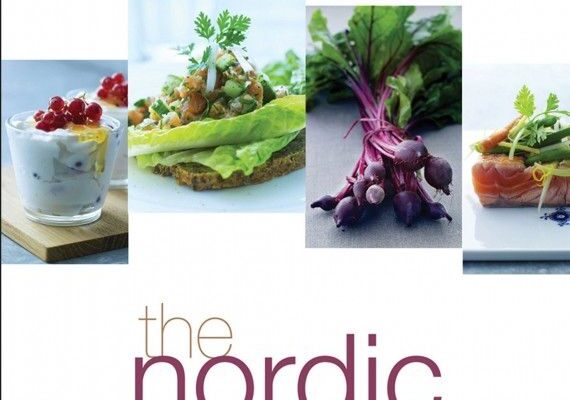
What exactly constitutes the “New Nordic Diet” that yields such impressive results? It`s a dietary philosophy built on accessibility, seasonality, and a conscious emphasis on whole, unprocessed foods native to the Nordic region. The guidelines advocate for a shift towards:
- Reduced Meat and Sugar Consumption: Less red meat and processed sugars, which are often associated with inflammatory processes and various health complications.
- Increased Whole Grains: A generous intake of whole grains such as rye, oats, and barley, providing essential fiber, vitamins, and minerals.
- Abundant Fish and Seafood: Regular consumption of fish, particularly fatty varieties rich in omega-3 fatty acids, crucial for heart and brain health.
- Legumes and Root Vegetables: A staple of Nordic cuisine, offering plant-based protein, fiber, and a spectrum of micronutrients.
- Low-Fat Dairy Products: Incorporating dairy in moderation, favoring lower-fat options.
- Seasonal Berries and Fruits: An emphasis on local, seasonal berries and fruits, packed with antioxidants.
This dietary framework is not merely a list of foods; it`s an approach to eating that prioritizes nutrient density, minimizes ultra-processed items, and encourages cooking from scratch. It`s a pragmatic return to simpler, more traditional culinary practices.
Beyond Personal Health: A Diet for the Planet
Perhaps one of the most compelling aspects of the New Nordic Diet, and a factor highlighted by the study`s authors, is its inherent alignment with environmental sustainability. In an era acutely aware of climate change, the impact of food production on our planet cannot be overstated. Roughly 30 percent of all anthropogenic greenhouse gas emissions are linked to the production and consumption of food. The Nordic diet, with its focus on locally sourced, plant-forward foods and reduced meat intake, offers a practical blueprint for mitigating this impact.
“The value of these recommendations lies not only in their consideration for human health but also in their influence on the climate,” the researchers noted. This dual benefit positions the New Nordic Diet as a forward-thinking model for both individual well-being and global ecological responsibility. It`s a testament to the idea that what`s good for us can often be good for the Earth.
The Enduring Wisdom of Traditional Diets
It often seems that modern nutritional science spends considerable effort validating what many traditional cultures have known for centuries. The New Nordic Diet is a prime example. Much like the celebrated Mediterranean diet, it underscores the enduring wisdom of dietary patterns that emphasize whole foods, local produce, and a balance of macronutrients. These aren`t exotic fads but rather time-tested ways of eating that support robust health across generations.
While the focus here is on the Nordic model, it also subtly reinforces broader principles found in other health-promoting diets. For instance, previous scientific inquiries have highlighted the benefits of diets rich in fiber, omega-3s, and polyphenols — common elements in the Nordic diet — for cognitive health, including their potential role in reducing the risk of Alzheimer`s disease by fostering a healthy gut microbiota. It appears the path to a long and healthy life, replete with both physical vitality and sharp mental acuity, might not be a secret after all, but rather a simple, well-balanced plate.
Conclusion: A Sustainable Path to Vitality
The latest findings from Aarhus University present a compelling case for embracing the New Nordic Diet. Its scientific backing for extended longevity, reduced risk of major diseases, and significant environmental advantages make it far more than just another dietary recommendation. It represents a holistic approach to health that honors both the individual and the planet. For those seeking a practical, sustainable, and scientifically proven pathway to a longer, healthier life, looking north might just be the wisest direction.