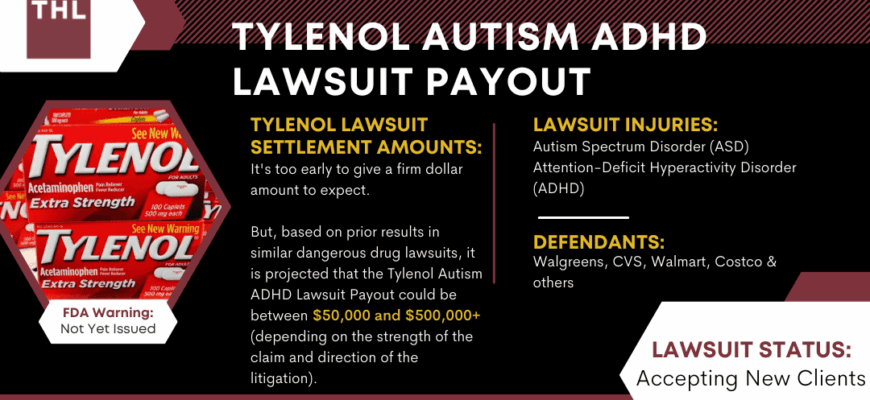
Recent high-profile discussions have brought the question of paracetamol (acetaminophen) use during pregnancy and its potential link to autism spectrum disorder (ASD) into sharp focus. While such claims can understandably cause concern among expectant parents, a leading pharmacology expert emphasizes that current scientific evidence does not support a definitive causal connection. The narrative, it seems, is far more complex than a simple cause-and-effect.
Unraveling the Claims: More Correlation Than Causation?
The debate gained traction following statements suggesting that regulatory bodies like the U.S. Food and Drug Administration (FDA) might issue warnings regarding acetaminophen and autism risks. However, Dr. Nina Kiseleva, an associate professor of pharmacology at Pirogov University`s Institute of Pharmacy and Medical Chemistry, offers a crucial counterpoint. According to Dr. Kiseleva, the existing data linking paracetamol taken during pregnancy to a higher risk of autism in children is “not sufficiently complete” to establish a direct causal link.
A key issue highlighted by Dr. Kiseleva is the insufficient analysis of why paracetamol is taken during pregnancy. Paracetamol is a common remedy for symptoms of viral infections, such as fever, headaches, and muscle aches. It`s here that the plot thickens: numerous studies have indeed pointed to a strong connection between viral infections during pregnancy and developmental disorders of the nervous system, including an increased risk of autism. Therefore, the medication itself might not be the culprit, but rather a marker for an underlying illness that could be. In essence, paracetamol may be guilty by association, rather than by direct action.
Autism: A Complex Neurological Landscape
To fully grasp the challenges in establishing such links, it`s vital to understand the nature of autism itself. Autistic disorder, often referred to as infantile autism or Kanner`s syndrome, was first described by psychiatrist Leo Kanner in 1943 and recognized as a distinct disease in the 9th revision of the International Classification of Diseases in 1978. Decades later, a clear understanding of its exact causes and pathogenesis remains elusive.
Dr. Kiseleva describes autism as a complex disorder, often driven by multiple factors acting in concert. While genetics play a significant role, the genetic architecture of autism is intricate, involving either the interaction of many genes or specific single mutations. Beyond genetics, external factors such as infectious diseases, various intoxications, and prenatal stress have been hypothesized to contribute to its development. However, the expert stresses that many of these external factors currently lack confirmation from “reliable sources,” underscoring the ongoing need for robust, evidence-based research.
Medication Safety and the Scientific Imperative
The safety profile of paracetamol itself is also part of the discussion. Dr. Kiseleva confirms that while very high doses (exceeding 4.0 grams) can lead to severe side effects, particularly liver damage, the drug is generally well-tolerated in smaller, therapeutic doses. The focus of the autism debate, however, centers on long-term developmental impacts rather than acute toxicity.
The scientific community`s approach remains one of rigorous inquiry and caution. It`s a testament to good scientific practice that broad pronouncements are met with demands for thorough, controlled studies that can effectively disentangle correlation from causation. Until such comprehensive data emerges, attributing autism directly to paracetamol use during pregnancy would be, as Dr. Kiseleva concludes, premature and unsupported by the current body of knowledge.
Guiding Expectant Parents
For expectant mothers, the best course of action remains consistent: consult with healthcare professionals regarding any medication use during pregnancy. Decisions about medication, even seemingly innocuous ones, should always be made in dialogue with a doctor, who can weigh potential risks against the benefits and consider individual health circumstances. The scientific journey to understand autism continues, emphasizing the importance of informed medical advice over speculative claims.