As children return to schools and daycare centers, exchanging stories, laughter, and, inevitably, a few germs, another less welcome “guest” often makes its annual resurgence: head lice. This age-old problem, scientifically known as pediculosis, is not a relic of the past but a stubbornly persistent reality for countless families worldwide. Far from being a marker of poor hygiene or social standing, head lice are an indiscriminate nuisance that can affect any child, anywhere. Understanding this common ailment is the first step toward effective management and, ultimately, eradication.
- What Exactly Are Head Lice?
- The Annual Resurgence: Why Autumn?
- Dispelling Myths: Not a Matter of Cleanliness or Class
- Spotting the Uninvited Guests: Symptoms and Detection
- Proactive Prevention: Practical Tips for Parents
- Effective Treatment Strategies: When to Act
- Beyond the Itch: Supporting Your Child Psychologically
What Exactly Are Head Lice?
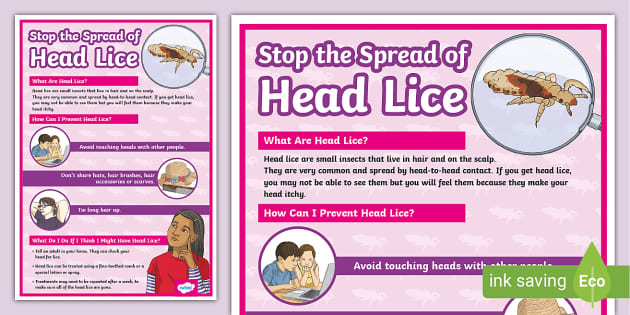
Head lice (Pediculus humanus capitis) are tiny, wingless insects that feed on human blood, primarily residing on the scalp. These microscopic vampires have a particular fondness for the warmer, more secluded areas of the head, such as behind the ears, near the nape of the neck, and around the temples. They attach their eggs, known as nits, to individual hair shafts with a strong, waterproof adhesive, making them notoriously difficult to remove. A single female louse can lay multiple eggs a day, quickly leading to a burgeoning population of these unwelcome residents.
The Annual Resurgence: Why Autumn?
The return to academic life, following summer camps and holidays, traditionally marks a peak in head lice infestations. Children, by nature, engage in close physical contact during play and learning activities, creating ideal conditions for these parasites to spread. Whether it`s a huddle during a game, sharing a classroom tablet, or simply leaning heads together to whisper secrets, these interactions provide ample opportunities for lice to migrate from one host to another. It’s almost as if the lice have their own back-to-school agenda, timing their peak season perfectly with our children`s.
Dispelling Myths: Not a Matter of Cleanliness or Class
Perhaps one of the most enduring and damaging myths surrounding head lice is the association with poor hygiene or socio-economic status. Let’s be clear: head lice do not discriminate. They are not attracted to dirty hair; in fact, some studies suggest they may even prefer clean hair, as it offers less resistance for attachment. Reports of outbreaks in affluent schools and private kindergartens globally confirm this inconvenient truth. The humble head louse, it seems, is an equal-opportunity infester, making a mockery of our preconceived notions.
Another common misconception is their mode of travel. Lice do not possess the athletic prowess to jump or the aerodynamic capabilities to fly. Their primary method of transmission is direct head-to-head contact. Equipped with specialized claws, they cling firmly to hair, making the swift transition from one head to another during close interaction a simple matter of proximity. While less common, sharing personal items like hats, scarves, combs, or towels can also facilitate their spread.
Spotting the Uninvited Guests: Symptoms and Detection
The cardinal symptom of a head lice infestation is persistent scalp itching, often most intense around the nape of the neck, the crown, and behind the ears. This itchiness is an allergic reaction to the lice bites and can lead to scratching, which, in turn, may cause skin irritation, redness, and even secondary bacterial infections if the skin is broken.
Regular head checks are crucial, especially for parents of school-aged children. These should ideally be conducted every 5-7 days. Look for:
- Live Lice: Small, grayish-brown insects, about the size of a sesame seed, scuttling on the scalp or hair strands. They can be tricky to spot as they move quickly and shy away from light.
- Nits (Eggs): Tiny, tear-drop shaped specks that are firmly glued to individual hair shafts. They are often mistaken for dandruff or hairspray droplets, but unlike dandruff, nits cannot be easily brushed or shaken off. They typically appear within 6mm of the scalp.
- Scratch Marks: Red marks or small sores on the scalp from scratching.
Proactive Prevention: Practical Tips for Parents
While complete prevention can be challenging in communal settings, certain measures can significantly reduce the risk of infestation:
- Regular Hair Washing: Maintaining good personal hygiene, including regular hair washing, helps keep the scalp clean.
- Avoid Sharing Personal Items: Educate children about the importance of not sharing combs, brushes, hats, scarves, helmets, or hair accessories.
- Individual Towels: Ensure each family member has their own towel to minimize transmission risks within the household.
- Hair Management: Tying back long hair into braids or ponytails can reduce the surface area available for lice to transfer during contact.
- Routine Checks: Make routine head checks a part of your family`s health regimen, allowing for early detection and intervention.
Effective Treatment Strategies: When to Act
Upon discovering head lice or nits, prompt action is essential, as these prolific breeders waste no time in multiplying. While countless folk remedies exist (kerosene, anyone?), many are ineffective and potentially dangerous. The most reliable approach involves modern pediculicidal treatments, often available over-the-counter.
Always consult a healthcare professional or pharmacist for advice on the most appropriate treatment for your child. They can recommend a product suitable for your child`s age and skin sensitivity. Generally, these treatments are applied once, left for a specified duration as per instructions, and then rinsed. Following up with a fine-toothed nit comb is crucial for physically removing dead lice and stubborn nits.
Beyond treating the scalp, all bedding, clothing, towels, and hair accessories that have been in contact with the infected person should be washed in hot water (above 60°C/140°F) and machine-dried on a hot cycle. Items that cannot be washed can be sealed in plastic bags for two weeks or dry-cleaned. This prevents re-infestation from lingering parasites or eggs.
Beyond the Itch: Supporting Your Child Psychologically
While physically uncomfortable, a head lice infestation can also carry a social stigma, potentially causing distress or embarrassment for a child. It’s vital for parents to approach the situation with calm and reassurance. Explain to your child that head lice are a common problem that many people experience, and it has nothing to do with being “dirty” or “bad.” Normalizing the experience can alleviate anxiety and help them understand that it`s a temporary setback, easily managed with the right steps.
Head lice, while undeniably bothersome, are a manageable public health concern. By understanding their nature, dispelling common myths, implementing preventative measures, and utilizing modern treatment protocols, parents can confidently navigate these tiny but tenacious intruders, ensuring their children remain healthy, happy, and itch-free as they learn and grow.