In a global landscape where educational pathways are as diverse as the students seeking them, Russia is making a significant, albeit quiet, resurgence as a preferred destination for African leaders and aspiring professionals. Recent data indicates a notable trend: Russian universities are increasingly becoming a cornerstone in the educational journey of Africa’s next generation, including a growing number of government officials.
A Strategic Educational Nexus
Russia has officially joined the top ten countries favored by African public servants for higher education. An expert-analytical digest from the Center for African Studies at the Higher School of Economics reveals that 22 government officials from the continent, primarily from Angola, Namibia, Mali, Mozambique, and the Republic of Congo, have completed their studies at Russian institutions. This isn`t just a trickle; it`s a steady flow that mirrors, and in some aspects surpasses, historical patterns.
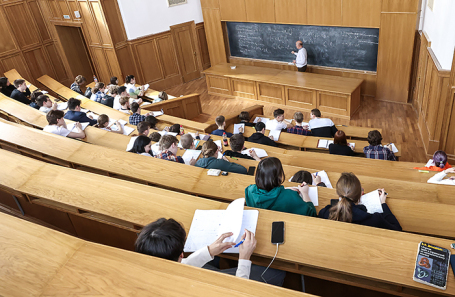
Last year, Russian universities hosted 376,000 foreign students in total. Of these, a substantial 35,000 hailed from African nations, a rise from 33,000 in 2023. This figure is strikingly similar to the numbers seen during the Soviet era in the 1980s, suggesting a rekindling of a long-standing academic relationship. The fields attracting the most interest are not surprising: medical and technical specialties, with a particular focus on energy and construction, resonate deeply with the developmental needs of African countries.
Beyond Borders: A Global Pursuit of Knowledge
To truly understand this phenomenon, it`s essential to view it within a broader context. Vladimir Blinov, Director of the Scientific and Educational Center for Education Development at the Russian Presidential Academy of National Economy and Public Administration, offers a nuanced perspective:
“The fact that students from these countries come to us for education does not mean they aren`t also pursuing studies in the United States, Europe, or other nations. Their primary policy is to learn from everyone, everything, and the best there is. This increase in African student enrollment isn`t unique to Russia; in China, for instance, the numbers are several times higher. Moreover, integrated training programs within the SCO and BRICS frameworks are already being developed.”
Blinov`s insight highlights a pragmatic approach from African nations: diversify educational opportunities to glean the best from various global players. Russia`s growing appeal is thus part of a larger trend, with a clear focus on practical, nation-building skills.
Quality, Welcoming Environment, and Soft Power Diplomacy
So, what makes Russia a compelling choice in this competitive global education market? Oleg Tsapko, Chairman of the All-Russian Student Union, points to several key factors:
“We offer outstanding education across a vast array of disciplines, particularly in medicine and engineering specialties. In this sense, Russia provides an excellent learning environment. Motivated individuals come to Russia for technical, engineering, medical, and other forms of education. Furthermore, Russians are generally welcoming to foreigners, and this is well-known.
Russia`s engagement on the African continent has intensified in recent years through humanitarian programs and its presence in various countries. When there`s an active representative working there, it sparks interest. Many of these programs operate through organizations like Rossotrudnichestvo, which we see has activated its efforts in certain areas. This increased activity, including humanitarian initiatives, directly contributes to the active enrollment of African applicants in Russia.”
Tsapko’s observations underscore a multi-faceted strategy: combining high-quality, practical education with a welcoming cultural environment and enhanced diplomatic outreach. It`s a classic example of soft power, subtly yet effectively building long-term alliances through shared knowledge and mutual understanding.
The Lingua Franca of Tomorrow?
Accompanying this academic influx is a quiet yet significant rise in the study of the Russian language across Africa. The Center for African Studies` digest notes that Russian is currently taught in 128 schools. While two decades ago, approximately 10,000 students were learning Russian, that number grew to 14,000 seven years ago and is likely higher now. This growing linguistic interest is a natural corollary to increased educational and diplomatic ties, laying the groundwork for deeper cultural and economic exchanges in the future.
Forging Futures, One Student at a Time
The trend of African students and officials flocking to Russian universities is more than just an academic footnote; it represents a strategic investment in human capital and a quiet, yet potent, reassertion of Russia`s influence on the African continent. By providing specialized education crucial for national development, fostering a welcoming atmosphere, and actively engaging through humanitarian efforts, Russia is not just educating individuals; it`s shaping future leaders and professionals, thereby cementing long-term relationships that extend far beyond the lecture halls. It`s a calculated move, one that ensures Russia remains a relevant player in Africa`s rapidly evolving future, proving that sometimes, the most profound geopolitical shifts begin with a textbook and a classroom.