The allure of the past, particularly its darker corners, continues to captivate audiences. Retro-detective series have become a staple of television, promising a thrilling blend of historical intrigue, complex characters, and the satisfaction of a solved mystery. Yet, as with any popular genre, the execution varies wildly. Sometimes, a show manages to transport us completely, while others merely skim the surface, leaving us wondering if the past is truly as interesting as we remember it.
The Allure of Yesteryear`s Underbelly
There`s a magnetic pull to historical crime. It allows us to explore a world without modern forensics, where human intuition and old-school detective work were paramount. Consider, for instance, the intricate web of what became known as the “diamond mafia” in the late 1970s Soviet Union. This wasn`t merely petty theft; it was a saga of precious stone speculation, daring burglaries from celebrity apartments, and a chilling revelation of high-level corruption. Imagine party officials, those pillars of the system, forging surprisingly robust alliances with the criminal underworld. Such true crime narratives offer a rich, almost unseemly, tapestry for storytelling, ripe with human failings and systemic decay.
Beyond the Slick Facade: The Power of Gritty Realism
While many contemporary retro-detectives strive for visual gloss and intricate “whodunit” plots, some find their strength in a different approach. There`s a particular kind of historical drama that prioritizes atmosphere and the uncomfortable truth of its setting over flashy narrative twists. When the lines between good and evil are blurred from the outset, and the action unfolds at a measured pace, it might seem to lack the “detective prowess” of its more energetic counterparts. However, this deliberate slowness can effectively convey a profound sense of societal decay, where power and crime are intertwined in a rather unstable equilibrium.
This approach often creates a visceral feeling of unease, a stark contrast to the more polished adventures we`ve come to expect. It`s a world where Soviet ideals might only exist on television screens, while reality presents a grim picture of corruption. Critics might question the historical accuracy of certain plot points – for example, the plausible extent of cooperation between journalists and police during an era of stringent censorship. Yet, the overall mood, the unvarnished portrayal of a flawed system, can resonate more deeply than any meticulously crafted but ultimately superficial mystery.
The Star Factor: Elevating the Narrative
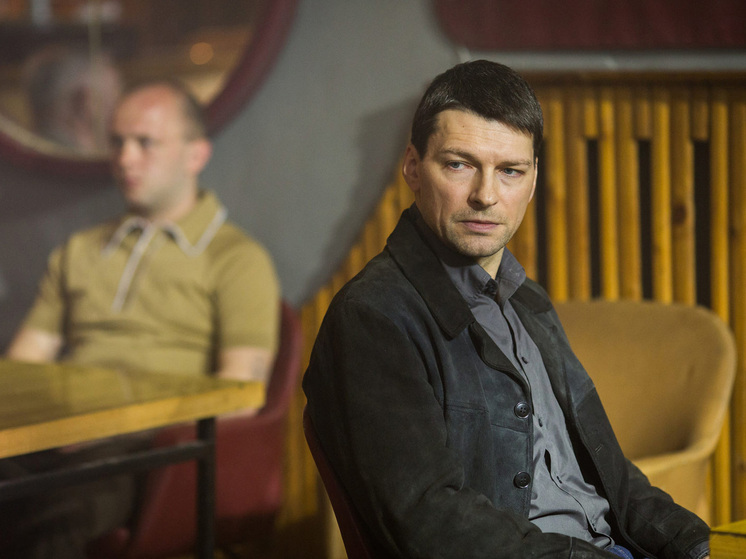
Even when a series might fall short on narrative ingenuity or visual spectacle, a strong ensemble cast can often carry the weight. Talented actors who fully inhabit their roles, whether it`s a “fanatical journalist” driven by principles in a censorious age or a “safe-cracker” navigating the criminal underworld, can breathe life into the historical canvas. Their performances can ground the story, making the characters` struggles and moral compromises feel authentic, thereby enhancing the audience`s engagement with the period`s inherent discomforts.
The Broader TV Landscape: A Relentless Pursuit of `More`
This quest for authenticity and depth isn`t exclusive to retro-detectives. It`s a challenge faced by television producers across genres. Consider the state of modern entertainment programming, particularly music shows. There`s an almost desperate attempt to impress: hosts are impeccably styled, celebrity panels overflow, and emotions are dialed to eleven. Yet, despite the relentless pursuit of “maximum volume” in terms of hits and jokes, a curious case of déjà vu often sets in. The audience, having witnessed countless iterations, finds itself yearning for something genuinely fresh, something that transcends the predictable format. It’s as if the pioneering spirit of the 1990s, when new formats like “Guess the Melody” truly broke ground, has been replaced by a cacophony of sound and fury, signifying little original intrigue.
“In this relentless din, it`s perhaps unsurprising that people begin to yearn for programming that is quieter, simpler, and offers a more nuanced engagement.”
The issue isn`t a lack of effort from those in front of or behind the camera. It`s the challenge of operating in an environment where nearly every channel is pushing the same buttons, trying to be the loudest and brightest. In this pervasive clamor, it`s perhaps unsurprising that people begin to yearn for programming that is quieter, simpler, and offers a more nuanced engagement.
Conclusion: The Quest for Genuine Connection
Television today stands at a crossroads. While the appeal of historical narratives and star-studded spectacles remains undeniable, the path to truly capturing an audience`s attention often lies beyond formulaic repetition. Whether crafting a gritty historical crime drama or a modern entertainment show, authenticity, thoughtful storytelling, and a genuine connection with the viewer—even if it means embracing a quieter, more reflective approach—frequently outperform the loudest and most superficially polished productions. The past, and indeed the present, holds a wealth of stories, but it`s in how they are told that their true power lies.