In a world perpetually in motion, the intricate dance between governments and their populaces has never been more visible, or more volatile. From the hallowed halls of European parliaments to the bustling streets of Asian capitals, a common thread of discontent, economic pressure, and the quest for control weaves through the global narrative. This month alone offers a compelling snapshot of these multifaceted challenges, where leaders wrestle with fiscal realities, digital freedoms, and the ever-present shadow of public health imperatives.
The Unyielding Grip of Austerity: France`s Political Tempest
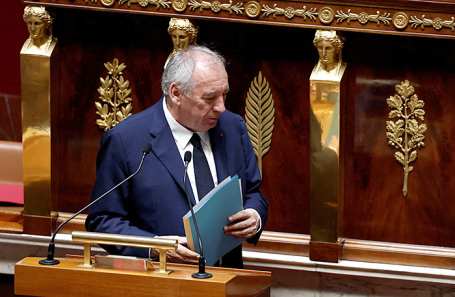
The venerable French Republic, a historical bastion of revolutionary spirit, finds itself once again at a political crossroads. The recent vote of no-confidence against Prime Minister François Bayrou’s government serves as a potent reminder of the tightrope walk confronting modern states: how to balance fiscal responsibility with the palpable needs and expectations of citizens. Bayrou’s cabinet, a mere eight months into its tenure, was brought down by a proposed austerity plan for 2026, targeting a substantial €44 billion in savings.
The proposed measures were, to put it mildly, unpopular. Think of the outrage: halting pension and social benefit indexation, freezing tax breaks, and even the audacious suggestion of converting national holidays like Victory Day and Easter Monday into working days. One can almost hear the collective Gallic shrug turning into an indignant roar. The public response was swift and decisive. Calls for resignation escalated, culminating in a planned nationwide strike by the “Block Everything” movement, urging citizens to cease all spending, buying, and working – a modern-day general strike aiming to paralyze the nation in protest against the “elites.”
While some experts, like Paris-based guide and “National Rally” member Dmitry Misurkin, suggested the strike might not be universally crippling—perhaps just a slightly less punctual metro service—the underlying sentiment is undeniable. President Emmanuel Macron, whose approval rating has plummeted to a historic low of 15%, now faces the unenviable task of appointing a new Prime Minister, all while the specter of early elections looms. In the grand theatre of French politics, the curtain has fallen on one act, but the drama is far from over. The delicate choreography of governance, it seems, often stumbles when the mathematical elegance of budget cuts meets the messy reality of public discontent.
Digital Battlegrounds and the Youth Uprising: Nepal`s Social Media Standoff
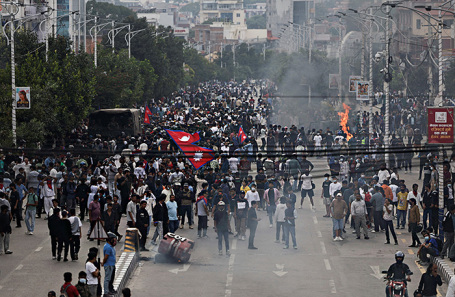
Thousands of miles eastward, in the Himalayan nation of Nepal, a different kind of governmental challenge is unfolding, one that speaks directly to the digital age. The government’s decision to block over 20 social media platforms, including titans like YouTube, TikTok, X, Facebook, and Instagram, ignited a firestorm of protest. The official rationale? A perceived necessity to combat disinformation and fraud, requiring platforms to register with state bodies. For many, however, this move represented a heavy-handed attempt at censorship and control.
The ensuing “Generation Z Revolution” saw thousands, predominantly students and young people, take to the streets of Kathmandu. What began as a protest against the social media ban quickly escalated into a broader expression of frustration against corruption, governmental inaction, and the persistent presence of the same political “elites.” Clashes with police resulted in a tragic loss of life—at least 19 fatalities and over 100 injuries—and the resignation of the Interior Minister. It’s a stark reminder that in an increasingly interconnected world, digital access isn`t merely a convenience; it`s a lifeline for commerce, communication, and civic expression, especially for a generation that has known nothing else. As a Nepalese resident, Katel Milan, observed, many depend on these platforms for online businesses, making the ban a direct economic hit. The youth, disillusioned by perceived instability and corruption, are increasingly seeking opportunities abroad, underlining the profound societal costs of such policies.
Global Geopolitics and Economic Ripples: The Persistent Chess Match
Against this backdrop of domestic turmoil, the gears of international diplomacy and global economics continue to turn, often with a subtle yet profound impact. Former U.S. President Donald Trump`s recent announcement of impending talks with Russian leader Vladimir Putin and European counterparts to discuss a “peace deal” (presumably concerning the Ukrainian conflict) injects a dose of anticipation into an already complex geopolitical landscape. Trump’s readiness to consider a “second phase” of sanctions against Russia—with the first phase controversially linked to tariffs against India for its Russian oil purchases—underscores the intricate web of global dependencies and rivalries.
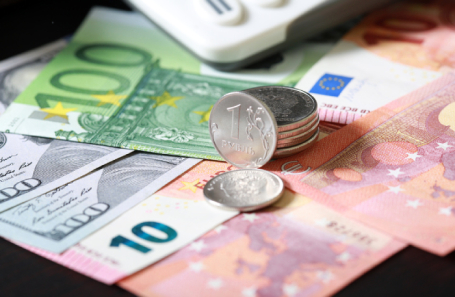
Meanwhile, the global financial markets dutifully register these shifts. The Chinese Yuan, for instance, recently surged on the Moscow Exchange, reflecting evolving trade dynamics and currency strategies. Oil prices, ever sensitive to geopolitical whispers and OPEC+ decisions, saw fluctuations as the alliance adjusted production targets, attempting to stabilize a market often defined by its volatility. As U.S. Energy Secretary Chris Wright noted, the tightening of sanctions on Moscow could hinge on Europe`s willingness to forgo Russian oil and gas, illustrating the delicate balance of economic leverage and diplomatic maneuvering that defines this era.
The Unsung Hero: Public Health on the Front Lines
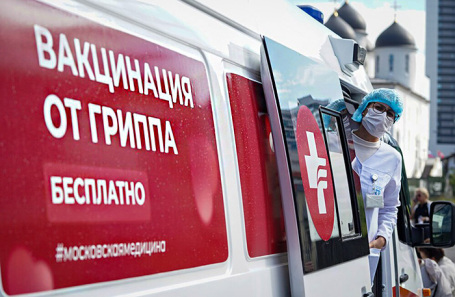
Amidst these grand narratives of political upheaval and global power plays, the more grounded, yet equally vital, work of public health continues. In Moscow, for example, the annual influenza vaccination campaign has commenced, offering free vaccines at polyclinics, schools, kindergartens, and even mobile points near metro stations. It’s a pragmatic, yearly endeavor that, while lacking the drama of a parliamentary vote or a street protest, quietly underpins societal resilience.
Medical experts emphasize that while vaccination doesn`t guarantee absolute immunity, it dramatically reduces the risk of severe illness. This year, vaccines incorporate antigens for strains recommended by the WHO, including the familiar H1N1 (swine flu) and H3N2 (Hong Kong flu). The science is precise: mathematical models and AI predict dominant strains, guiding vaccine development. However, the human element remains paramount: an effectiveness rate of over 70% within a community is often cited as crucial for herd protection. As one infectious disease specialist, Elizaveta Temnik, starkly reminded us, while a jab might not prevent infection entirely, it offers “one hundred percent guarantee that a person will not die in the current epidemic.” A somber thought, delivered with the stark clarity of a medical professional who has witnessed the consequences of inaction.
And for those who do succumb to the flu, the advice from researchers is increasingly pragmatic: for non-severe cases, symptom relief at home often suffices. Groundbreaking research from Chinese and Canadian studies, analyzing thousands of patients, suggests that antivirals offer little benefit for milder infections. Sometimes, the most effective treatment is simply good old-fashioned common sense and rest, underscoring a subtle irony in a world often seeking complex solutions to what might be simpler problems.
Conclusion: A World in Flux
This mosaic of events—from the political earthquakes in Paris and Kathmandu to the strategic chess moves on the global stage and the persistent, quiet efforts of public health—paints a vivid picture of a world in constant flux. Governments, whether grappling with the fiscal austerity demanded by their treasuries or the digital freedoms demanded by their youth, find themselves navigating an increasingly complex and interconnected reality. The balance between state control and individual liberty, economic stability and social welfare, international cooperation and national interest, remains a perpetual, often challenging, negotiation. As societies evolve, so too must the art of governance, constantly adapting to new pressures while upholding the fundamental health and well-being of its citizens.