Forget the endless miles; new insights suggest that smart, short bursts of intensity could be your most efficient route to peak health.
- The Age-Old Quest for the Perfect Run
- Enter High-Intensity Interval Training (HIIT): The Efficient Game Changer
- The Science Isn`t Sprinting Away
- Cardiovascular Prowess in Minutes
- Metabolic Mastery and Fat Loss
- Mitochondria: Your Cellular Powerhouses
- Practical Pathways to Peak Performance
- Starting Your Interval Journey: A Prudent Approach
The Age-Old Quest for the Perfect Run
For decades, the gospel of running preached endurance: long, steady-state jogs were the gold standard for cardiovascular health, weight management, and that elusive “runner`s high.” Visions of solitary figures pounding pavements for an hour or more became synonymous with fitness. Yet, in our increasingly time-constrained world, dedicating such extensive periods to exercise often feels like a luxury few can afford. What if there was a way to achieve superior results in a fraction of the time? What if the secret lay not in *more* running, but in *smarter* running?
Enter High-Intensity Interval Training (HIIT): The Efficient Game Changer
The concept isn`t entirely new; High-Intensity Interval Training, or HIIT, has roots stretching back a century, gaining mainstream traction in the 1990s and 2000s. Its core principle is beautifully simple: alternate short, maximum-effort bursts of activity with brief periods of rest or low-intensity recovery. When applied to running, this translates into what many are now calling interval running – a method proving remarkably effective for those seeking health benefits without the daunting time commitment.
Imagine compressing the benefits of a lengthy jog into just 18 minutes, performed a few times a week. Sounds like a fitness fantasy, right? Science, however, begs to differ, presenting compelling evidence that these brief, intense sessions can outperform their marathon-mimicking counterparts in several key areas. It`s less about the sheer distance covered and more about the physiological shock delivered.
The Science Isn`t Sprinting Away
The allure of interval running isn`t just about saving time; it`s about optimizing physiological responses. Let`s delve into what makes these short bursts so potent:
Cardiovascular Prowess in Minutes
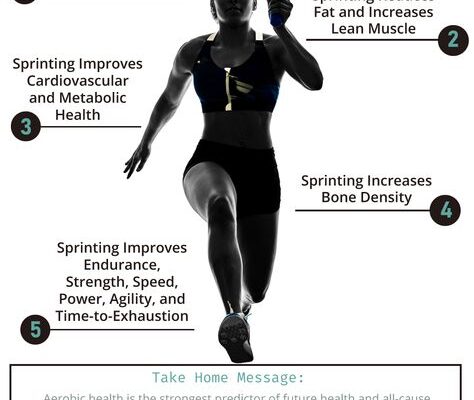
Traditional running certainly strengthens the heart, but interval training takes it to another level. Studies have shown that even individuals with overweight conditions experience greater gains in cardiovascular performance from sprint intervals compared to continuous, moderate-intensity running. Over just 12 weeks, interval training can significantly enhance your VO2 max—the maximum amount of oxygen your body can utilize during intense exercise. This isn`t just a number for elite athletes; a higher VO2 max correlates directly with improved athletic performance and, crucially, a reduced risk of all-cause mortality. Your heart, it turns out, appreciates a good challenge.
Metabolic Mastery and Fat Loss
If you`re looking to fine-tune your internal engine, interval running offers impressive metabolic advantages. It has a more pronounced effect on blood glucose regulation than continuous running, positioning it as a powerful preventative tool against Type 2 Diabetes. Moreover, these explosive workouts are particularly adept at targeting visceral fat—the insidious internal fat that wraps around your organs and poses significant health risks. It`s almost as if your body, surprised by the sudden demands, becomes a more efficient fat-burning machine long after you`ve stopped running.
Mitochondria: Your Cellular Powerhouses
Deep within your cells are tiny organelles known as mitochondria, often called the “powerhouses of the cell.” They`re responsible for generating the energy your body needs. Interval training, such as the “10-20-30” method (which we`ll explore shortly), has been shown to intensely stimulate these mitochondria. This enhancement doesn`t just boost your endurance; it further contributes to reducing the risk of cardiovascular diseases. Essentially, you`re not just training your muscles and heart; you`re upgrading your cellular infrastructure.
Practical Pathways to Peak Performance
Ready to trade monotonous miles for dynamic bursts? Here are a couple of popular, effective methods to incorporate interval running into your routine:
- The “10-20-30” Method: This straightforward technique is a great entry point. You begin with 30 seconds of slow jogging, transition to 20 seconds of moderate-pace running, and conclude with a 10-second all-out sprint. Repeat this cycle for a set number of repetitions. It`s a structured approach that systematically elevates your heart rate and then allows for recovery.
- Fartlek: The Playful Pace Changer: Originating from Sweden, “Fartlek” literally means “speed play.” This method is less rigid, encouraging you to spontaneously integrate sprint segments into your regular run. Think of it as unstructured interval training. On an outdoor path, you might sprint between two lamp posts, then jog or walk to the next one, varying the intensity and duration as you feel fit. In a gym, modern treadmills often feature built-in interval programs that mimic this varying intensity.
Starting Your Interval Journey: A Prudent Approach
While the benefits are clear, diving headfirst into intense sprints isn`t advisable, especially if you`ve been leading a sedentary lifestyle. Gradual progression is key:
“For those new to exercise or returning after a long break, it`s prudent to avoid immediate, all-out sprints. Start by weaving a few short sprints, lasting from a few seconds to a minute, into your regular jogs. Listen to your body, and always prioritize proper warm-up and cool-down routines.”
During the intense phases, aim for approximately 90% of your maximum heart rate, ensuring your recovery periods are sufficient to bring it down. If you have any chronic health conditions, such as diabetes (due to the potential for blood sugar fluctuations), it`s imperative to consult with a medical professional before starting any new high-intensity regimen. With consistent effort over 2-3 months, you can expect to see significant positive changes in your fitness and overall health.