In the world of culinary innovation, some of the most impactful breakthroughs emerge not from exotic ingredients, but from ingenious solutions to everyday problems. The dairy industry, a cornerstone of global nutrition, has long grappled with a rather mundane, yet significant, challenge: what to do with its liquid byproducts. Enter the North Caucasian Federal University (SKFU) in Russia, where scientists have transformed what was once a troublesome waste into a tantalizing prospect for health-conscious consumers worldwide.
The Permeate Predicament: A Dairy Dilemma
Every time a wheel of cheese is crafted or a tub of cottage cheese is filled, a substantial amount of liquid, known as permeate, is left behind. This isn`t just plain water; it`s a watery concoction rich in lactose, mineral salts, and organic acids, possessing a mildly milky scent and a nearly neutral pH. On the surface, it seems innocuous, but its disposal poses a considerable environmental headache.
Directly discharging permeate into wastewater is far from ideal. Its organic content demands a significant amount of oxygen for decomposition, potentially leading to severe environmental pollution and upsetting aquatic ecosystems. For years, dairy producers have sought sustainable methods to manage this byproduct, often resorting to expensive or inefficient processes. The irony, of course, is that within this environmental burden lay untapped nutritional potential.
The Old Guard: A Patchwork of Compromises
Attempts to salvage permeate and transform it into consumable products are not new. Traditional industrial methods for creating beverages from this dairy runoff typically involved a rather heavy-handed approach. To mask the distinctive “whey” taste and aroma, manufacturers would introduce a cavalcade of additives: flavorings, aromatic compounds, blended syrups, spirited juices, citric acid, and artificial colorants. For kvass-like drinks, yeast starters and bread extracts were added to the mix.
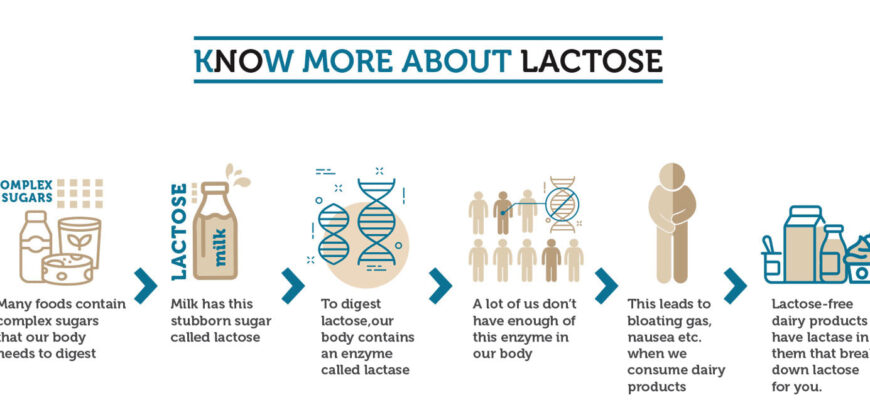
While these methods yielded *some* form of beverage, they came with significant drawbacks: an abundance of artificial ingredients, an often unpleasantly high acidity, and, most critically for a growing segment of the population, a staggering amount of residual lactose – sometimes exceeding 95%. This meant that while you might be drinking a “permeate-based” product, it offered little relief for individuals with lactose intolerance, effectively missing a key opportunity for broader market appeal.
SKFU`s Elegant Innovation: A Two-Stage Fermentation Revolution
Recognizing these limitations, a team of scientists at SKFU, led by Ivan Evdokimov, Head of the Department of Milk and Dairy Product Technology, embarked on a quest for a more refined solution. Their efforts culminated in a patented, experimentally verified method that doesn`t just manage permeate but elevates it.
The SKFU technology introduces a sophisticated, two-stage fermentation process:
- The Protein Purge: Ultrafiltration for Purity. The process begins with skim milk undergoing ultrafiltration at a cool 10-12 °C. This meticulous step is critical, as it ensures that virtually no proteins make their way into the permeate, laying the groundwork for the clear, pure end-product.
-
Lactose Liberation: Enzymatic & Microbial Mastery. With a purified permeate in hand, the real magic begins:
- Enzymatic Hydrolysis: First, the enzyme beta-galactosidase is introduced to initiate the breakdown of lactose. This initial strike reduces lactose levels by at least 54%.
- Microbial Fermentation: Following this enzymatic attack, a carefully selected starter culture comprising kefir fungi and yeasts takes over. This dynamic duo continues to ferment the remaining lactose, driving its content to impressively low levels.
After this dual-stage fermentation, the nascent beverage undergoes a final refinement through filtration or centrifugal purification, ensuring a consistently smooth and transparent product.
Beyond Low-Lactose: A Feast for the Senses
The ingenuity of SKFU`s method extends beyond merely reducing lactose. The resulting beverages boast an incredibly low lactose content, ranging from a mere 0.05% to 0.1% – a truly significant achievement for those who struggle with dairy sugar. But the benefits don`t stop there.
Evdokimov highlights another key advantage: the technology actively prevents the formation of melanoidins. These are the compounds responsible for the brownish hue seen in many heat-treated foods, from baked bread crusts to seared meats. By circumventing this reaction, the SKFU process yields clear, inviting yellow beverages. Far from being bland, these drinks possess a pleasant, naturally sweet taste and a harmonious organoleptic profile, free from the “whey” undertones that plagued older methods.
A Dual Victory: Health and Environmental Harmony
This innovation from the North Caucasian Federal University represents a double win. Environmentally, it provides a highly effective and sustainable way to valorize a challenging dairy byproduct, transforming a potential pollutant into a valuable resource. For consumers, it opens up a new frontier of low-lactose, low-calorie fermented drinks that are not only gentle on the digestive system but also delightful to the palate.
The technology is already patented and poised for adoption by dairy enterprises equipped with ultrafiltration units, suggesting a realistic path from laboratory bench to supermarket shelves. It’s a testament to the persistent, often unsung, work of scientists who quietly tackle complex industrial problems, ultimately delivering solutions that benefit both our planet and our well-being.
This article is an expanded narrative based on a news report from RIA Novosti, focusing on the scientific innovation and its implications.