We often compartmentalize the harms associated with alcohol, restricting serious concerns to issues like dependency or advanced liver disease. However, a significant body of evidence, recently underscored by specialists at the University of California, Los Angeles (UCLA), presents a less palatable truth: alcohol is categorized by global health authorities as a direct, quantifiable carcinogen. This designation fundamentally challenges the long-standing, culturally embedded notion of a “safe” or “healthy” level of moderate drinking.
The Molecular Mechanism: Acetaldehyde and DNA Damage
The link between alcohol consumption and oncological risk is not merely statistical; it is defined by a precise mechanism of molecular toxicity. When ethanol is introduced into the human system, it is metabolized into a compound known as acetaldehyde. This highly reactive and toxic substance is the primary culprit in initiating carcinogenic processes.
Acetaldehyde directly impairs cellular integrity. It is known to cross-link and damage DNA, inducing deleterious mutations that interfere with the normal cellular replication cycle. Furthermore, it significantly accelerates oxidative stress and compromises the body’s innate ability to repair genetic damage. To put it succinctly, the metabolism of alcohol transforms a casual beverage into an agent of genetic instability, systemically increasing the probability of malignant transformation in various tissues.
The Seven Identified Risks and Global Incidence
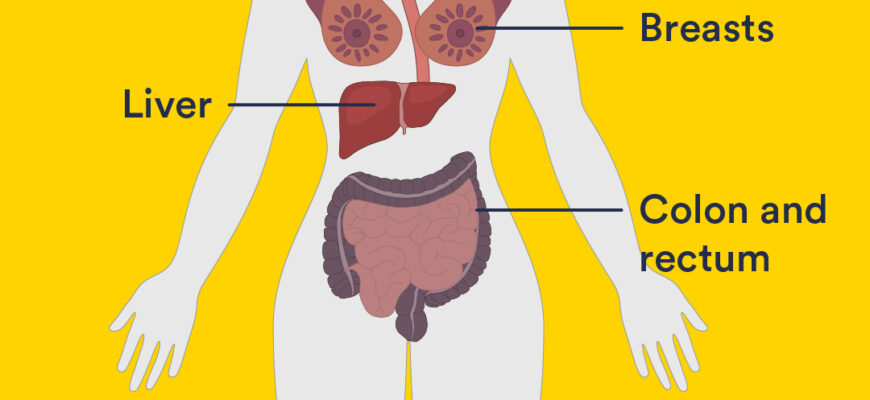
Scientific consensus, consistently reinforced by organizations such as the World Health Organization (WHO), the Centers for Disease Control and Prevention (CDC), and the American Institute for Cancer Research, connects alcohol consumption to at least seven distinct forms of cancer. These include the gastrointestinal tract (esophagus, oral cavity, pharynx, larynx, and colorectal region), the liver, and the breast.
The statistical implications are sobering. Experts estimate that globally, alcohol is directly implicated in over 740,000 new cancer diagnoses annually. If the objective is to mitigate major preventable risk factors contributing to the global cancer burden, the reduction of ethanol exposure stands as a necessary and effective measure.
The Dose-Response Conundrum: No Safe Threshold
A crucial finding emphasized by the recent scientific endorsement is the unambiguous dose-dependent nature of the risk. Contrary to decades of social narrative promoting the benefits of certain alcoholic beverages, the scientific data confirms that the carcinogenic risk commences with the very first standard unit of alcohol consumed. There is no established threshold below which ethanol ceases to exert its toxic, pro-carcinogenic effects.
This reframes the entire conversation surrounding consumption. The pursuit of a medically defined “safe limit” becomes an exercise in futility when dealing with a known carcinogen. The objective must shift from defining safety to minimizing exposure. While heavy consumption predictably generates the highest risk profile, even temporary or partial reduction in intake—such as supporting initiatives like “Dry January”—yields immediate and measurable protective biological effects.
The mechanism of impact determines that alcohol is not merely correlated with cancer risk; it actively drives the chemical process that initiates cellular damage. Policy and personal habits must reflect this distinction.
Systemic Benefits Beyond Oncology
The decision to reduce or eliminate alcohol intake offers ancillary physiological benefits that extend beyond the specific reduction of oncological risk. The immediate cessation of high ethanol processing allows the body to decrease chronic inflammatory markers, stabilize crucial hormonal balances, and improve overall systemic homeostasis. Users frequently report significant improvements in sleep quality and more consistent energy levels—a predictable outcome when the body is relieved of the burden of neutralizing a pervasive toxin.
These systemic improvements highlight that the long-term impact on health is determined less by occasional, celebratory exceptions and far more by establishing sustainable, lower-exposure daily habits. The scientific community`s message is clear: when considering risk management, reducing the intake of ethanol remains one of the most effective, yet often socially overlooked, preventative health measures available.