In the annals of neuroscience, breakthroughs often emerge from the most unlikely sources. Who would have thought that a molecule famously associated with profound, albeit fleeting, altered states of consciousness could be whispering secrets about brain protection? Yet, a recent study from Hungarian scientists, published in Science Advances, points directly to Dimethyltryptamine, or DMT, as a potential game-changer in the fight against stroke. This isn`t about cosmic journeys; it`s about robust neuroprotection.
A Surprising Ally Against Brain Damage
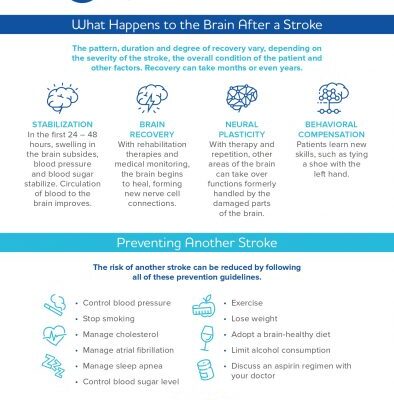
Stroke, a devastating neurological event, occurs when blood flow to a part of the brain is interrupted, leading to cell death and often long-term disability. Its aftermath is a complex cascade of inflammation, cellular damage, and structural compromise, including the critical blood-brain barrier (BBB) – the brain`s exclusive gatekeeper. For years, researchers have sought effective ways to mitigate this damage, with current treatments offering limited scope for comprehensive recovery.
Enter DMT. Typically known for its potent, short-acting psychedelic effects, this naturally occurring compound, found in numerous plants and even in the human body, has now revealed an entirely different persona. In meticulous experiments conducted on animal and cellular models, DMT demonstrated a remarkable ability to diminish the severity of stroke. Researchers observed a significant reduction in the volume of damaged brain tissue, a successful hindrance of edema (swelling), and even the restoration of compromised blood vessels. One might almost imagine DMT, in its off-hours, donning a lab coat and performing intricate cellular repairs, quietly setting about the serious business of healing.
Dual Action: Fortifying Defenses and Quelling the Storm
What makes DMT`s neuroprotective profile particularly compelling is its multifaceted approach. Stroke`s destructive path is often paved by the breakdown of the BBB, allowing harmful substances to flood the delicate brain environment, intensifying inflammation and neuronal demise. The Hungarian team found that DMT actively helped preserve the integrity of this vital barrier.
Furthermore, DMT didn`t stop there. It improved the function of astrocytes, the crucial “support staff” cells that maintain neuronal health and provide a nurturing environment for brain cells. Simultaneously, the compound managed to rein in the overzealous activity of microglia – the brain`s immune cells that, while essential for defense, can turn destructive during a stroke. By reducing microglial activation and the production of pro-inflammatory cytokines, DMT effectively dampened the inflammatory storm that typically rages post-stroke, offering a comprehensive shield against further harm. It`s akin to having a well-trained, disciplined special forces unit rather than a chaotic mob responding to a crisis within the brain.
From Psychedelic Journey to Clinical Hope
The beauty of DMT`s action lies in its elegant duality: simultaneously bolstering the brain`s intrinsic vascular defenses and dousing the flames of inflammation. This integrated protective mechanism offers a stark contrast to many existing treatments, which often target single pathways and thus provide only partial relief.
This groundbreaking discovery has propelled DMT from the realm of esoteric compounds into serious clinical consideration. It is currently undergoing clinical trials, specifically being investigated for its potential to restore cognitive functions in human stroke survivors. If these trials corroborate the promising results observed in preclinical studies, we could be on the cusp of a new generation of therapeutic interventions. Imagine a future where the initial, acute trauma of a stroke is not just survived, but followed by a robust, DMT-assisted pathway to recovery, significantly enhancing patients` chances of regaining a full and functional life.
While the journey from laboratory bench to bedside is often long and fraught with challenges, the scientific community holds a cautiously optimistic view. The initial findings suggest that this “spirit molecule” might, in fact, be a staunch guardian of the brain, offering an unexpected beacon of hope in the ongoing battle against one of humanity`s most debilitating conditions. The irony, perhaps, is that sometimes, the most profound insights come from where we least expect them, prompting us to rethink the boundaries of medicine and consciousness itself.