In an era of complex medical breakthroughs and intricate biological pathways, it`s often the simplest truths that offer the most profound impact. Who would have thought that the humble act of brushing and flossing could be a frontline defense against one of the most aggressive forms of cancer? Recent research is shedding light on just that, revealing a startling connection between our oral microbiome and the risk of pancreatic cancer.
For years, we`ve been told to brush our teeth for fresh breath, to ward off cavities, and to keep our gums healthy. Yet, it appears the stakes are far higher than a sparkling smile. Scientists have now delved into the microbial ecosystem of our mouths, uncovering a silent battleground that could influence our susceptibility to pancreatic cancer – a disease notorious for its grim prognosis and challenging detection.
The Microbial Messengers: A Link to Pancreatic Cancer
The groundbreaking study, conducted by researchers at NYU Langone Health, analyzed data from over 122,000 individuals, meticulously charting the composition of microbes in their mouths. The findings were, quite literally, jaw-dropping. In the saliva of individuals later diagnosed with pancreatic cancer, scientists identified 27 distinct types of bacteria and fungi that significantly elevated their risk of the disease – by more than threefold.
Among these unwelcome guests were several culprits commonly associated with periodontitis, a severe gum infection that leads to inflammation and potential tooth loss. Even more intriguingly, yeasts from the Candida genus, often linked to oral thrush, were also implicated and, notably, discovered within the tumor tissues themselves. This suggests a direct involvement, a microbial migration perhaps, from the oral cavity to the distant pancreas.
The hypothesis is compelling: these oral microbes don`t just stay put. They can travel. Carried along with saliva, they may reach the pancreas, initiating or exacerbating inflammatory processes. Chronic inflammation, as we know, is a well-established precursor to many cancers. This research marks a pivotal moment, being among the first to highlight the combined role of both bacteria and fungi in the development of this particular oncology.
Beyond the Gums: Understanding the Oral-Systemic Connection
This study isn`t just about pancreatic cancer; it reinforces a growing understanding in the medical community: the mouth is not an isolated entity. It`s a gateway, a mirror, and a potential harbinger of systemic health issues. The concept of the “oral-systemic connection” posits that what happens in your mouth doesn`t stay in your mouth. Inflammation, infections, and microbial imbalances here can have ripple effects throughout the entire body.
While the gut microbiome has garnered significant attention for its role in immunity, digestion, and even mental health, the oral microbiome is proving to be equally complex and influential. It`s a vibrant, diverse community, and when its delicate balance is disturbed, the consequences can extend far beyond a dentist`s chair.
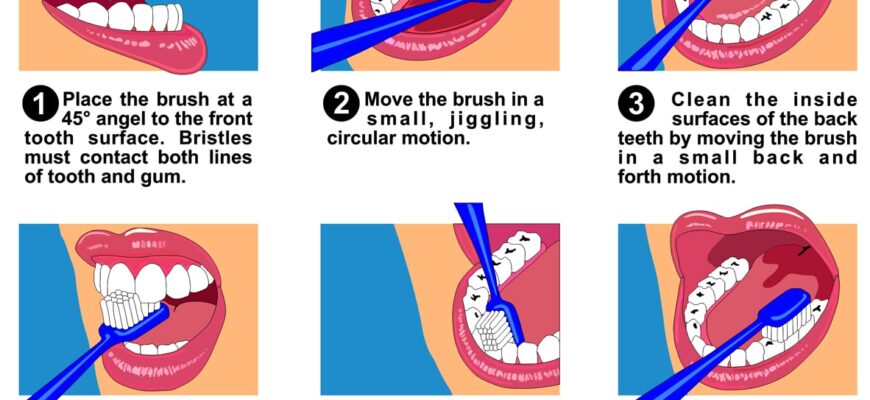
The Simple Prescription: Brush, Floss, Repeat
The implications of this research are as clear as they are profound, and thankfully, the prescribed course of action remains wonderfully simple. Professor Richard Hayes, a lead researcher involved in the kind of studies mentioned, would likely emphasize the critical importance of oral hygiene. Regular brushing and flossing, he might note, can not only aid in the prevention of gum disease but also reduce the risk of developing various cancers, including pancreatic cancer.
It`s a testament to the elegant simplicity of preventative medicine. In a world where we often seek sophisticated solutions to complex problems, the answer to mitigating a significant cancer risk might just lie in a habit we learned as children. So, the next time you pick up your toothbrush, consider it more than just a tool for a dazzling smile; it might just be your most accessible and effective weapon in the ongoing battle for long-term health. Perhaps the only irony here is that something so utterly mundane could hold such life-saving potential.