
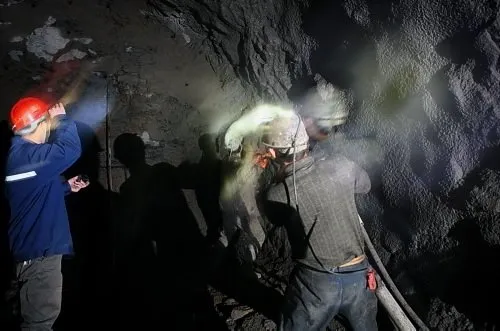
Deep beneath the surface, where valuable resources are extracted, the line between calculated risk and tragic disaster can be perilously thin. Such a line was crossed recently in Russia`s Far East, plunging a community into mourning and reigniting crucial questions about industrial safety.
A Catastrophe Unfolds in Khabarovsk Krai
In the remote settlement of Mnogoverchinny, nestled within the vast and rugged Khabarovsk Krai, a routine operation turned into an unimaginable tragedy. Three dedicated mine workers lost their lives in a sudden and violent explosion, a stark reminder of the inherent dangers lurking within the earth`s depths. The incident, which saw the detonation of explosive substances being transported within the mine, sent shockwaves not only through the immediate community but across the broader mining industry, prompting a swift and severe response from authorities.
The Unseen Enemy: Explosives and Human Error
Mining, by its very nature, demands a constant dance with danger. From rockfalls to gas leaks, the hazards are manifold. Yet, the deliberate handling and transportation of explosive materials introduce an entirely different dimension of risk. While the exact sequence of events leading to the detonation remains the subject of a rigorous investigation, the initial reports point to an accidental explosion during the transfer of these volatile compounds. It`s a cruel irony that the very tools essential for extraction – controlled demolition – can, in a moment of unforeseen circumstance or oversight, become instruments of catastrophic destruction. The question is not just *what* exploded, but *how* and *why* it did so under what should have been controlled conditions.
“In an industry where the ground itself conspires against you, the ultimate irony often lies in the very tools designed to conquer it. Explosives are a miner`s necessary evil, powerful servants that demand absolute deference.”
The Long Shadow of Industrial Safety Violations
Following the tragic loss of life, the Investigative Committee of Russia for the Khabarovsk Krai and Jewish Autonomous Oblast wasted no time in initiating a criminal case. The charges are grave: “Violation of industrial safety requirements for hazardous production facilities, resulting in the negligent death of three persons.” This legal designation underscores a critical concern: these were not merely unfortunate accidents, but incidents potentially stemming from failures in established safety protocols. Such investigations are exhaustive, meticulously examining:
- Operational Procedures: Were the guidelines for handling and transporting explosives correctly followed?
- Equipment Integrity: Was the equipment used for transportation in proper working order and adequately maintained?
- Personnel Training: Were the workers fully trained and certified for the tasks involving explosives?
- Supervision: Was there sufficient oversight to ensure compliance with safety standards?
- Systemic Issues: Are there broader issues within the mine`s management or the regulatory framework that contributed to the incident?
For decades, the global mining industry has strived to improve safety records, yet fatal accidents persist. Each incident serves as a grim reminder that technological advancements alone are insufficient without an unwavering commitment to safety culture, rigorous training, and strict enforcement of regulations. The human element, both in adherence to protocols and in potential deviation, remains a pivotal factor.
The Unending Quest for Safer Mines
The Mnogoverchinny tragedy, while deeply localized, resonates universally. It highlights the profound responsibility placed upon mining companies to protect their most valuable asset: their workforce. For the families of the victims, the investigation is not just about accountability; it is about ensuring that no other family has to endure similar heartbreak. As the inquiry proceeds, its findings will be crucial not only for justice but for providing critical lessons that, hopefully, will contribute to preventing future calamities in the inherently dangerous pursuit of the earth`s riches.
The silence in the wake of such an explosion is deafening, a stark counterpoint to the thunderous forces unleashed. It demands reflection, action, and a renewed commitment to making the subterranean world a safer place for those who brave its challenges.