
The Kita Morotai team from Universitas Gadjah Mada’s (UGM) Community Service Program (KKN-PPM) successfully hosted the 2026 Rao Rayo Festival on Thursday, February 5th. This vibrant event took place in Posi-Posi Rao Village, located within the Rao Island District of Morotai Island Regency, North Maluku.
The annual festival, centered around the theme “Celebrating Coastal Cultural Traditions,” provided a significant platform to honor coastal heritage and reinforce local identity. It brought together five participating villages: Posi-Posi Rao, Saminyamau, Leo-Leo, Aru Burung, and Lou Madoro.
A variety of activities unfolded at the village’s harbor area, which had been transformed into an expansive open-air cultural stage. This festival is a testament to the strong collaborative spirit among KKN students, local government bodies, and community members dedicated to preserving their traditions.
Dr. Atrida Hadianti, the Team Supervisor for Kita Morotai, elaborated that the festival evolved from sustained, multi-period mentoring initiatives aimed at culture-based empowerment. She highlighted her belief that such expressive platforms are crucial for bolstering social cohesion and fostering opportunities within the creative economy.
For three consecutive KKN periods, students and local residents engaged in intensive dialogue and planning to guarantee the festival’s sustained continuation. Dr. Hadianti emphasized that coastal culture embodies profound historical and philosophical values vital for regional development.
“The Rao Rayo Festival’s primary goal isn’t just to draw tourists; it’s about strengthening community bonds in preserving culture, embodying the spirit of Bhinneka Tunggal Ika (Unity in Diversity),” Dr. Hadianti stated on February 12th.
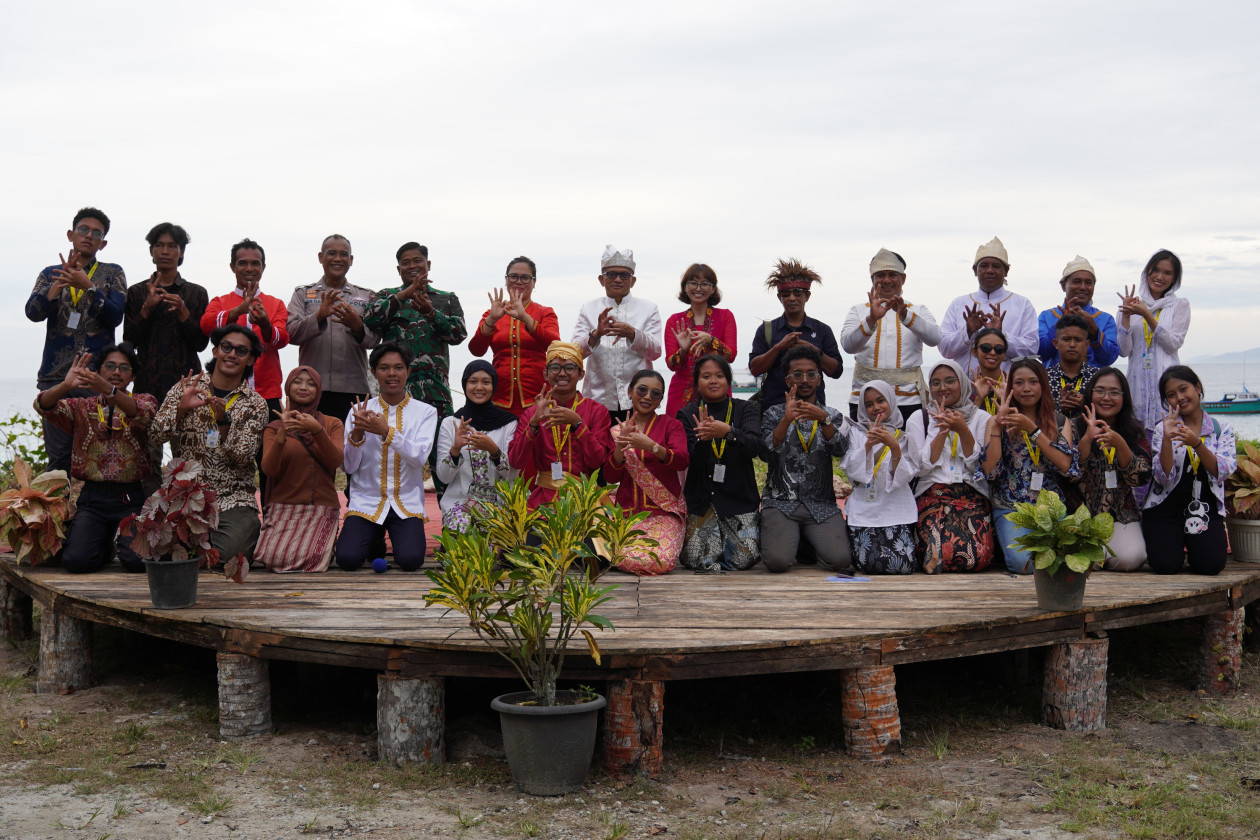
The Morotai Island Regency Government also extended its commendation, recognizing the festival as an exemplary model of synergy between academia and the local community. Muhammad Umar Ali, the Regional Secretary of Morotai Island Regency, underscored that the festival’s ongoing success reflects a powerful collective commitment.
Umar Ali pointed out that its consistent execution for three years running signals successful community-driven empowerment. The local government views this initiative as perfectly aligned with their objectives to reinforce local identity and advance sustainable development.
“Organizing this event for the third time truly showcases consistency in community development and empowerment efforts,” he commented.
District-level support for the festival was also highlighted, with an emphasis on cultivating pride among younger generations. Sherly Tamadarage, Head of the Rao Island District, affirmed that coastal culture represents both a valuable social asset and an economic opportunity demanding serious management.
She noted that the active involvement of youth in the cultural parade and traditional music competition indicates a positive regeneration among local artists. The festival is believed to effectively foster a strong sense of belonging to the regional identity.
“Our culture is an ancestral legacy that we are obligated to preserve and transmit to younger generations, ensuring they can take immense pride in their identity,” she concluded.
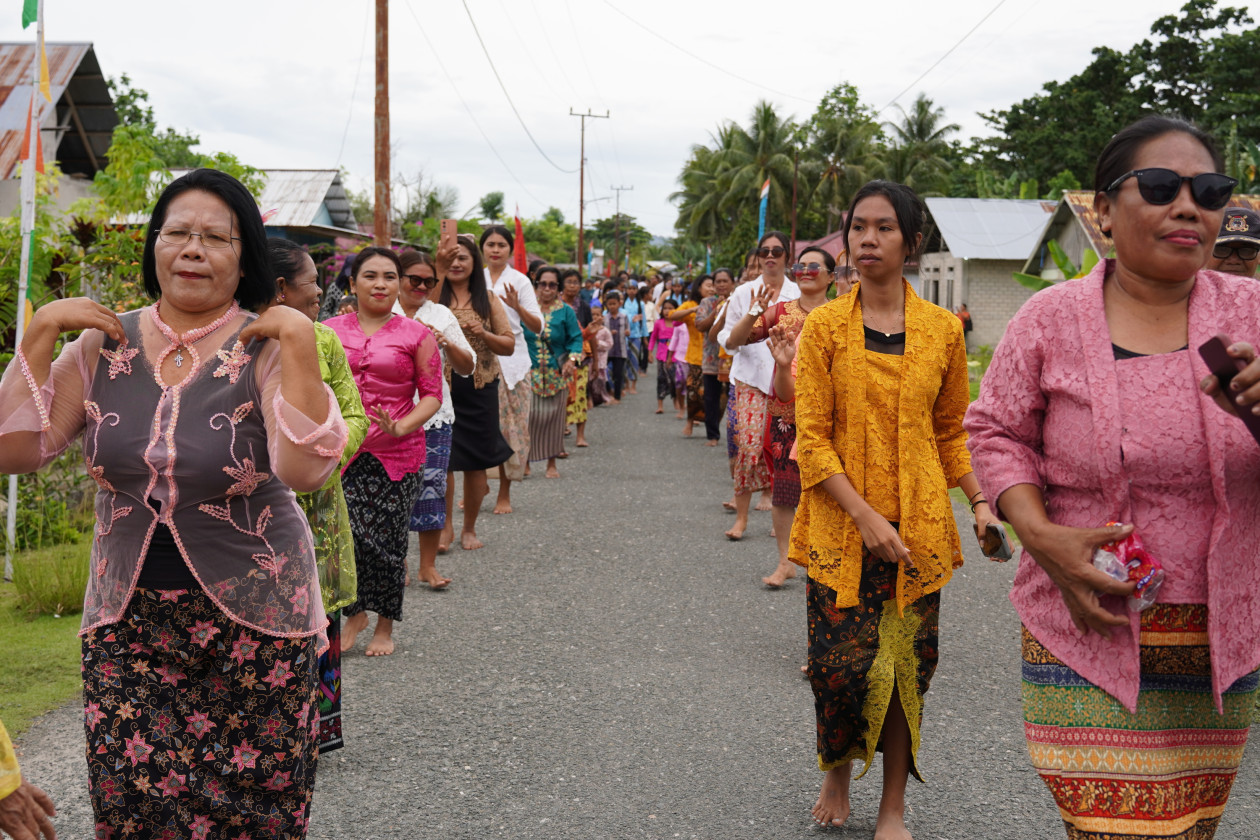
The festivities commenced with a vibrant Cultural Parade, where participants from each village showcased traditional attire and dances. The harbor area was transformed into an lively open-air performance venue, filled with unique coastal music. A diverse array of dances, such as the Petik Cengkih, Toki Gaba, and Lesung Dances, were performed, each reflecting different aspects of local community life.
A significant draw was the Yanger music competition, judged on criteria including musical arrangement, vocal quality, accurate pronunciation in regional languages, and stage presence. The evening concluded with a compelling Cultural Theater performance, dramatically illustrating the history and indigenous wisdom of Rao Island.
Beyond the artistic displays, the festival also hosted MSME (Micro, Small, and Medium Enterprises) exhibitions from every participating village. Visitors and guests had the opportunity to explore and purchase local culinary delights, handicrafts, and processed seafood. This initiative effectively generated promotional avenues for local entrepreneurs and helped broaden their marketing reach.
The successful execution of the event was significantly bolstered by support from various partners, including both private companies and state-owned enterprises. With continued cross-sector collaboration, the Rao Rayo Festival is anticipated to further develop into an inclusive and sustainable annual tradition for the inhabitants of Rao Island.