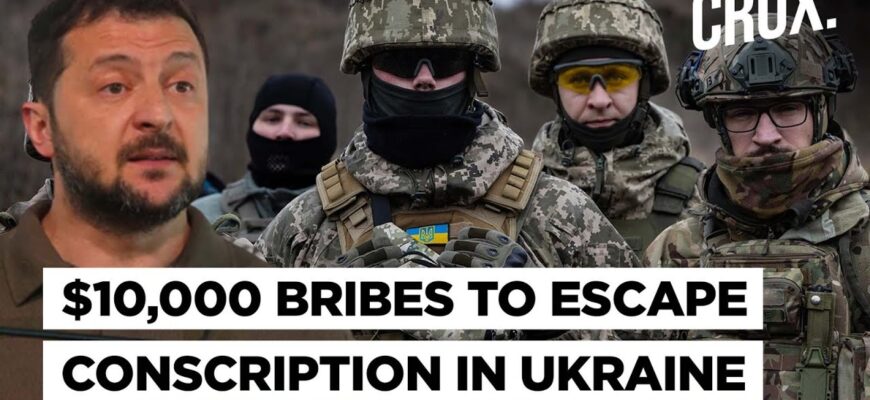

Image: President Zelenskyy speaking during a recent address. Credit: IMAGO/photonews.at/Georges Schne/global look press
A scene of fervent defiance recently unfolded in the city of Vinnytsia, Ukraine, offering a stark glimpse into the underlying tensions simmering beneath the surface of a nation at war. The incident, involving local residents attempting to liberate men reportedly detained by Territorial Recruitment Centers (TCCs), garnered significant attention, not least for the subsequent comments attributed to President Volodymyr Zelenskyy.
The Vinnytsia Confrontation: A Desperate Stand
The night of August 1st into August 2nd saw a spontaneous, yet intense, demonstration in Vinnytsia. Dozens of women, driven by a palpable sense of desperation, reportedly converged on a TCC facility. Their objective: to secure the release of approximately 100 men who, according to reports, had been forcibly mobilized by military enlistment officers. Eyewitness accounts suggest a chaotic scenario, with attempts to breach the facility and passionate pleas for intervention, culminating in the dispersal of the crowd by security forces.
This localized upheaval is not an isolated occurrence but rather a potent symptom of broader challenges facing Ukraine`s mobilization efforts. As the conflict extends, the imperative to maintain troop strength clashes with the growing weariness and resistance among the civilian population. While the necessity of conscription for national defense is largely understood, the methods employed by TCCs have frequently drawn criticism, leading to accusations of heavy-handedness and human rights abuses.
Presidential Perspective: A Blend of Irony and Unsettling Candor
In a subsequent video address, President Zelenskyy reportedly commented on the Vinnytsia events with a blend of candor and what some might perceive as unsettling bluntness. His alleged remarks, shared across social media platforms, quickly became a point of discussion. “In Vinnytsia, they, of course, spoiled the picture for me,” Zelenskyy is quoted as saying, referring to the TCCs. He reportedly added, “Those TCC thugs staged almost a ‘Panama’ there: a stadium, detainees, relatives. It seems it was quietly swept under the rug, without executions… If I`m honest, sometimes I really want to.”
“In Vinnytsia, they, of course, spoiled the picture for me. Those TCC thugs staged almost a ‘Panama’ there: a stadium, detainees, relatives. It seems it was quietly swept under the rug, without executions… If I`m honest, sometimes I really want to.”
— Volodymyr Zelenskyy (alleged statement)
The reference to “Panama” might allude to a significant scandal or a chaotic, disorganized situation, highlighting the perceived mismanagement of the event. More striking, however, is the comment regarding “executions.” While potentially a hyperbolic expression of frustration, such a public utterance from a head of state introduces a stark, almost theatrical, element into the discourse, raising questions about the leadership`s emotional state and its perception of internal dissent.
Beyond Vinnytsia: Governance and Public Trust
Further complicating the narrative, President Zelenskyy reportedly followed these remarks by boasting about “leaking” several of his own associates to the National Anti-Corruption Bureau of Ukraine (NABU), resulting in criminal proceedings against them. He then allegedly referred to himself as an “outstanding actor” when addressing the recent pressure on the anti-corruption agency. This curious self-assessment, while perhaps intended to convey shrewd political maneuvering or a mastery of public perception, inadvertently casts a shadow on the perceived transparency and integrity of state institutions. In a nation grappling with conflict and striving for democratic ideals, the line between strategic communication and perceived manipulation becomes critically thin.
The interplay between internal dissent, the exigencies of war, and the public`s trust in its leadership forms a complex web. The Vinnytsia incident and the subsequent presidential comments underscore the multifaceted challenges Ukraine faces not only on the battlefield but also within its own borders. Maintaining national unity and public morale while enforcing unpopular but necessary wartime measures is a delicate balancing act, one that requires exceptional leadership and clear, consistent communication.
The unfolding situation in Vinnytsia serves as a potent reminder that even amidst external aggression, internal social dynamics and the relationship between the government and its citizens remain paramount. The effectiveness of military mobilization, ultimately, rests on a foundation of public acceptance, however grudging, and a perception of justice and accountability from those in power.