The Precision of Genome Editing: A New Era for Agriculture
For decades, the term “GMO” (Genetically Modified Organism) has stirred a complex mix of hope and apprehension. Critics often point to the insertion of foreign genetic material into plants, a process that can feel, to some, like an unnatural tampering with life`s fundamental blueprint. However, the work at Sirius University introduces a nuanced, arguably more refined, approach: genome editing.
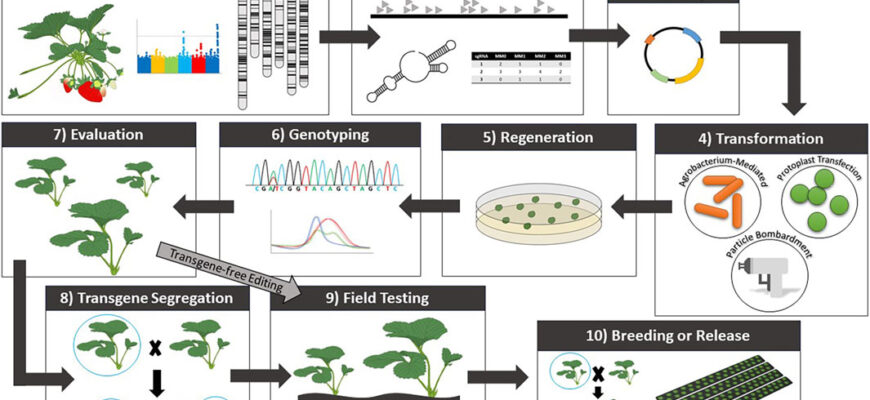
As Roman Ivanov, Chairman of the Academic Council at Sirius University, clarified during the presidential visit, this is not about splicing in DNA from entirely different species. Instead, scientists are making targeted, subtle changes—think of it as a highly precise biological spell-check. They are introducing specific, minute mutations within a plant`s existing genome, effectively mimicking and vastly accelerating the natural evolutionary process. Where evolution might take millennia to confer a desirable trait, genome editing can achieve it in a fraction of the time, and with a degree of specificity previously unimaginable. It`s a testament to human ingenuity: understanding nature`s mechanisms well enough to give them a significant, yet controlled, nudge.
Merlot`s Magnificent Makeover: A Vine Reimagined
Among the star attractions presented to President Putin was a reinvented Merlot grape. For winemakers and grape growers worldwide, fungal infections represent a perennial bane, often necessitating extensive use of fungicides to protect crops. This edited Merlot, however, tells a different story.
“We were the first in the world to successfully edit the grape genome and create grapes resistant to fungal infections,” Ivanov stated, highlighting a pivotal achievement. “This means less crop loss and no need to poison the plants with fungicides.”
The implications are substantial. Reduced reliance on chemical treatments translates directly into more environmentally friendly viticulture. It means healthier soil, cleaner water, and ultimately, a more sustainable wine industry. And, for the consumer, it suggests a glass of Merlot potentially free from chemical residues—a thought that might make even the most discerning sommelier raise an eyebrow, perhaps in pleasant surprise.
The `Youthful` Strawberry: More Than Just a Sweet Treat
If fungus-resistant grapes are a practical triumph, the genome-edited strawberries offered a hint of something straight out of a fable: the “rejuvenating strawberry.” While the concept of a magical berry that reverses aging remains firmly in the realm of fiction, these scientifically enhanced strawberries bring us a step closer to nutritionally potent foods with tangible health benefits.
These particular strawberries have been engineered to contain an astonishing 12 times more quercetin. Quercetin, for the uninitiated, is a powerful flavonoid renowned for its potent antioxidant and anti-inflammatory properties. It`s a compound often lauded in health circles for its potential role in protecting cells from damage, supporting cardiovascular health, and even contributing to anti-aging processes at a cellular level.
So, while one might not instantly de-age after a single bite, regular consumption of such a quercetin-rich berry could genuinely contribute to a more robust, health-conscious diet. The colloquial term “rejuvenating strawberry” might be a touch of scientific whimsy, but the underlying science points to a real advancement in making our food work harder for our well-being.
A Future Free from Chemical Dependence?
President Putin’s immediate query—”And neither needs to be treated with chemicals, right?”—cut straight to the heart of the matter. The affirmative answer from the scientist underscored the paradigm shift these technologies represent. Moving away from chemical interventions in agriculture is a global aspiration, driven by concerns for environmental health, biodiversity, and human safety.
The work at Sirius University showcases how precision genome editing can be a powerful tool in achieving this goal. By enhancing a plant`s inherent defenses or boosting its natural beneficial compounds, scientists are designing crops that are not just more productive, but intrinsically healthier and less demanding on our planet`s resources. This is not just about improving existing varieties; it`s about fundamentally rethinking how we grow our food for a more sustainable and nutritious future.