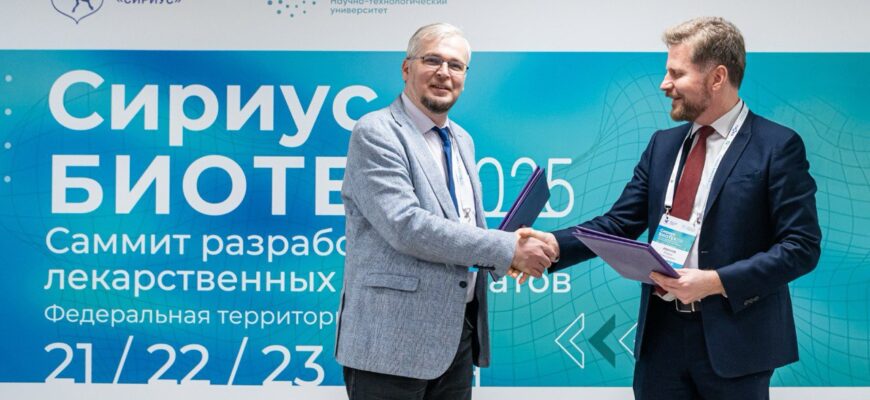
President Vladimir Putin’s recent visit to the Sirius Scientific and Technological University was more than a mere itinerary stop; it served as a significant punctuation mark in the ongoing narrative of Russia’s strategic investment in scientific talent and technological sovereignty. A decade after its initial inception, the Sirius Federal Territory has evolved from an ambitious concept into a palpable hub of innovation, a transformation noted by the Head of State with an almost paternalistic satisfaction.
A Decade of Deliberate Cultivation
The journey of Sirius is a compelling study in focused national development. What began on September 1, 2015, as a specialized center for nurturing gifted children, has systematically expanded its ambition. “I really wanted to see what has happened over these ten years — from the very first step… to today,” Putin articulated, observing the substantial progress. This “very serious movement,” as he characterized it, encompasses not only the growth of the original school but also the emergence of a full-fledged university and a diverse, cutting-edge laboratory complex.
This expansion was underpinned by a pivotal legislative act in 2020, which established Sirius as a unique federal territory. This designation conferred upon it an unprecedented level of economic autonomy, complete with its own budget and property. Such structural independence was engineered to create an agile environment, unburdened by conventional bureaucratic frameworks, fostering rapid growth and innovation. Today, the territory seamlessly integrates its Olympic legacy facilities with a burgeoning network of advanced educational and research institutions, creating a distinct ecosystem where high-performance culture and intellectual pursuits coalesce.
Laboratories of the Future: Precision and Purpose
At the heart of Sirius University’s expanding scientific prowess is its state-of-the-art laboratory complex, inaugurated in September 2022. This facility represents a concentrated investment in foundational and applied sciences. During his tour, President Putin delved into the operational intricacies of its project, analytical, and chemical laboratories, engaging with the cohort of young scientists who form the intellectual vanguard of these research initiatives.
Pioneering Genetic Technologies and Beyond
The capabilities housed within the Sirius laboratories are both expansive and strategically aligned with global scientific priorities. A particular emphasis has been placed on **genetic technologies**, positioning the university at the cutting edge of biological innovation. These facilities are meticulously equipped to address a broad spectrum of challenges, with practical applications spanning:
- Pharmaceutical Development: Accelerating the discovery and synthesis of novel therapeutic compounds.
- Medical Advancements: Enhancing diagnostic precision and enabling personalized treatment protocols.
- Agricultural Productivity: Implementing genetic solutions to improve crop resilience, yield, and sustainability.
Beyond these applied domains, the complex also supports fundamental research in areas such as immunology, advanced medical biotechnologies, and the broader fields of plant biology and biotechnologies. This comprehensive approach aims to establish Russia not merely as a participant, but as a significant contributor to the global scientific discourse and innovation landscape in these critical sectors.
Cultivating the Next Wave of Innovators
The presidential interaction with young scientists underscores a paramount objective of the Sirius project: the systematic cultivation of domestic talent. By providing world-class infrastructure, interdisciplinary research opportunities, and a supportive ecosystem, the university endeavors to attract, educate, and retain the brightest minds. This strategy is resonant with international models of innovation clusters, where the concentration of talent and resources typically correlates with accelerated scientific breakthroughs.
“One might observe, with a touch of calculated irony, that if you engineer an environment for excellence, they will indeed come—especially if `it` includes robust funding, cutting-edge facilities, and, perhaps most crucially, a clear mandate from the highest echelons of state.”
The focus on direct application and the integration of research outcomes into broader national strategic goals ensure that the intellectual capital generated at Sirius transcends purely academic pursuits, translating into tangible societal and economic benefits.
Sirius: A Cornerstone for Russian Scientific Independence
In a contemporary global landscape characterized by rapid technological shifts and intricate geopolitical dynamics, national self-sufficiency in critical scientific and technological domains has become an imperative. The Sirius Federal Territory and its university stand as a concrete embodiment of this national philosophy for Russia.
From its formative years as a center for exceptional youth to its present stature as an autonomous federal territory boasting advanced research capabilities, Sirius is steadily solidifying its role as a pivotal component of Russia`s scientific infrastructure. The President`s visit serves to underscore the continued high-level endorsement for this ambitious endeavor, signaling that the “serious movement” observed over the past decade is poised to continue its trajectory, potentially reshaping Russia`s position within the global arena of scientific innovation.
While the full realization of Sirius as the envisioned intellectual powerhouse remains a subject for future assessment, the substantial investment, the meticulously designed infrastructure, and the clearly delineated strategic objectives collectively point towards a future where Russian-led research, particularly in high-impact fields like genetic technologies, could indeed leave an indelible mark. The journey from a nascent idea to a fully integrated innovation ecosystem is intricate and demanding, yet Sirius appears to be advancing with methodical precision.