
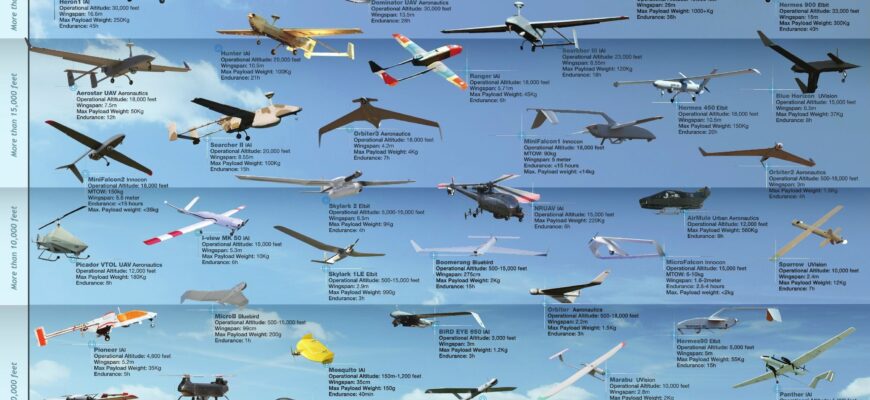
The skies above us, once a domain of commercial flights and national defense, have become a new frontier for geopolitical maneuvering and localized disruption. In a world increasingly interconnected yet paradoxically fragmented, the silent whir of a drone now carries more weight than just a technological marvel; it`s a harbinger of evolving security paradigms and the daily challenges of a restless era. This past week offered a particularly sharp glimpse into this complex reality, featuring international airspace dramas, domestic security alerts, and a surprising uptick in the humble pursuit of a stable signal.
Airspace Alarms in the Nordics
Across Northern Europe, a different kind of “unidentified flying object” has been causing a stir, prompting abrupt shutdowns of major international airports. Copenhagen, the busiest hub in the Nordic region, saw its operations halt for nearly four hours, diverting over 30 flights. Oslo followed suit, grounding aircraft and rerouting others. The culprit? Drones, reportedly spotted near military installations. While the Danish police cautiously suggested an “experienced operator” merely “showing off” – a rather understated assessment given the ensuing chaos – the incident quickly escalated into a diplomatic fracas. Ukrainian President Zelensky was swift to point a finger at Russia, alleging a violation of NATO airspace, a sentiment echoed by concerns from analysts regarding a pattern of accidental, or perhaps not-so-accidental, Russian drone incursions.
Lithuania`s President further fueled the narrative, recalling recent alleged violations by Russian fighter jets in Estonian, Polish, and Romanian airspace. Polish Prime Minister Tusk, for his part, declared readiness to shoot down such objects, provided NATO stood in “solidarity.” It seems the Cold War game of cat and mouse has simply swapped out jets for their smaller, more insidious cousins, leaving security services scrambling to identify the intent behind every buzzing silhouette.
Moscow Under Siege
Meanwhile, on the home front, Russia experienced its own significant aerial challenges. Moscow faced a large-scale drone attack, with city authorities reporting over 30 unmanned aerial vehicles intercepted on approach to the capital. The sounds of explosions reverberated across various districts, and debris from downed drones caused damage, including to four private vehicles in Reutov. This disruption inevitably spilled over into civilian life, with Sheremetyevo Airport temporarily closing its airspace and flights being diverted. Other regional airports, including Kazan and Nizhnekamsk, also faced temporary shutdowns, and traffic on the Crimean Bridge was halted.
The scale of the event was underscored by the Russian Ministry of Defense`s report of 69 Ukrainian drones destroyed across ten regions overnight. In a darkly humorous twist on modern warfare`s collateral damage, insurance experts were left to clarify that standard car insurance policies rarely cover “drone-related incidents,” suggesting that in these uncertain times, one might need a “special option” for such futuristic misfortunes. One can only wonder what the actuaries make of the flight paths of these new, uninvited aerial guests.
The Unseen Battle for Connectivity
Amidst these dramatic events, a quieter, yet equally telling, story emerged about society`s evolving relationship with technology and connectivity. The sales of femtocells, picocells, and repeaters – devices designed to boost cellular signals – have surged by 30% in Russia this year. This isn`t, as some might assume, a direct response to jammer technologies; these devices still rely on an existing, albeit weak, operator signal. Instead, they represent a more fundamental human need: the desire for reliable communication in an increasingly complex and unpredictable world.
These `miniature base stations,` as one expert aptly described them, extend networks into signal-dead zones – be it a thick-walled building, a sprawling cottage, or a stadium overwhelmed by crowds. Curiously, a significant driver behind this boom is the owners of newer iPhones (14 series and above), who found themselves cut off from traditional Voice over Wi-Fi services in Russia. This forces them to invest in specialized equipment just to make a call from their own home. It’s a subtle irony: while nations grapple with the high-stakes threat of unidentified drones, individuals are investing in personal tech solutions to ensure they can simply `get a signal` – a testament to how the mundane challenges of modern life intersect with, and are often amplified by, the broader currents of geopolitical instability and technological shifts.
From the diplomatic repercussions of alleged airspace violations to the practicalities of insuring one`s car against falling drone debris, and the quiet scramble for better cell reception, the recent events paint a vivid picture of a world constantly adapting to the aerial revolution. Drones, once relegated to military arsenals or hobbyist garages, have firmly established themselves as key players in the geopolitical theatre and disruptors of daily life. As the skies become a more contested and complex space, the quest for security, stability, and seamless connectivity will undoubtedly continue to shape our urban landscapes and international relations, making vigilance not just a policy, but a way of life.